How Football Supports and Unites Communities in South Africa
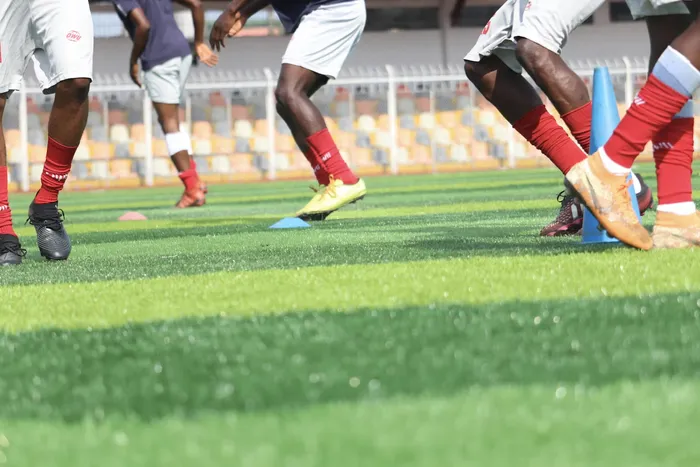
Football: The Unifying Force in South African Communities
Image: Supplied
Saturday afternoon in any township or small town tells the story. A third-division match kicks off on a field ringed by kota stalls, car guards, and grandmothers in camp chairs. The crowd roars on par with many Premier Soccer League games. This is where South African football truly lives, not only in the bright lights of Orlando Stadium, but in thousands of small fields where community and identity are scored one goal at a time. On any given weekend, millions of South Africans follow their local derby and the Premier League with equal passion, many keeping one eye on live scores after a quick betway login, a small but growing loop that sends money back into the professional game and, indirectly, the grassroots that feed it.
The Local Club – More Than Just a Team
Every neighbourhood has “our club”: The Bulls in Pretoria, Young Stars in Khayelitsha. These teams are community anchors. Teenage boys head there after school when options feel scarce. Kit is washed by players’ mothers, transport comes from a donated kombi, and the coach is often a former player who never quite made the top flight but now gives everything back. The club becomes family, a place where young people find structure and belonging.
The Pyramid That Actually Works (Sometimes)
A clear development pyramid turns local talent into professional prospects. A scout's discovery at seventeen can begin a journey through the ABC Motsepe League and the Motsepe Foundation Championship to the PSL. The careers of Pitso Mosimane, Benni McCarthy, and others trace this route. The structure offers more than stardom; it provides discipline, connections, and life experience for all who enter. While flawed, this system remains the essential engine for dreams nationwide.
Derby Day – When the Whole Neighbourhood Shuts Down
Local rivalries turn streets into festivals. Braais line the pavement, kids sell iced water, and old men argue about results from twenty years ago. Win or lose, the walk home together matters most, singing the same songs fathers taught sons. These days belong to everyone, a shared heartbeat in places where little else feels certain.
The Money Loop Almost Nobody Talks About
Lower tiers survive on gate takings, raffles, and small sponsorships. Licensed betting platforms add another stream. Fans who grew up on these fields now place modest wagers on bigger leagues, and a portion of that revenue flows back through taxes and partnerships to support professional structures. Those structures, in turn, fund development programs that feed the grassroots. The circle stays local, helping buy boots, pay referees, and keep fields playable.
Football as Therapy, Football as Identity
After load-shedding, retrenchments, or another week of tough news, Saturday at three p.m. remains sacred. Coloured, Zulu, Xhosa, Afrikaans, Sotho, everyone speaks football. For ninety minutes, the country’s fault lines fade under one scarf. Girls learn their strength, boys learn respect, and teenagers stay off the streets because match day demands they show up ready. The game offers therapy and identity when other systems fall short.
The Work That Still Needs Doing
Fields flood after rain, kit disappears, transport money runs out mid-season, and injuries can end dreams without medical support. Women’s football at grassroots level grows but lacks resources. Yet every season new clubs register, new fields get marked, and new players step up. Volunteers keep showing up because they know what the game gave them.
The Beautiful Game Is Still Beautiful Here
A child in a too-big Chiefs jersey, juggling a flat ball long after the match. This scene is the essence of football in South Africa: a game that builds hope, family, and meaning out of thin air. Its future is secure as long as this moment repeats in every community, breathing life into them with each goal and every shared Saturday.