CAF president Patrice Motsepe pledges reforms after AFCON 2025 final 'stain'
Africa Cup of Nations
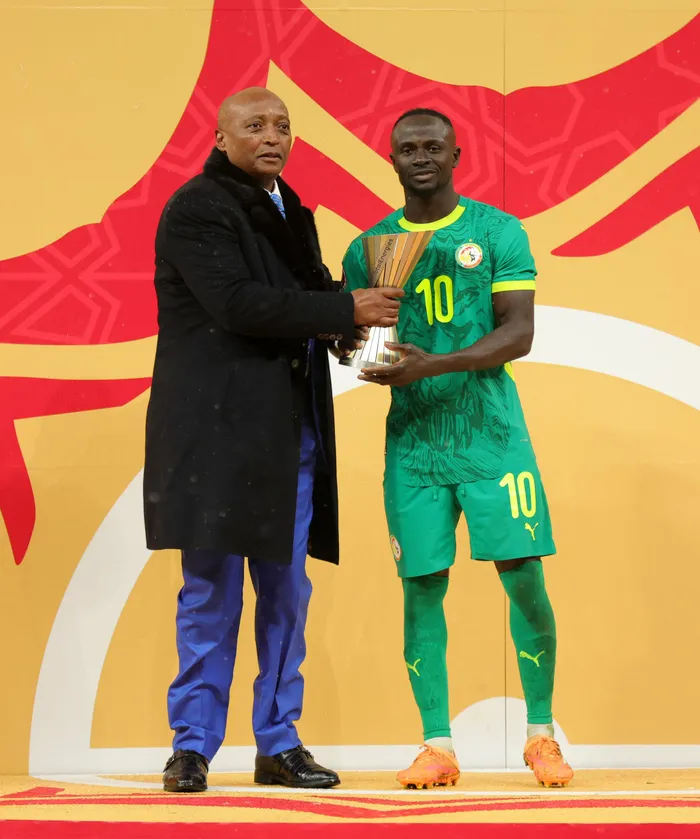
CAF President Patrice Motsepe isn't holding back following the AFCON 2025 final. With a focus on tougher sanctions and world-class officiating, the roadmap for restoring the continent's footballing reputation has been set. Photo: Backpagepix
Image: Backpagepix
CAF president Patrice Motsepe has pledged to enhance regulatory frameworks and restore the integrity of football on the continent following the turbulence that surfaced during the Africa Cup of Nations 2025 final in Morocco.
In a resolute response, Motsepe said the disconcerting incidents during the final left a stain on what should have been a celebration of African football talent.
“I am deeply disappointed by the unacceptable events that unfolded during the AFCON final,” Motsepe expressed, resonating with the sentiments of CAF’s executive committee and the leaders of their 54 member associations.
Motsepe’s emphasis on accountability and reform reflects a collective resolve to uphold the sport’s integrity and global reputation. The president's comments follow punitive measures by the CAF disciplinary board, which he respected but deemed insufficient to address the challenges at hand.
In light of recent events, he has convened an urgent meeting of the CAF executive committee, whose mandate is to review and strengthen the organisation’s disciplinary regulations.
“Our goal is to empower CAF’s judicial structures to enforce strong, deterrent sanctions against any conduct that undermines the reputation and credibility of African football,” explained Motsepe.
This urgent pledge underscores a necessary shift towards a more stringent approach in maintaining trust among stakeholders and fans alike. Beyond addressing misconduct, Motsepe has highlighted progress in improving officiating standards across the continent.
“Over the past few years, we have invested heavily in improving the quality, independence, and expertise of African referees, VAR operators, and match commissioners,” he noted. “We will continue to allocate resources to ensure they are as good as the very best in the world.”
A central element of his reform efforts has involved establishing an independent and impartial Referees Committee. By nominating committee members from all the associations alongside Africa’s most esteemed referees, Motsepe aims to elevate the global reputation of African football officials and secure recognition for their fairness and professionalism.
Concluding his remarks with a vision of optimism, Motsepe stated: “With the reforms and measures we are introducing, I am certain African football will continue to earn respect, admiration, and its rightful place among the best in the world.”
This commitment signals hope not only for overcoming recent setbacks but for fostering a thriving environment for growth and evolution in African football.