When expectations fall short: five lessons from Bafana Bafana’s Afcon campaign
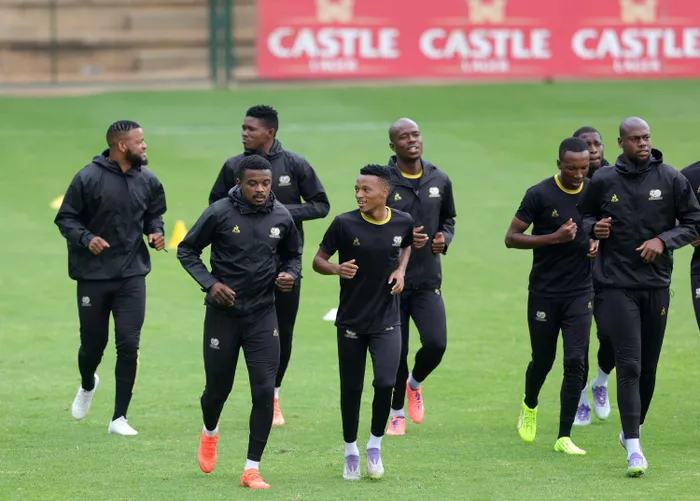
Bafana Bafana returned home to a muted reception after their Afcon Round of 16 exit, but the campaign offered clear lessons on consistency, depth, and preparation as the team looks ahead.
Image: BackpagePix / File
WHEN Bafana Bafana returned home after their Afcon campaign ended in the Round of 16, the reception was noticeably muted. There were no crowds at the airport, no celebratory noise, just a quiet arrival that said plenty on its own. After a 2–1 defeat to Cameroon, in a game where they had plenty of scoring opportunities, many supporters clearly expected more, and the silence felt like a verdict.
That disappointment is understandable. Football supporters invest emotionally, and when results fall short, frustration often follows. But international football is rarely a straight line of progress, and tournaments tend to reveal as much about what still needs work as what has improved. This Afcon was no different, and oddly enough, that may be a good thing.
Rather than turning away at moments like these, there is value in staying engaged. Support does not mean ignoring shortcomings. It means recognising where a team is, what it has shown, and how it can realistically move forward. From this Afcon exit, here are five clear lessons Bafana Bafana can take into their next phase, including preparation for the FIFA World Cup later this year.
1. Turning chances into goals
South Africa created opportunities during the tournament but did not convert enough of them. Against Cameroon, that imbalance proved decisive, with limited chances punished at the other end.
At the highest level, games are often settled by small moments. Improving composure in front of goal, decision-making in the final third, and confidence when chances arrive will be crucial. These are areas that can be sharpened through focused training rather than wholesale changes.
2. Sustaining performance across tournaments
Bafana Bafana won two group-stage matches at Afcon, beating Angola 2–1 and Zimbabwe 3–2, a notable step forward and the first time since 2000 that the team achieved two group-stage wins at the tournament.
However, narrow defeats to Egypt and Cameroon showed that sustaining the same level across every match remains a challenge. Tournament football demands consistency, not just strong individual performances. Building mental resilience and tactical discipline over the course of a competition will be key to converting progress into deeper runs.
3. Strengthening squad depth
Afcon also highlighted areas where depth and balance can be improved. Periods of fatigue and pressure exposed gaps, particularly when the team needed fresh energy or different options during matches.
Developing a broader pool of players who can step in without disrupting structure will help reduce reliance on a small core. Rotation, competition for places, and long-term squad planning all play a role in ensuring the team can cope with the physical and mental demands of major tournaments.
4. Managing knockout moments
Knockout football is a different challenge to group stages. It requires control, patience, and an ability to manage momentum swings within a match.
Against Cameroon, Bafana Bafana struggled to dictate tempo for long periods. Learning when to slow the game down, when to press, and how to respond to pressure situations will be important lessons going forward. These are skills that often come with experience, particularly at international level.
5. Preparing for global opposition
While recent Afcon wins show progress within the continent, the World Cup presents a different test entirely. Teams from Europe, South America, and Asia bring contrasting styles, tactical demands, and game rhythms.
Preparation needs to reflect that reality. Exposure to varied opposition, both tactically and physically, will help players adapt more quickly when the stakes are highest. Growth at international level often comes from stepping outside familiar patterns.
In the aftermath: Why support still matters
None of this erases the disappointment of an early exit, and supporters are entitled to feel let down. But progress in international football is rarely built in moments of celebration alone. It often develops in quieter phases, when teams reflect, adjust, and rebuild confidence.
Support during these periods does not mean lowering standards, rather, it means recognising that improvement is a process, and not a one time event. Players and staff still respond to belief, even when results have not gone their way.
As Bafana Bafana look ahead to the next challenge, staying connected as supporters, even in frustration, can help create the stability and confidence the team needs to take the next step.