AFCON exit highlights what Bafana Bafana missed without Themba Zwane
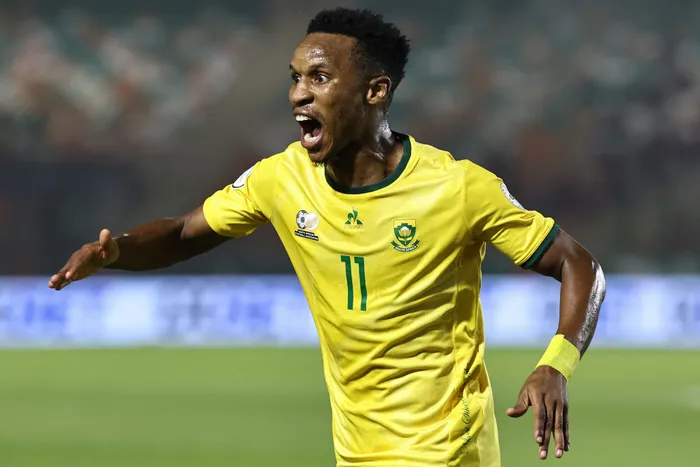
Bafana Bafana missed Themba Zwane's influence at the Africa Cup of Nations.
Image: Fadel Senna/AFP
Hugo Broos’ Bafana Bafana have been dumped out of the Africa Cup of Nations after a painful 2-1 loss to Cameroon on Sunday evening.
The result was disappointing as many in South Africa had expected the team to go one better after coming back home with the bronze medal last time out, especially after an impressive World Cup qualification campaign and a 27-match unbeaten run.
But in Morocco, they never got going. In their 2-1 win over Angola, narrow 1-0 loss to Egypt, and 3-2 victory against Zimbabwe, Bafana didn’t show the sort of confidence and dominance seen during qualifying. They often looked indecisive and struggled to get on top of teams.
Against a Cameroon side that failed to qualify for the World Cup in North America, they should have played with more assurance but squandered their goalscoring chances. They dominated possession and created more chances, yet still found themselves on the losing side.
Perhaps Broos will be thinking that the likes of Themba Zwane and Iqraam Rayners should have been on the plane to Morocco. Without Mshishi, Bafana were missing a rare blend of composure, creativity, and football intelligence, particularly in the spaces between midfield and attack where AFCON games are often decided.
His absence meant possession too often moved sideways rather than through opponents, attacks became predictable and overly reliant on wide areas, and there was no natural central figure to unlock tight defences. The team also lacked Zwane’s ability to control tempo in slow, physical matches.
Without Mshishi, Bafana might have been disciplined and functional, but short of imagination, control, and tactical flexibility when it mattered most.
Rayners could have provided a sharper, more disruptive presence at the top of the attack, particularly in the round-of-16 loss to Cameroon where Lyle Foster’s industry and link play were not enough to unsettle a compact, physical defence.
Rayners offers more variety in movement, attacks space more aggressively, presses with greater intent, and threatens the goal more directly. While Evidence Makgopa’s late goal after coming on showed that Cameroon could be hurt with a different striker profile, Rayners would have provided that edge earlier and more consistently.
For Broos, the exit will sting because it felt avoidable. Bafana arrived in Morocco with momentum, belief, and a growing reputation, yet left having failed to impose themselves when it mattered most. AFCON is unforgiving, and fine margins decide progress, but this campaign will be remembered as a missed opportunity – a reminder that cohesion and discipline alone are not enough at this level.
With the World Cup looming in June, South Africa must now make braver selection calls and show greater attacking ambition, because momentum built in qualifying will count for little if the same shortcomings resurface on the biggest stage.
IOL Sport