No time to score an own goal after Bafana coach Broos’ remarks spark outrage ahead of AFCON
Africa Cup of Nations 2025
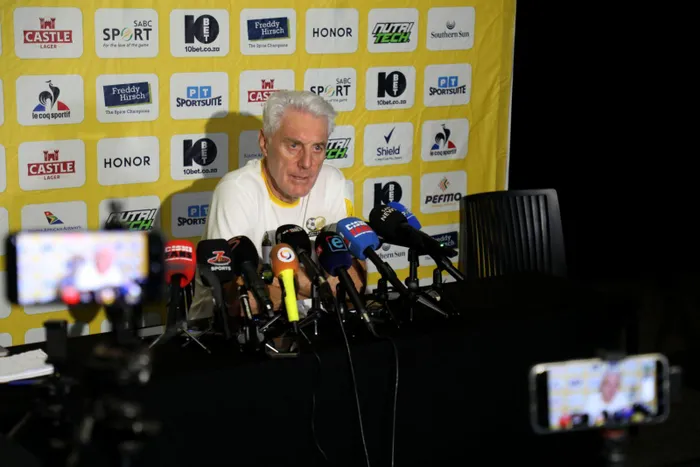
Hugo Broos is facing scrutiny ahead of AFCON 2026 as Bafana Bafana prepare to focus on unity and performance despite controversy. Photo: Oupa Mokoena Independent Newspapers
Image: Oupa Mokoena Independent Newspapers
COMMENT
On the eve of Bafana Bafana’s departure for the Africa Cup of Nations (AFCON) 2026 in Morocco, South Africa is grappling with the fallout from controversial remarks attributed to head coach Hugo Broos.
The Belgian mentor has come under fire for statements critics have labelled both racist and sexist, relating to the tardy arrival of Mbekezeli Mbokazi at Bafana’s AFCON camp last week. The remarks sparked outrage and urgent discussions among fans, players and football officials alike.
Broos said at a press conference: "If you receive a call-up to play for the national team in AFCON and the World Cup, if your club coach gives you a few days more off, if you are somebody with a good attitude, you don’t even want those two days.
"You are here on Monday like the other players. I will have a chat with him after training. And I can assure you, he’s a black guy, but he will come out of my room as a white guy."
Another comment that inflamed debate was Broos’s reference to Mbokazi’s agent, who assisted the player with a move to the MLS. Broos reportedly said: "that little woman who thinks she knows football."
In this tense climate, the last thing the team needs is for South African society to score an own goal. The coaching staff must ensure that the accusations, which ignited a firestorm, do not permeate team dynamics.
Over the years, South African sport has occasionally sabotaged itself when national teams were within reach of global glory. Government interference in team selection has deprived cricket and rugby sides of success on the biggest international stages.
The backdrop to Broos’s comments has dominated public conversation, overshadowing the upcoming tournament. Having emerged as a prominent figure following Bafana Bafana’s surprising bronze medal at the 2023 continental showpiece, Broos has a duty to represent not only his tactical capabilities but also the nation’s values and dignity.
SAFA has moved quickly to reiterate its commitment to inclusivity and respect within the sport. The association emphasised that the matter is being treated with the gravitas it deserves, suggesting there could be ramifications if the allegations hold.
"SAFA maintains that Broos’s strongly worded comments, aimed purely at football matters, were misinterpreted and later amplified into unfounded character accusations," the association said over the weekend.
Public opinion remains divided.
Some supporters have expressed disappointment, while others feel attention should remain solely on the game. This scenario is reminiscent of turbulent times in South African football, when political and social factors often influenced the sport.
Some former national players have called for unity and focus, urging the squad to channel any frustration into a cohesive and determined performance on the pitch.
With a critical warm-up match scheduled for Tuesday, preparation is paramount. The players must transcend the chaos of the external environment and focus on improving skills and cohesion. This is an opportunity for Bafana Bafana to demonstrate that football can serve both as a platform for social change and a source of national pride.
With AFCON approaching, the period for self-reflection has ended. Broos and his team need to put controversy aside and concentrate on attaining success on the continental stage.
If the clouds of controversy continue to hover above Bafana Bafana, SAFA will need more than just an “icebreaker” to restore focus and morale. Recall that, not long ago, Parliament called for the head of manager Vincent Tseka over a mishap with Teboho Mokoena’s yellow cards — a situation that was ultimately resolved in farcical fashion with an explanation involving ice.
This time, however, instead of a simple icebreaker, SAFA needs to ignite a firecracker that matches the vibrant spirit of the season.