Ethics overhaul: South African leaders must declare all gifts above R2,500
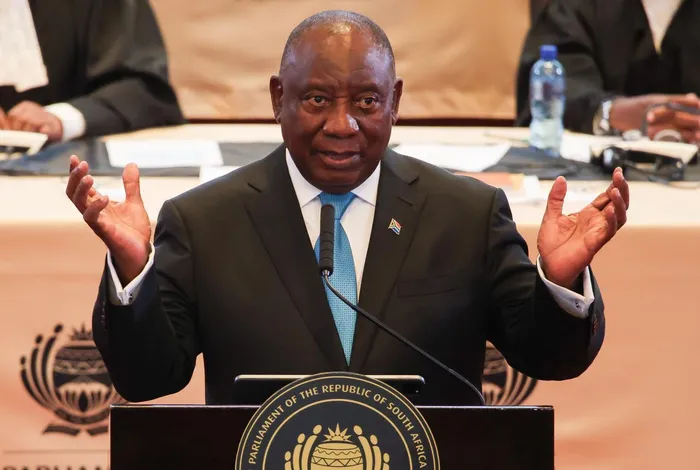
President Cyril Ramaphosa published a draft proclamation aimed to amend the Executive Ethics Code in July 2025.
Image: GCIS
In a significant move to strengthen financial transparency and ethical governance among South African political leaders, a draft presidential proclamation under the 1998 Executive Members’ Ethics Act is paving the way for stricter disclosure requirements.
Ministers, their deputies, and MECs will soon be obliged to reveal donations received, particularly those related to leadership contests within their political parties.
The proclamation, which was published in the government gazette by President Cyril Ramaphosa eight months ago, is now under consultation in Parliament.
The public has until Wednesday, February 25, to make written submissions to the Joint Committee on Ethics and Members’ Interests.
The draft proclamation seeks to align the existing ethical requirements with the stipulations of the Protection of Personal Information Act.
Among the notable changes is an increase in the threshold for gifts requiring disclosure.
Members of the executive must now seek permission from the president or the premier to retain or accept gifts valued at more than R2,500. This is an increase from the previous limit of R1,000.
“Where such permission has not been requested or granted, the member must either return the gift or decline the offer, or donate the gift to the state,” the draft proclamation states.
This move is seen as a proactive step to mitigate conflicts of interest and maintain integrity within government.
The urgency for these reforms comes in the wake of a scandal involving Deputy President Paul Mashatile, who faced a R10,000 fine for failing to declare a diamond gift received by his wife from a diamond dealer, Louis Liebenberg.
The proposed amendments may also reflect lessons learned from Ramaphosa's own extensive funding during his campaign for the ANC presidency, highlighting a growing demand for transparency surrounding donations during internal party elections.
The revised Executive Ethics Code will require a comprehensive disclosure of financial interests, including shares in companies, directorships and partnerships, sponsorships, gifts and hospitality, foreign travel excluding personal visits, land and immovable property, and pensions.
Gifts over R2,000, along with cumulative hospitality received from a single source, will also need to be declared.
In addition to the new requirements, the ministers and MECs will keep some financial details out of the public domain.
They will retain the ability to record financial interests of their spouse or dependents within a confidential section of the register.
Their liabilities, such as home loans, credit cards, or other personal debts, will be among the details to be kept out of the public domain. However, access to the confidential information will remain limited to the president, the premier, the Public Protector, the Cabinet secretary, or a designated official.
The Public Protector has the authority to investigate alleged breaches of the ethics code and is mandated to report within 30 days of receiving a complaint.
Members of the public, along with the president, MPs, and MPLs, can lodge complaints regarding violations of the code, providing an additional layer of accountability in the political sphere.
mayibongwe.maqhina@inl.co.za