NSFAS cracks down as student gambling spirals
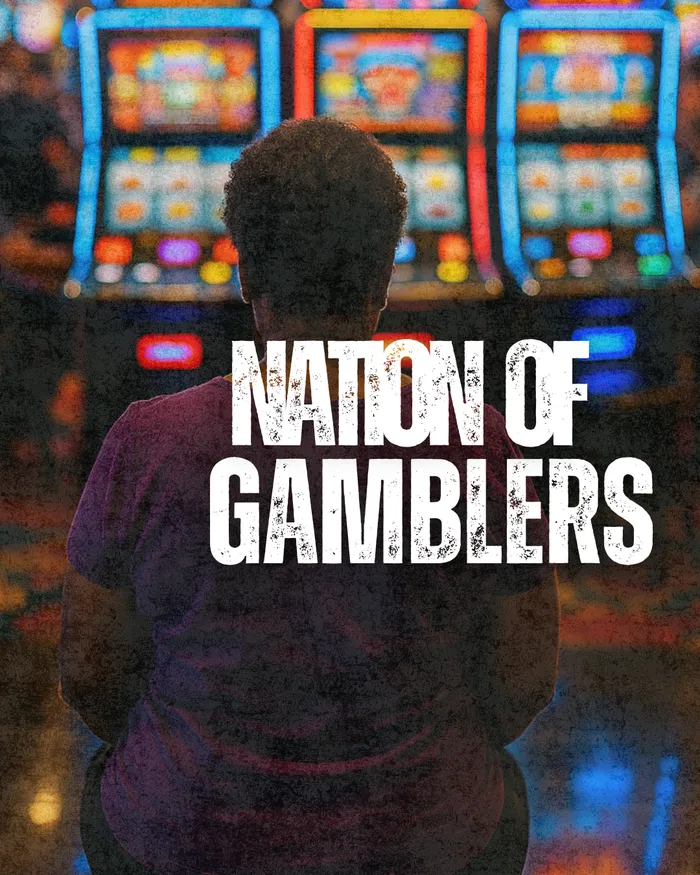
NSFAS and the National Gambling Board move to curb student gambling amid growing reform calls.
Image: IOL Graphics / Sora AI
Student allowances intended for rent, food and textbooks are increasingly being diverted to gambling, prompting urgent intervention from the National Gambling Board (NGB) and the National Student Financial Aid Scheme (NSFAS).
According to The Star, two bodies have launched a coordinated initiative aimed at curbing gambling among tertiary students, particularly on illegal online platforms that aggressively target young people through digital adverts and promotional incentives.
NSFAS said the partnership follows mounting evidence that financial strain, easy online access and targeted marketing are driving student participation in gambling. The consequences, it warned, include declining academic performance and growing financial instability.
In a joint statement, the institutions highlighted growing exposure of youth to online betting, especially on unregulated platforms. Research shows that aggressive digital advertising, promotional offers and the convenience of mobile access have fuelled increased gambling among students.
At the centre of the intervention is the protection of public education funds. NSFAS acting CEO Waseem Carrim cautioned that using study allowances for gambling jeopardises students’ long-term prospects.
He stressed that NSFAS funding is meant to support academic journeys and essential living costs. Diverting these funds to gambling, he said, undermines both educational outcomes and long-term financial wellbeing. The campaign will focus on prevention, awareness and informed decision-making.
The NGB said harm reduction will be a central pillar of the strategy. It raised concern over the normalisation of gambling through social media platforms, mobile applications and digital advertising channels that increasingly reach students.
According to the board, the partnership will prioritise preventative education to stop harmful gambling behaviours before they take root. Special attention will be given to online trends that make gambling appear socially acceptable or financially rewarding.
The joint campaign will roll out nationwide outreach programmes, campus workshops and financial literacy drives. Early intervention initiatives will also be introduced to identify and support at-risk students.
By sharing data and coordinating awareness efforts, the NGB and NSFAS aim to safeguard public funds while protecting students’ academic success and overall wellbeing.
The intervention comes amid intensifying political pressure over what critics describe as a worsening gambling crisis in South Africa.
Rise Mzansi has accused the Department of Trade, Industry and Competition (DTIC), which oversees gambling legislation, of failing to respond decisively to what the party calls a R1-trillion gambling crisis affecting households nationwide.
Rise Mzansi National Assembly Whip Makashule Gana said the party submitted its “Gambling Reforms Now” proposals to the DTIC on November 14, 2025. The document outlines seven proposed reforms focused on tightening online gambling regulation and advertising controls.
Gana claimed the party requested a response within seven days but received feedback 87 days later, which he described as inadequate.
He criticised what he termed a delayed and insufficient reply, arguing that responsibility was being shifted instead of meaningful reform being pursued. Gana said many South Africans are suffering financial harm while gambling operators continue to profit.
While expressing frustration with the DTIC, Gana noted that the National Treasury had shown greater openness to engagement. Rise Mzansi is preparing a detailed submission to Treasury advocating for the introduction of a national online gambling tax.
The party maintains that gambling should be treated as an emerging public health crisis and has pledged to continue pressing for stricter oversight to protect vulnerable communities.
IOL News