Breakthrough: Emergency approval for livestock vaccine to tackle SA's foot-and-mouth crisis
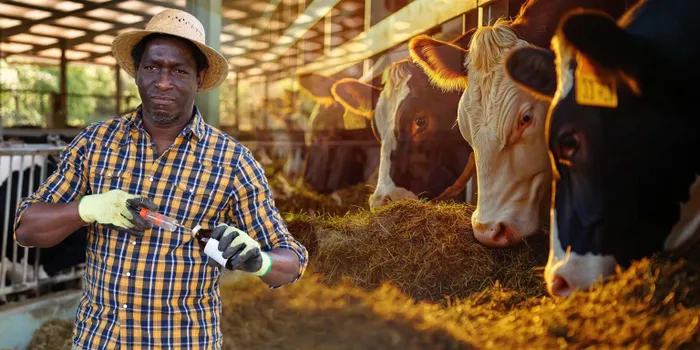
In a decisive move to combat the escalating Foot-and-Mouth Disease crisis, SAHPRA has authorised the importation of the Dollvet vaccine, aiming to safeguard South Africa's agricultural sector and ensure food security for the nation.
Image: Supplied
The South African Health Products Regulatory Authority (SAHPRA) has moved swiftly to grant Section 21 authorisation for the importation of the Dollvet Foot-and-Mouth Disease (FMD) vaccine, a critical measure intended to provide immediate relief to the country’s beleaguered agricultural sector.
The move comes as the highly contagious FMD outbreak, which affects cloven-hoofed animals like cattle, pigs, and goats, causing painful sores and severe production losses, has spiralled into a national crisis, prompting President Cyril Ramaphosa to declare a national disaster.
This comes as South African farmers voiced urgent concerns over the government's delayed response to the FMD crisis, calling for immediate vaccine rollout to protect their livelihoods and the nation's food security.
In a statement on Friday, SAHPRA confirmed that it has granted Section 21 authorisation for the importation of the Dollvet FMD vaccine with conditions and is currently assessing an additional application for the same vaccine.
SAHPRA chief executive officer Dr Boitumelo Semete-Makokotlela said: “The health of our livestock is critical to South Africa’s food security, economic stability, and the livelihoods of our farmers. By granting Section 21 authorisation for the importation of FMD vaccines, SAHPRA is ensuring that veterinarians and farmers have timely access to safe, effective, and scientifically approved tools to protect animals against this highly contagious and devastating disease.”
According to SAHPRA, Section 21 of the Medicines and Related Substances Act provides a mechanism for the controlled importation of medicines and vaccines not yet registered in South Africa, under strict regulatory oversight.
“This pathway enables SAHPRA to respond rapidly to urgent public and animal health outbreaks while maintaining rigorous standards of quality, safety, and efficacy. Authorisations granted under this provision are temporary and subject to ongoing review.”
The authority said all imported vaccines undergo strict regulatory controls and quality assurance processes.
Distribution will be coordinated by the Department of Agriculture: Animal Health, which is responsible for implementing national disease control measures.
Dr Bothle Modisane, chief director for Animal Health at the National Department of Agriculture, said: “The South African farming community can be assured that every vaccine authorised for use in the country undergoes careful evaluation for safety, efficacy, especially against locally circulating strains, and quality, and we are optimistic that the disease will be contained.”
The Department of Agriculture has emphasised that FMD is a controlled disease and that vaccination must take place only within officially approved programmes.
It said unregulated vaccination may mask infections, weaken surveillance systems, and delay the country’s ability to regain its FMD-free status under international standards set by the World Organisation for Animal Health (WOAH).
FMD spreads rapidly through direct contact with infected animals, contaminated equipment, vehicles, clothing, feed, and even via wildlife carriers. Outbreaks can lead to movement restrictions, quarantines, trade limitations, and increased compliance costs for farmers.
Loss of South Africa’s FMD-free status can trigger immediate export bans on livestock and related products, affecting foreign revenue losses and market stability.
karen.singh@inl.co.za