SA draft cannabis rules: 750g possession and 5-plant limits explained
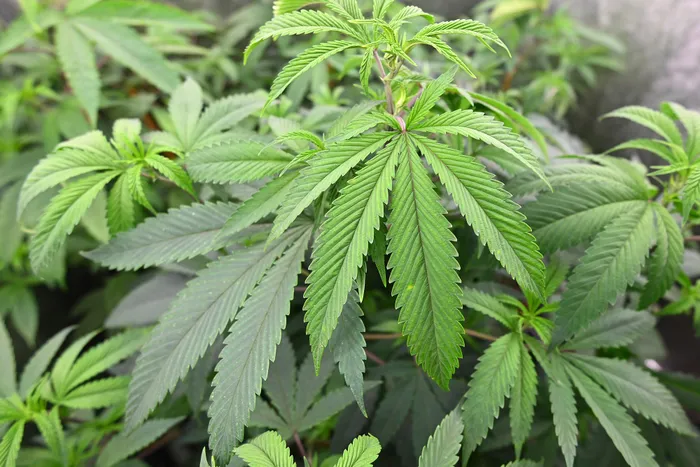
The Ministry of Justice and Constitutional Development has published draft regulations on personal cannabis use.
Image: AFP
The legal vacuum around the possession and transportation of cannabis for personal use may soon be cleared up as the Ministry of Justice and Constitutional Development has published draft regulations on the private use of cannabis.
These are the first detailed cannabis regulations since the Constitutional Court decriminalised private adult use in 2018.
The proposed regulations, which are out for public comment, state that adults would be allowed to possess up to 750 grams of cannabis per day and cultivate no more than five plants, a move the South African Human Rights Commission (SAHRC) says could finally curb years of arbitrary arrests and police harassment.
The draft regulations, published on February 2, 2026 under the Cannabis for Private Purposes Act 7 of 2024, introduce firm numerical thresholds for possession, cultivation, and transportation a legal vacuum that has persisted for more than two years since the Act was signed into law.
According to the SAHRC, the absence of rules has had severe human rights consequences. In a statement, the Commission said the delay meant that “cannabis users and cannabis communities, such as the Rastafari, have been left at the mercy of subjective discretion by law enforcement when policing the use, possession, and cultivation of cannabis.”
Under the draft regulations, adults would be permitted to possess up to 750 grams of cannabis in both private and public spaces, transport the same amount in a single day, and grow up to five cannabis plants for private use. Cannabis being transported would have to be concealed from public view, stored in a vehicle boot or enclosed compartment, and may not be handled or inspected while the vehicle is in motion.
The regulations also introduce a formal process for the expungement of criminal records linked to cannabis offences committed before decriminalisation, a provision the SAHRC has long argued is critical for communities historically targeted by drug policing.
The Commission said the human cost of regulatory delay is documented in its Rights of Rastafari Roundtable report, released in November 2025. That report records ongoing arrests and policing practices affecting Rastafari communities, despite constitutional protections for private cannabis use.
The report also reflects arrest data presented by the South African Police Service (SAPS) to the Commission, showing the continued enforcement of cannabis laws since 2018, the year the Constitutional Court ruled that adult private use could no longer be criminalised.
In response to those concerns, the SAHRC has again called on police to halt arrests during the consultation period. It reminded SAPS members of a national directive issued on 23 August 2023, titled Arrests by the South African Police Service for Cannabis–Related Matters.
That directive instructed officers not to arrest private users and cultivators of cannabis, noting that “there is also no legislation that allows for a presumption of dealing where cannabis quantities above a certain threshold is found in the possession of a person.”
Despite this, the Commission said arrests have continued, exposing users to detention, prosecution, and criminal records in a legal environment marked by uncertainty.
The SAHRC argues that the draft regulations could end this cycle, but only if the public engages with the process.
Given the regulations’ central role in giving effect to the Cannabis for Private Purposes Act, the Commission has urged South Africans to submit comments by 5 March 2026.
“The Commission encourages the public to submit comments on the draft regulations,” it said, warning that without clear and enforceable rules, the gap between constitutional rights and everyday policing will persist.
Copies of the draft regulations are available here on the Department of Justice and Constitutional Development website and in the Government Gazette. Members of the public and interested stakeholders are invited to submit written comments to the Department by 5 March 2026.
For more stories from The Mercury, click the link THE MERCURY