Andiswa Mengo may consider further action after Judge President Mbenenge's misconduct ruling
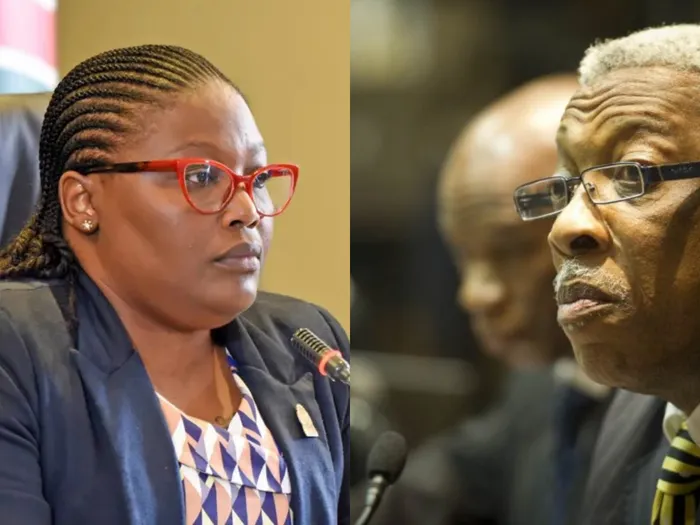
Andiswa Mengo, who claimed sexual harassment against Eastern Cape Judge President Selby Mbenenge, may consider her legal options after he was cleared of gross misconduct.
Image: File
While Eastern Cape Judge President Selby Mbenenge was cleared of sexual harassment allegations, this may not be the end of the matter as the complainant, Andiswa Mengo, could take the findings further.
A Judicial Tribunal found no evidence of gross misconduct, gross incompetence, or gross incapacity, but it did determine that Judge Mbenenge was guilty of misconduct. The complaint, initially lodged with the Office of the Chief Justice (OCJ) and later reviewed by the Judicial Complaint Committee (JCC), alleged sexual harassment by Judge Mbenenge.
Mengo's complaint was largely based on numerous WhatsApp messages exchanged between the parties. She alleged these messages, described as "jocular, flirtatious and even salacious," were unwelcome.
Judge Mbenenge, while admitting to sending WhatsApp messages, disputed sending or receiving certain disputed messages and pictures. He contended that an objective reading of the messages would show a consensual flirtatious engagement.
The Women’s Legal Centre, which represented Mengo at the hearing, said in a statement that Mengo requires time to process both the outcome and the “deeply disappointing” language used in parts of the report released on Saturday.
In its report, the Tribunal, headed by retired Judge President Bernard Ngoepe, in referring to specific parts of her evidence, amongst others, found that “she clearly lied, which inevitably severely compromised her credibility".
The Women’s Legal Centre, meanwhile, said it is waiting for Mengo's instructions before “taking further steps" It pointed out that she retains the right to consider further legal recourse, including the possibility of taking the Tribunal’s findings on review. “These options are actively under consideration,” it said.
The Centre reiterated that this case remains critically important. According to it, the report illustrates that women who speak out about sexual harassment continue to face prejudice, stigma, and intense scrutiny.
“The language used, the exceptions placed on survivors, and the framing of credibility all reflect the systemic barriers women encounter when seeking accountability, particularly where power imbalances are at play,” it said.
The Centre gave the assurance that it remains steadfast in supporting Mengo and in advancing a jurisprudence that recognises the realities of sexual harassment, centres survivors, and holds those in positions of power accountable.
It pointed out that it is, however, important to note that the Tribunal found the Judge President guilty of misconduct for inappropriate conduct in the workplace. It said the finding affirms that the conduct complained of was unacceptable and improper and that Mengo’s complaint was not without merit.
While the Tribunal did not find that the misconduct rose to the level of gross misconduct, the process is not concluded. The matter now proceeds to the Judicial Service Commission (JSC), which is mandated to consider the Tribunal’s report and make the final determination. The Centre said as there remains scope for further submissions before the JSC, it will definitely make use of this opportunity.
Coordinator of Judges Matter Alison Tilley, meanwhile, explained that there are sanctions, which are called remedial steps in law, to follow the finding against Judge Mbenenge. There can be any one or a combination of remedial steps, which includes an apology by the judge president, a reprimand, a written warning, or compensation ordered.
Other remedial steps can also include that Judge Mbenenge must undergo appropriate counselling, attendance of a training course, or other appropriate measures. But at this point, the findings go to the “small” JSC, which is the body sitting without the members of Parliament. They will then decide on the remedial steps.
Tilley said in some instances in the past, people were unhappy with the findings of the “small” JSC, and they then subsequently turned to the Supreme Court of Appeal to appeal the findings. It, for example, happened in the drunken driving case of Judge Nkola Motata.
Tilley explained that there are still a couple of steps to go for the final decision by the “small” JSC. She said it's unsure at this stage when that will happen, but they are definitely meeting in April because the JSC sits then to do judicial appointments. Tilley said while sooner than later is better, she expects them to resolve the matter by then.
Judge Mbenenge is meanwhile expected to be back at office on Monday after he was on special leave.
zelda.venter@inl.co.za