Cape Town sounds alarm as dam levels plummet after heatwave
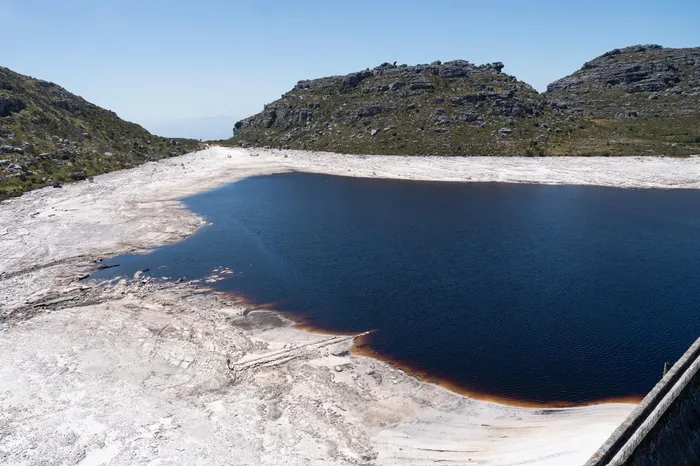
Woodhead Reservoir is dunning dry.
Image: Armand Hough / Independent Newspapers
Cape Town authorities have issued an urgent appeal for residents, businesses and visitors to cut back on water use after dam levels dropped significantly following a surge in consumption during recent hot weather.
The City of Cape Town’s Water and Sanitation Directorate warned on Wednesday that dam storage is now 19% lower than at the same time last year, raising concerns about water security if high usage continues through summer.
According to the City, lower annual rainfall has reduced inflows into dams, placing additional strain on the water supply system.
While officials stressed that taps are not in immediate danger of running dry, they cautioned that sustained high consumption could quickly change the situation and force the introduction of restrictions.
Data from the City’s weekly water dashboard shows that average daily water use has consistently exceeded the target of less than 975 million litres per day (MLD). Consumption peaked at 1 048 MLD on January 5, 2026, well above recommended levels.
Current dam storage stands at 69.1%, which must last until the next seasonal rainfall cycle.
“This is a critical moment for us, where we must reduce the unnecessary litres of water used in our homes, in industrial and agricultural processes and at work,” said Mayoral Committee Member for Water and Sanitation, Councillor Zahid Badroodien.
“We can’t afford to be complacent any longer and we must closely keep track of consumption indicators on a weekly basis.”
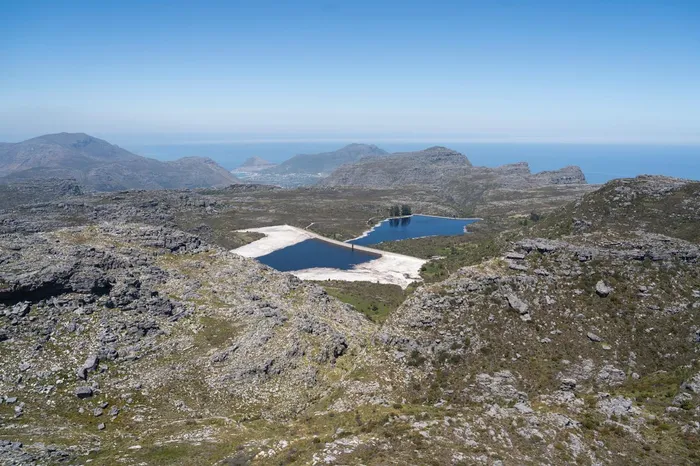
Hot weather conditions have led to declining dam levels.
Image: Armand Hough / Independent Newspapers
Badroodien emphasised that early action is key to avoiding tougher measures later in the year.
“Early proactive measures are far more effective than emergency restrictions. We need to be water-wise at all times,” he said.
The City highlighted that around 70% of water consumption occurs in households, making residential savings critical. Residents are urged to fix leaks promptly, monitor their usage, water gardens only at night to reduce evaporation and avoid unnecessary topping up of swimming pools.
The municipality also called on the public to immediately report burst pipes and leaks, noting that faster reporting helps limit water losses across the system.
“All of us have a part to play in reducing our water usage now,” Badroodien said.
“The City is busy with various actions, including consistently resolving reported pipe bursts and water leaks within the shortest timeframe.”
He added that Cape Town continues to invest in upgrading ageing infrastructure, improving pressure management and strengthening metering across the water network.
Looking ahead, the City said it is advancing long-term plans to diversify water sources and reduce reliance on rain-fed dams.
“In the long term, to reduce dependency on rain-fed dams, the City is scheduled to proactively add new water sources, such as desalination and water reuse to our supply from 2031,” Badroodien said.
Residents are encouraged to access water-saving resources and tips on the City’s website as authorities stress that immediate collective action is essential to safeguard Cape Town’s water supply in the months ahead.
IOL News