Stormy season leaves South Africa’s electricity on edge
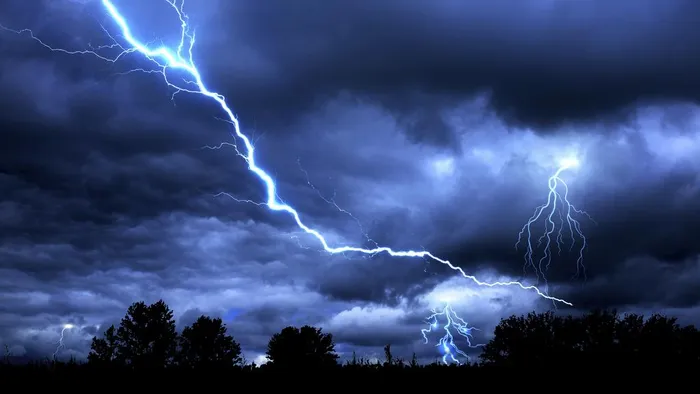
Adverse weather conditions pushed up faults across Eskom's network.
Image: Freepik
Stormy weather pushed reported power issues up 40% over the festive season compared with 2024 as a result of damaged infrastructure, Eskom said.
Late December 2025 saw unusually wet and stormy conditions sweep across much of South Africa. Heavy rain, strong winds, lightning, hail, and localised flooding were reported in Gauteng, Limpopo, Mpumalanga, KwaZulu‑Natal, the Free State, and parts of the North West and Eastern Cape.
The South African Weather Service issued multiple warnings through the festive season, with particularly severe storms on New Year’s Eve and New Year’s Day.
While supply has been restored in most affected areas, some communities remain without electricity due to severely damaged infrastructure, Eskom said.
“Eskom teams have been working throughout this period and continue to restore supply safely and as quickly as possible,” it said in a statement.
Eskom also pointed to other issues that affected power sustainability, such as illegal connections and meter tampering.
These, it warned, continued to damage networks and create serious safety risks, prompting temporary load reduction in high-risk areas.
Despite these challenges, Eskom said the national power system remains stable and continues to meet electricity demand.
These distribution-level issues mirror persistent problems in municipalities across the country over the past year.
In Johannesburg, City Power has repeatedly attributed prolonged and repeated outages to cable theft, vandalism, substation fires, and illegal connections.
This left suburbs including Braamfontein, Newtown, Parktown, and the inner city without power for days despite no national load shedding being in effect.
In Tshwane, municipal officials have cited ongoing feeder cable faults and ageing infrastructure as the cause of extended outages in several areas.
The Indian Ocean-facing eThekwini municipality has acknowledged thousands of electricity interruption complaints linked to local network failures and weather-related damage over the recent past.
In all these cases, outages were driven by local distribution problems rather than Eskom generation shortfalls.
Overall, however, Eskom said it is rolling out longer-term interventions aimed at stabilising supply and eliminating load reduction by 2027.
Sustained improvements in generation performance, supported by its Generation Recovery Plan and intensive maintenance programmes, have reduced unplanned outages and strengthened fleet reliability, it said.
South Africa has now experienced 231 consecutive days without power disruptions caused by load shedding, with only limited rolling blackouts of 26 hours recorded earlier in April and May last year.
The utility also noted that improvements have reduced the need for costly diesel-powered generation, cutting operational costs while supporting grid stability. Year-on-year, diesel spend is R2.5 billion lower.
“Planned maintenance remains aligned with Eskom’s maintenance schedule and supports ongoing efforts to enhance plant reliability, improve operational stability, and strengthen long-term fleet performance,” the utility said.
IOL BUSINESS