KZN storm death toll rises to 4, tourism activities on South Coast disrupted
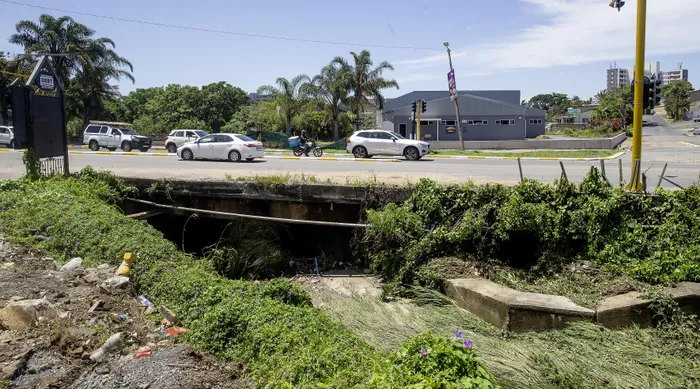
Road infrastructure was damaged on the KZN South Coast in Sunday's storm.
Image: Leon Lestrade / Independent Newspapers
Tourism operators along KwaZulu-Natal’s South Coast say severe flooding has disrupted the peak festive season, as damaged infrastructure, business closures, and safety concerns begin to affect visitor activity across the region.
The flooding also turned deadly. KwaZulu-Natal Premier Thami Ntuli confirmed that two fatalities had been recorded in the Ugu District.
A 63-year-old woman died when a house collapsed during a mudslide in Bomela located in the Ray Nkonyeni Local Municipality, while a 46-year-old man drowned after being swept away by floodwaters in Qholoqholo in the Umzumbe Local Municipality.
In eThekwini, Ntuli said a vehicle carrying five occupants was swept away by floodwaters at a low-lying bridge in Amanzimtoti. Two occupants escaped, while the bodies of two men aged between 25 and 40 were later recovered. One person remains missing, with search and rescue operations continuing.
“We extend our heartfelt condolences to the families who have lost loved ones. The Provincial Government is mobilising all available resources to assist affected communities and ensure that urgent relief reaches those in need,” Ntuli said.
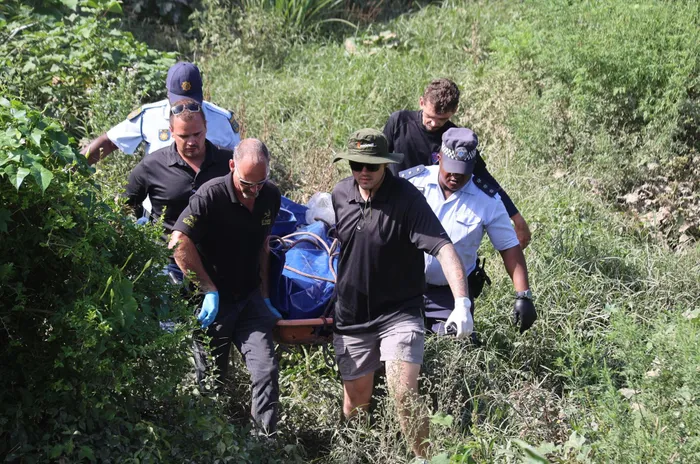
The body of a flood victim was recovered in Amanzimtoti on Monday after a vehicle was swept away in floodwaters. Two bodies were recovered while a third man remains missing.
Image: Tumi Pakkies / Independent Newspapers
He added that disaster management teams had begun mop-up operations following the storms, which uprooted trees and damaged roads, homes**,** and commercial properties, and urged residents to remain vigilant as adverse weather conditions were expected to persist.
The tragedy has unfolded against the backdrop of widespread flooding across parts of KwaZulu-Natal, hitting coastal towns at the height of the December holiday season. Hospitality bodies say that, while accommodation establishments remain largely operational, the broader tourism experience has been disrupted by road damage, temporary business closures, and restricted access to key attractions.
Fedhasa chairperson Brett Tungay said damaged infrastructure, particularly roads, was the most immediate challenge for the sector. “I’ve checked with our members down there, there’s a lot of infrastructural damage in terms of roads,” Tungay said. “However, the community is working hard together. The province and local council are busy trying to make emergency repairs, especially on the roads.”
Tungay said the industry was hopeful the disruption would be short-lived. “I think the impact for visitors is going to be temporary, maybe the next two days, while they try and get everything back in order,” he said. “Hopefully, most of the services will be sorted before Christmas.”
Business organisations on the South Coast, however, warned that the financial impact on tourism-linked businesses could be more severe. Reverend Thando Ncane of the Ugu Association of Businesses said flooding had caused extensive damage to property, forcing some businesses to close during one of the busiest periods of the year.
“Flooding caused extensive damage to property. Some businesses are still closed,” Ncane said. “It could take about a week for some businesses to open and things to get back to normal.”
Ncane said beach closures were compounding the losses. “Beaches are closed, but there are reports that they may be opened tomorrow,” he said. “From the tourism sector, we are going to lose a lot. Tourists are already here, and they want to buy and shop as well as visit the beach. Even on Christmas, we are going to suffer.”
Premier Ntuli said the floods highlighted the growing impact of climate change on communities and the provincial economy.
“We are losing lives, we are also losing property, we are also losing business,” Ntuli said, noting that businesses were among the sites affected, some for the second time.
Ntuli said existing infrastructure was unable to cope with extreme rainfall events. “When it’s a normal rain, the drainage system is able to actually work quite effectively,” he said. “But when it’s an abnormal rain, that is where they’re experiencing problems.”
He said managers of affected centres had confirmed that drainage systems were functioning but were overwhelmed by the volume of rain.
“The rain that occurred yesterday was quite heavy. That is what we’re talking about when we say we need to invest as a government in the infrastructure,” Ntuli said.
He said the province would work with local and district municipalities to compile technical and engineering reports to guide further investment in infrastructure to mitigate future flooding.