Rushed qualifications for Grade R teachers could disrupt education, warns committee chair
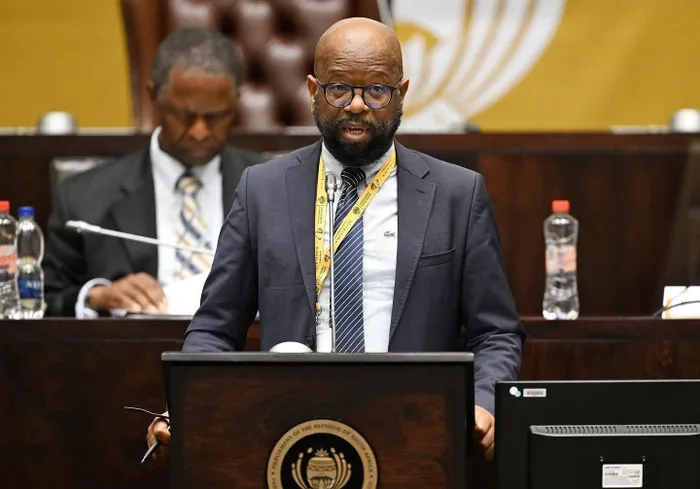
Chairperson of the Select Committee on Education, Health and Creative Arts Makhi Feni has expressed concern regarding the Department of Basic Education's plans, which require all Grade R educators to hold a diploma or degree qualification.
Image: Phando Jikelo / Parliament of South Africa
The integration of Grade R into the formal schooling system must be approached with caution, as the demands for specific qualifications among Grade R teachers have the potential to disrupt learning.
This warning came from Select Committee on Education, Sciences and the Creative Industries Chairperson Makhi Feni, who expressed concerns regarding the Department of Basic Education's plans, which require all Grade R educators to hold a diploma or degree qualification under the Basic Education Laws Amendment Act that was signed into law last year.
He said the reported qualifications requirement, from people who had been with early childhood development (ECD) for over 30 years, has a potential to disrupt not only learning but the labour peace.
“That would be an antithesis of the intentions of migrating the ECD function into the department. It would be ideal to first ensure success in implementing the migration and the needs of our children within a school set-up,” said the chairperson.
“Qualifications are a good thing to have but we cannot in a space of a year be making such statements that could threaten to collapse an entire sector. Government leaders must be responsible in how they implement policies,” he added.
Feni also said a recent oversight visit by the committee to the Amathole West District and Gqeberha in the Eastern Cape found many infrastructure challenges related to the ECD function, including schools like Bodiam Primary School, where children are accommodated in zinc structures.
“The schools hardly have kitchens to prepare for these kids good nutritious food, and most lack friendly sanitation and facilities for kids. This demand for qualifications will disrupt education and there has to be a rethink and a halt.”
He said there should be timeframes that will allow educators to acquire the qualifications.
“The committee will attend to this matter when it returns from the December recess.”
Feni’s comments came shortly after a written response by Basic Education Minister Siviwe Gwarube to parliamentary questions.
DA MP Nazley Sharif wrote to Gwarube enquiring about the budget allocated for the improvement of qualifications for Grade R teachers and the number of those practitioners identified to attain the qualifications.
According to Gwarube, there is currently no dedicated funding allocated for the upgrading of Grade R teachers’ qualifications in the 2024/25 financial year.
She, however, said R66 million has been secured through the Education, Training and Development Practices Sector Education and Training Authority (ETDP-SETA) from its discretionary funding for implementation in the 2025/26 financial year.
“This funding is intended to support the upgrading of qualifications for eligible Grade R practitioners across all nine provinces.”
Gwarube said the provincial Education departments will be required to integrate the upgrading initiatives into their annual performance plans to ensure continuity and sustainability after the first year of study.
This as the ETDP-SETA will continue to fund these projects in subsequent years, subject to available funding.
“The funding will be accessible to all provinces based on the number of qualifying Grade R practitioners identified.”
Gwarube said the number of qualifying practitioners to be funded through the ETDP-SETA allocation stands at 2,117 across the nine provinces against a total of 7,294 that are without qualifications.
“These practitioners meet the requirements for enrolment at higher education institutions and represent the first cohort identified for qualification improvement under this funding stream.”
She said the 2,117 identified for qualification improvement represented the first phase of a broader strategy to professionalise and standardise Grade R teaching qualifications and ensuring that all practitioners meet the minimum qualification requirements as envisaged in the Integrated Early Childhood Development (ECD) Human Resource Development Plan and the National Qualifications Framework standards.
mayibongwe.maqhina@inl.co.za