Decision to classify Phala Phala report was 'abuse of power'
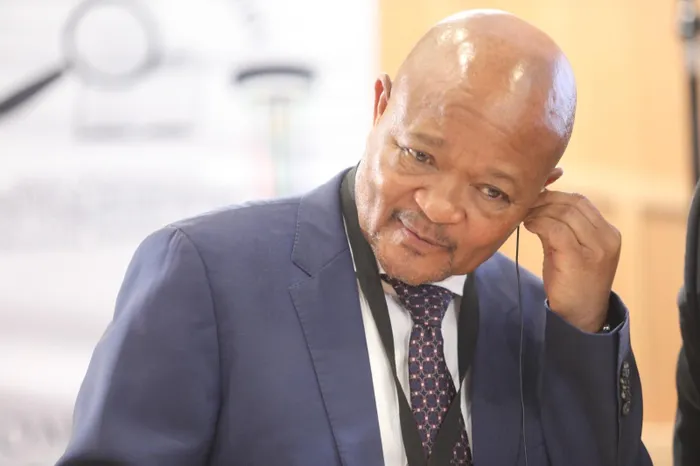
Political analysts and security experts say the classification of the IPID investigation report into the conduct of members of the Presidential Protection Unit in relation to their involvement in the Phala Phala investigation, announced by suspended Police Minister Senzo Mchunu, is an example of abuse of power.
Image: Oupa Mokoena/Independent Newspapers
The Independent Police Investigative Directorate’s (IPID) investigation report into the conduct of members of the Presidential Protection Unit in relation to their involvement in the Phala Phala investigation should 'never have been classified'.
These are the views of political analysts and security experts, who said the decision to classify the report is a classic example of the 'abuse of power to shield President Cyril Ramaphosa from being held accountable'.
The scandal became public in June 2022 when former State Security Agency head Arthur Fraser filed a criminal complaint, alleging that around $4 million (later reported as closer to $580,000) in undeclared foreign currency was stolen and that Ramaphosa arranged a clandestine recovery operation without officially reporting the crime. The allegations included money laundering, tax evasion, and abuse of state resources.
The Presidential Protection Unit (PPU) is central to allegations, particularly concerning the conduct of its head, Major-General Wally Rhoode, who allegedly led an off-the-books investigation into the theft of foreign currency from President Ramaphosa's farm.
Instead of a formal police case, Ramaphosa reportedly instructed Rhoode, head of the PPU, to investigate the matter. This investigation allegedly involved:
- Tracing and interrogating suspects, including some Namibian nationals, without official jurisdiction or due process.
- Potential use of state resources (PPU and Crime Intelligence members) for a private matter, which critics argue is an abuse of power and a violation of SAPS policies.
- Alleged bribery and pay-offs to the suspects and a domestic worker involved to ensure their silence and retrieve the money.
On Saturday, IOL reported that acting Police Minister Firoz Cachalia hinted at the possibility of declassifying the report during his response to Parliamentary questions from the EFF.
Cachalia stated that IPID is contemplating revising the classification status of the report, which has been designated as “Top Secret”.
In March 2025, suspended Police Minister Senzo Mchunu told members of Parliament that the report into the Phala Phala scandal was classified as “Top Secret” according to the Minimum Information Security Standards (MISS).
He argued that this was necessary to protect witnesses involved in the investigation.
During his testimony before the Madlanga Commission and Parliamentary Ad Hoc Committee, KwaZulu-Natal Police Commissioner Nhlanhla Mkhwanazi said Mchunu did not have the authority to classify the report.
Mkhwanazi questioned why the report would be classified as “Top Secret” by the Minister when IPID is not an intelligence agency. He also questioned whether Mchunu himself had the necessary security clearance to classify a document as "Top Secret", suggesting that if a minister could simply decide to classify a document and withhold it from the public, the system could be manipulated.
Asked if Cachalia believes the IPID report should not have been classified from the beginning, his spokesperson, Kamogelo Mogotsi, said that as the custodian of the report and having determined the classification, IPID is currently reviewing the classification and has yet to inform the Minister of the outcome of their initiated review.
However, political analyst Zakhele Ndlovu said the report should not have been classified, adding that the Phala Phala farm was a crime scene on different levels.
“How does the President get away with keeping millions in foreign currency, and then there is a break-in?” asked Ndlovu, adding that state institutions are being used to hide something criminal and protect the President.
He said Phala Phala is a private property, and has nothing to do with safeguarding national security to justify classification.
“There was never any indication that releasing this information could potentially cause any damage to the country. Mchunu was protecting the President. We know that Mchunu and the President are close political allies. Remember, Mchunu ran for SG (secretary-general) in the CR17 slate. This is another classic example of Mchunu's unethical behavior and dereliction of duty,” Ndlovu said.
Another political analyst, Professor Sipho Seepe, also said that there is no doubt that the report should have been declassified from the beginning. He said the declassification of the report would be the lifeblood of democracy, adding that the notion of transparency is important.
Seepe added that, however, the report could have been tampered with.
Retired Interpol Ambassador and security strategist Andy Mashaile also said the report should not have been classified, adding that the classification is unlawful. He said Mchunu would have to testify and reveal what he knows about the report.
manyane.manyane@inl.co.za