Rape survivors turned away as police stations run out of kits
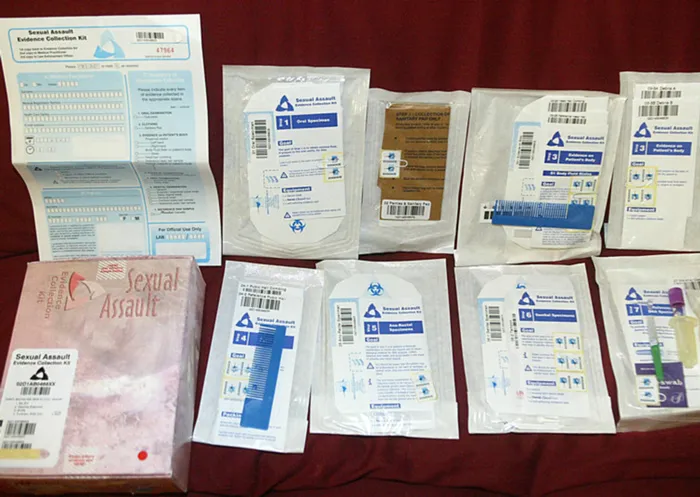
Rape kit!!!!These are contents of a Sexual Assault Evidence Collection Kit that is used for DNA testing on rape cases. The kit contains a form to fill-in both the doctor and the patients' particulars. After filling in the form then the procedure according to steps is followed-Step1: Oral Specimen, Step2: Collection of Sanitary Specimen only, Step3: Evidence on patient's body(Body Fluid Stains): Step3(i). Contains Head hair comb: Step3(ii). Debris(a) and Debris(b), Step4: Pubic Hair Comb, Step5: Ano Rectal Specimens, Step6: Genital Specimens and Step7: Reference DNA Specimens. 180806. Picture: Bongiwe Mchunu There is an ongoing debate regarding the D1 and D7 rape kits availability in the Western Cape
Image: File
Survivors of sexual violence in the Western Cape face renewed barriers to justice amid claims that dozens of police stations across the province have run out of rape kits — a shortage the South African Police Service (SAPS) strongly denies, Weekend Argus reports.
Reports indicate that over 30 police stations, including in high-crime areas such as Khayelitsha, Mitchell’s Plain and Mfuleni, as well as rural outposts like Laingsburg and Riebeek West, have no adult (D1) or paediatric (D7) rape kits in stock. Some kits were reportedly expired as of October 2025, with survivors allegedly told to return later or travel long distances for assistance.
An internal document dated 2 December listed stations with zero stock, including Redelinghuys, Atlantis, Pacaltsdorp and parts of George and Mossel Bay. Officials say some survivors were redirected multiple times — from Paarl to Atlantis and Malmesbury — in search of available kits.
Despite this, SAPS national spokesperson Brigadier Athlenda Mathe insisted there is a “healthy surplus” of kits, citing over 3,700 available in the province, with an additional 2,850 scheduled for delivery on 15 December. She also noted a national stock of nearly 15,000 adult kits and over 22,000 child kits.
However, an unannounced oversight visit by Police Portfolio Committee Chair Ian Cameron and DA NCOP member Nicholas Gotsell contradicted SAPS’ claims. They found no D1 or D7 kits at the SAPS provincial supply chain warehouse in Epping. Gotsell later verified that several stations listed as having stock, including Sea Point and Paarl, were in fact without kits — or had expired stock.
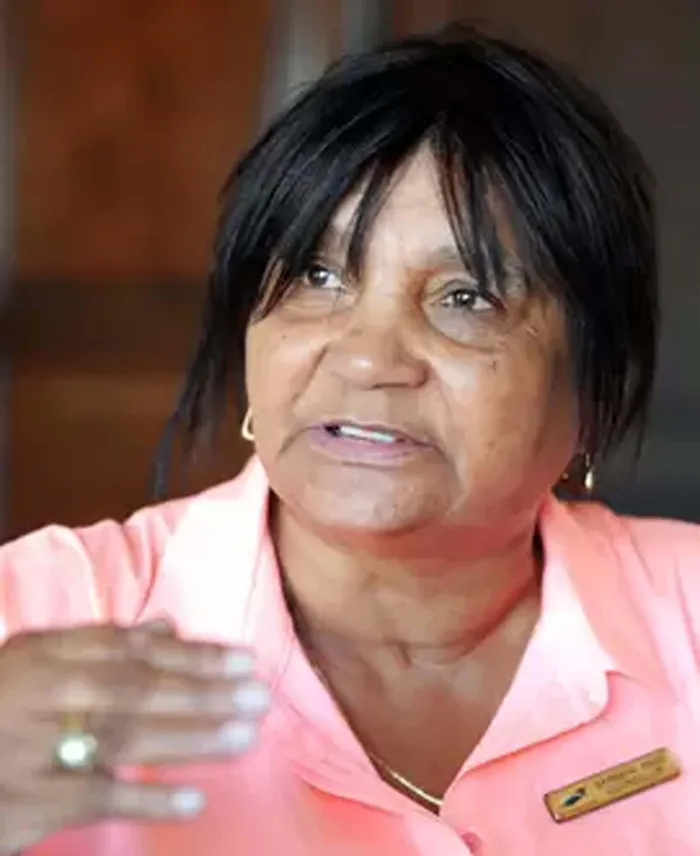
Councillor Barbara Rass said the 16-year-old was traumatised as she had lost everything in one night. Picture: African News Agency (ANA) Barbara Rass
Image: File
“There’s a worrying disconnect between what SAPS reports and the reality at ground level,” said Gotsell.
Barbara Rass, founder of the Western Cape Thuthuzela Care Centres, described the shortages as a violation of basic human rights. “Victims are being retraumatised. It’s as if they are raped again by the system,” she said.
Child protection group Molo Songololo also confirmed hearing of shortages in areas it services, including Atlantis, Beaufort West and Worcester. Director Patrick Solomons emphasised that even temporary gaps can damage forensic evidence and undermine prosecutions. “Proper oversight and coordination are critical. No facility should ever be without these kits,” he said.
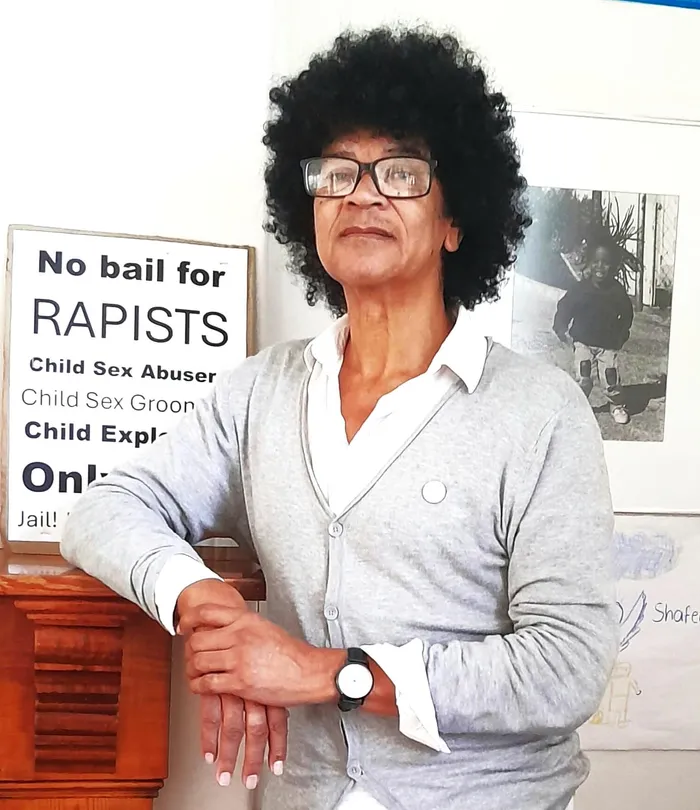
Molo Songololo director, Patric Solomons
Image: Supplied
Advocacy group Action Society condemned the shortages as symptomatic of deeper failures in SAPS procurement and oversight. “The trauma begins anew when survivors are turned away, told to wait, or forced to leave without an examination. This undermines justice,” the organisation said.
As SAPS continues to deny any crisis, activists and oversight bodies stress that the gap between policy and practice remains dangerously wide. The controversy comes during the 16 Days of Activism campaign, intensifying scrutiny of the state’s commitment to combating gender-based violence.
Further unannounced inspections are expected following the 15 December delivery, as civil society groups and opposition MPs continue to press for accountability and transparency.