Minister Motsoaledi warns of rising counterfeit drugs in South Africa
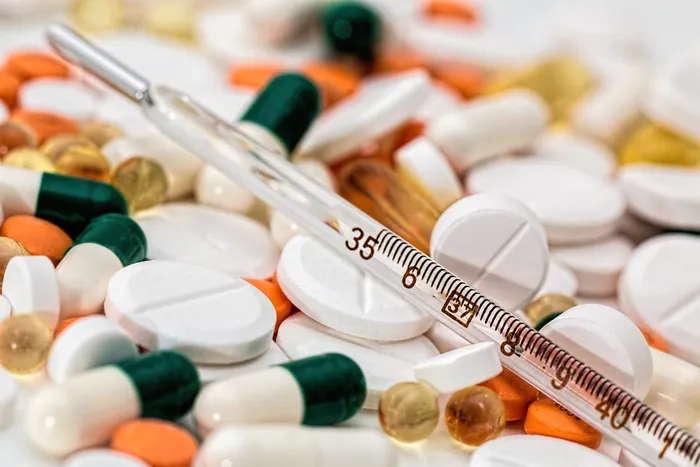
Minister of Health Dr Aaron Motsoaledi reveals alarming statistics on counterfeit medications in South Africa.
Image: Pixabay
IN a stark warning regarding the integrity of South Africa's pharmaceutical landscape, Minister of Health Dr Aaron Motsoaledi has unveiled alarming statistics concerning counterfeit and illicit medications.
During a recent parliamentary session, he disclosed that the South African Health Products Regulatory Authority (SAHPRA) reported 507 suspected cases of counterfeit drugs in the 2024/25 financial year. Out of these, 110 were confirmed to be counterfeit, highlighting a pressing public health crisis and rampant illegal trading in medicines.
Minister Motsoaledi’s revelations come at the behest of Economic Freedom Fighters (EFF) MP Thandiswa Marawu, who expressed concerns about the surge of counterfeit pharmaceutical sales across the nation.
Her inquiry broadened into the specifics of the counterfeit crisis, from commonly faked medications to the scope of economic repercussions on both the health sector and legitimate pharmaceutical businesses.
Among the most frequently counterfeited products are pain management drugs, weight loss aids, skin lightening treatments, medical devices such as condoms, and various impotency or enhancement medications. Such products not only prove ineffective but may also pose serious health risks to unsuspecting consumers, according to the minister.
The financial repercussions of this trade in fake medicines are equally troubling. The Minister disclosed that the destruction of these illicit products incurred costs approximating R3 million over the past financial year.
He pointed out, “There are losses that the legitimate producer incurs and the public from using a product that is ineffective or harmful.”
In a bid to tackle this escalating crisis, SAHPRA has coordinated multiple joint operations, partnering with the South African Police Service (SAPS) and other law enforcement agencies. Thus far, 81 operations have been conducted, successfully uncovering numerous instances of illegal medical products.
To shield consumers from becoming victims of counterfeit medications, Minister Motsoaledi advised the public to remain vigilant, particularly when purchasing medications through unregulated channels.
He stressed that “no Schedule 1 medicine or higher may be sold at unregistered facilities,” emphasising that such products should only be dispensed through licensed pharmacies, hospitals, or authorised practitioners.
Purchasing medications online should be approached with extreme caution, particularly as the sale of prescription drugs is expressly forbidden over the Internet. Minister Motsoaledi urged citizens to report suspicious advertisements on social media, reminding them that such practices are illegal and should be reported to SAHPRA.
As for identification of counterfeit drugs, the Minister highlighted essential markers consumers should check. Properly registered medicines must include a Schedule designation, a SAHPRA registration number, expiry dates, batch numbers, and detailed information about active ingredients. Any deviation in labelling, such as poor print quality, spelling mistakes, or missing inserts, should raise immediate red flags.
Furthermore, unrealistic marketing claims touting miraculous cures, detoxifying benefits, or any assertions promising sudden health improvements, particularly those accompanied by unusually low pricing, should be met with skepticism.
Dr Motsoaledi concluded with a rallying call for public vigilance, urging consumers to report any suspected counterfeit or illicit medicines through SAHPRA’s official reporting channels.