How South Africa's economy and healthcare is affected by US tariffs and funding cuts
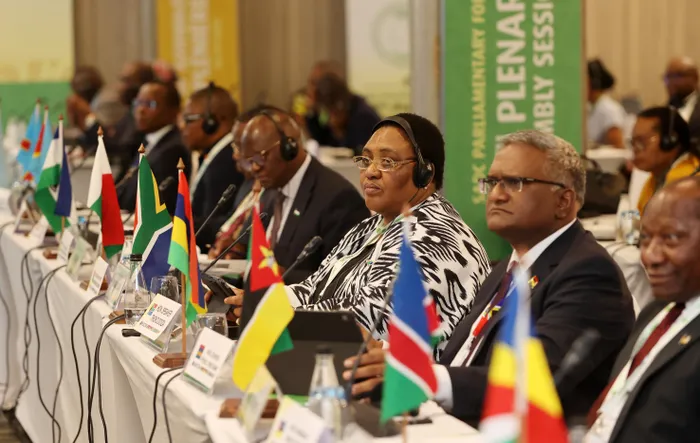
Parliament Speaker Thoko Didiza addressed the SADC Parliamentary Forum, stressing the necessity of urgent action to bolster economic resilience and revive public health in South Africa. Her remarks come as the country grapples with escalating tariffs and significant reductions in funding for crucial healthcare services.
Image: Tumi Pakkies/ Independent Newspapers
During Tuesday's 58th SADC Parliamentary Forum Plenary Assembly, Parliament Speaker Thoko Didiza addressed a number of pressing issues, highlighting the significant challenges that tariffs and funding cuts are posing to South Africa's economy and healthcare system.
Didiza began the discussion by highlighting the harsh realities of tariffs affecting trade within SADC member states.
“With regards to the automotive industry, it would be recalled that the US is a major destination for South African automotive exports. Proposed or imposed tariffs (e.g., 25% on vehicles) have led to higher costs and reduced competitiveness for South African-made vehicles in the US market, which could potentially slow demand,” Didiza said.
She said the steel and aluminium industries have also been affected by the US tariffs, disrupting global supply chains and increasing manufacturing costs.
“This has put pressure on the competitiveness of the once competitive steel industry,” Didiza said adding that agricultural products such as wine and citrus are vulnerable to tariff escalations.
“The trade protectionism observed in America has necessitated the diversification of trade to other markets such as the AGOA and Asian regions,” Didiza said.
“Within the SADC region, South Africa emphasises strengthening regional integration and leveraging the African Continental Free Trade Area to build resilience against global trade challenges. South Africa utilises diplomatic channels to negotiate trade deals that respect national interests and preserve regional integration, including the Southern African Customs Union (SACU) common external tariff.
"South Africa views SADC and AfCFTA as important for industrialisation and regional development. The government works with SADC and SACU members to address tariff disparities and non-tariff barriers to boost intra-regional trade.”
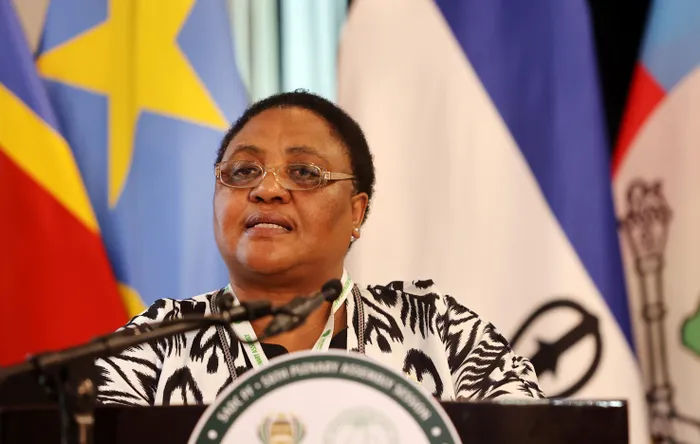
Addressing the SADC Parliamentary Forum, Parliament Speaker Thoko Didiza emphasised the immediate need for South Africa to strengthen its economic resilience and revitalise public health. Her call for urgent action comes amid rising tariffs and significant cuts to essential healthcare funding across the country.
Image: Tumi Pakkies/ Independent Newspapers
Didiza, on the increase in costs for healthcare services, said the impact of US funding cuts, particularly to initiatives like the President’s Emergency Plan for AIDS Relief (Pepfar) and the US Agency for International Development (USAID), on the South African healthcare sector has been significant, especially concerning the fight against HIV/AIDS and related research.
She said that on May 16, 2025, the Portfolio Committee on Health was briefed on the impact of funding reduction on this programme. Some key impacts that have been reported include:
- Cuts have led to clinics closing. These include specialised services such as Men’s Clinics and Transgender and Sex Worker Clinics.
- Service delivery capacity has been negatively affected by the job losses of thousands of skilled healthcare workers and support staff (including nurses, community healthcare workers, and data capturers), whose positions were funded by US aid programmes.
- Should the South African government fail to replace the lost funding completely, modelling indicates that stopping all activities supported by Pepfar could cause hundreds of thousands of extra new HIV infections and AIDS-related deaths over the next 10 years.
Didiza said that in response, South African health organisations and the government have been exploring alternative measures:
- Charities are exploring innovative funding methods, including social bonds, resource pooling, and flexible, multi-year contributions from alternative donors.
- The National Department of Health is committed to increasing domestic budget allocation to procure critical equipment and strengthen staffing.
- To address the crisis and secure resources, there are ongoing high-level engagements with international partners and funding bodies.
thobeka.ngema@inl.co.za