Understanding self-defence laws in South Africa: What homeowners need to know
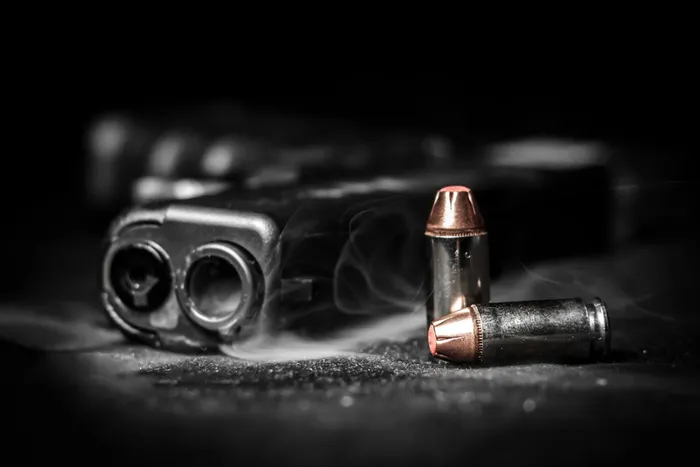
An expert has explained what homeowners should know about using firearms in self-defence situations.
Image: File
In a country grappling with high rates of violent property crime, farm attacks, and home invasions, many South Africans believe their firearm offers an unconditional right to protect their home and belongings.
As South Africa awaits the latest crime stats, a legal expert has warned that pulling the trigger to save a TV or a car could land a homeowner in the dock for murder. Acting Police Minister Firoz Cachalia is set to release crime stats for the third quarter of 2025/2026 today, February 20.
A recent legal analysis by expert Dr Llewelyn Curlewis notes that while South African law allows for force in “private defence”, the modern Constitutional era has shifted the balance heavily in favour of the right to life over the right to property.
The belief that you can shoot a thief simply for being on your property is “legally misleading”, according to Dr Curlewis.
While the common law allows for the protection of property, the Constitutional Court has yet to pronounce on whether killing to protect a tangible object can ever be justified in our current democracy.
“The right to life enshrined in section 11 of the Constitution... most likely overrides any and all other rights, including the right to protect one’s tangible private property,” Curlewis explains.
For a shooting to be considered lawful self-defence in South Africa, it must meet three strict criteria:
- The attack must be imminent: The threat must be real and happening right now.
- The force must be necessary: There must have been no reasonable, less forceful alternative available.
- The force must be proportionate: You cannot use a sledgehammer to crack a nut, or a firearm to stop a petty thief who poses no physical threat.
Recent court rulings have reinforced these strict boundaries. In the 2023 matter of S v Ndobeni, the court reiterated that "if more force is used than necessary, private defence becomes unlawful and turns into vengeance."
Furthermore, the 2022 case of S v Rossouw highlighted the danger of “subjective fear”. The court emphasised that an honest belief in danger is insufficient if, objectively, no real danger to life existed. If a homeowner mistakenly uses deadly force where no threat to life was present, they could face charges of murder or culpable homicide.
Historically, the 1967 case of Ex Parte Minister of Justice: In re S v Van Wyk, where a shopkeeper was acquitted after killing an intruder with a rigged shotgun trap, served as the authority for defending property with lethal force.
However, Dr Curlewis warns that relying on this pre-1994 judgment is risky. “It would be unwise and irresponsible to exclusively rely on this authority in our modern society,” he says, noting that academic scholars believe modern courts are unlikely to condone killing simply to defend property.
Take-home rules for firearm owners:
- Life over property: You are far more likely to be justified in shooting an attacker if they threaten your life than if they are simply stealing your possessions.
- Avoid traps: Indiscriminate devices or traps are “fraught with legal risk” under modern constitutional values.
- Objective reasonableness: The court will not just ask if you were scared; it will ask if a reasonable person in your position would have believed their life was in danger.
For more stories from The Mercury, click the link THE MERCURY