SADC deploys emergency response team to flood-stricken Mozambique and South Africa
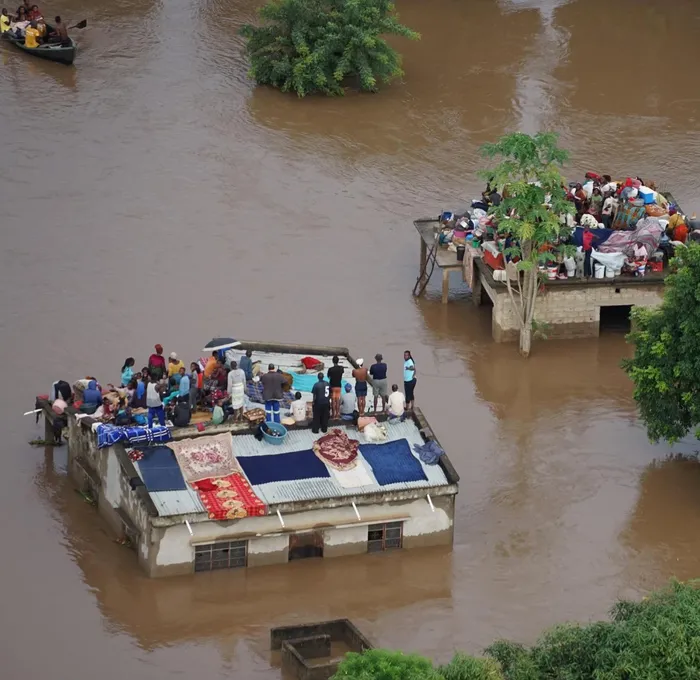
Widespread destruction in Mozambique as severe flooding displaces thousands.
Image: Facebook/ SADC
The Southern African Development Community (SADC) has stepped in to assist Mozambique and South Africa with the aftermath of flooding and extreme weather, by deploying its Emergency Response Team (ERT).
The severe weather caused fatalities, widespread infrastructure destruction, and interruptions to vital services.
SADC Secretariat communication and public relations head Barbara Lopi explained that as part of SADC’s regional disaster response mechanisms, the deployed SADC ERT is aimed at supporting government-led efforts in member states, which have been severely affected by disasters.
“The SADC ERT will be on the ground in Mozambique and South Africa from 23 to 31 January 2026, providing support to national authorities in emergency response, early recovery operations, continuous monitoring of the situation and consolidation of a regional humanitarian appeal, based on the evolving impact assessments,” Lopi said.
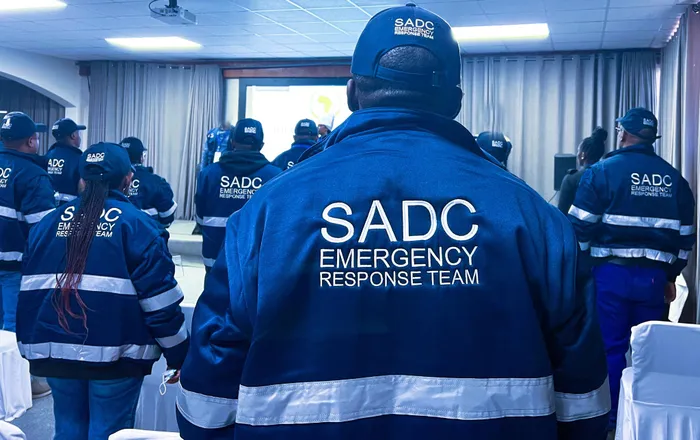
Members of the SADC Emergency Response Team will coordinate efforts to assist flood-affected communities in Mozambique and South Africa.
Image: Facebook/ SADC
She said that several member states, including Eswatini, Malawi, Mozambique, South Africa, Zambia, and Zimbabwe, have been affected by prolonged rainfall. This has led to river overflows, dam spillages, flash floods, and the inundation of low-lying areas. Mozambique and South Africa are facing the consequences and need humanitarian assistance.
Lopi said that in Mozambique, flooding has hit central and southern regions, notably Gaza, Maputo, Sofala, Inhambane, and Manica provinces, prompting the Government of Mozambique to declare a Red Alert on January 16, 2026, and request humanitarian assistance. In South Africa, the government declared a State of National Disaster on January 18, 2026, following severe flooding in Limpopo and Mpumalanga provinces.
“In response to the situation in the SADC region the SADC Humanitarian and Emergency Operations Centre (SHOC), which is mandated to coordinate regional disaster preparedness, response and early recovery, is working closely with the United Nations Office for the Coordination of Humanitarian Affairs (OCHA), national disaster response and coordination structures, international partners such as the International Federation of Red Cross and Red Crescent Societies (IFRC), and the United Nations Disaster Assessment and Coordination (UNDAC) mechanism, to support Government-led national response efforts,” Lopi explained.
“The SADC ERT will support the governments of Mozambique and South Africa by establishing a clear and comprehensive understanding of the humanitarian situation, response capacities, and priority needs, and advise on how SADC can best provide a targeted regional response. These efforts aim to ensure an effective, coordinated and timely humanitarian response to the flood impacts affecting the country.”
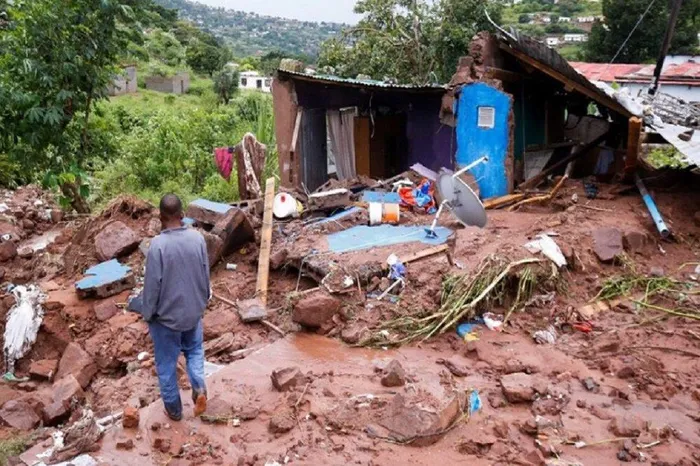
Heavy rains and floodwaters left houses damaged in South Africa.
Image: Facebook/ SADC
Lopi noted that as of October 2025, the devastating floods had affected over a million people across several member states. With communities displaced and lives lost, the situation highlights the critical and urgent need for a coordinated regional response to support those affected.
Meanwhile, Rescue South Africa’s specialist swift water and aviation rescue team, which went to Mozambique to help displaced people during flooding, returned to South Africa on Sunday.
Rescue South Africa chief executive officer Aidan Justus said the team faced challenging conditions while operating in Mozambique. Their efforts focused on supporting aviation-assisted rescue operations, medical care, evacuations, and delivering humanitarian aid to flood-affected regions. As floodwaters started to recede, the team continued to assist, rescuing and relocating hundreds of affected people, offering medical treatment to vulnerable patients, and aiding food distribution.
He said that following coordination with relevant authorities and partners, the decision was made to conclude the deployment and safely extract the team back to South Africa as the operational focus shifted from active rescue to broader humanitarian relief.
“This was a demanding and emotionally challenging operation, but an incredibly meaningful one,” Justus said.
“Our team responded at short notice, integrated quickly into a complex international response, and made a real difference to communities in crisis. We are proud of their professionalism, resilience, and humanitarian commitment.”
thobeka.ngema@inl.co.za