Anglo American and Teck's merger: End of an era moves closer
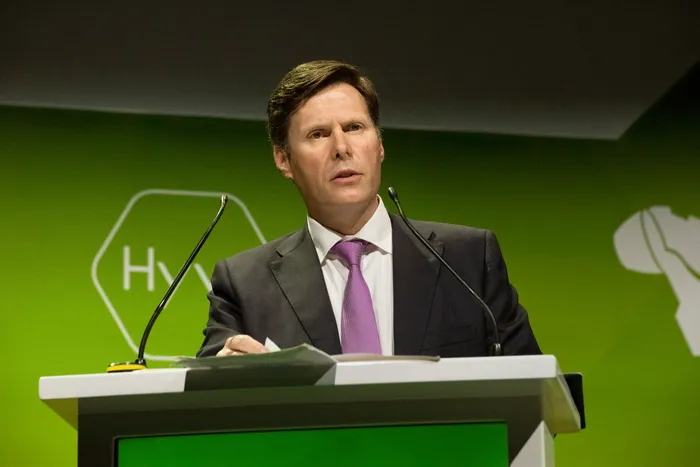
Chief Executive of the Anglo America Group, Duncan Wanblad.
Image: Rodger Bosch | AFP
Anglo American’s merger of equals with Teck Resources, being approved this week by the Government of Canada, marks another step in the group’s continuing transformation and adds momentum to a shift that has been underway for years.
The approval under the Investment Canada Act allows the two companies to proceed with the formation of Anglo Teck, which will be headquartered in Canada, with commitments to invest billions in Canada.
Despite this move, CEO Duncan Wanblad said the company remains committed to South Africa.
“We are all committed to preserving and building on the proud heritage of both companies, in Canada, as home to Anglo Teck's global headquarters, in South Africa, where our commitment to investment and national priorities endures, and across our entire global operational and commercial footprint.”
For South Africa, the announcement sits within a broader context of change.
Anglo American was founded in Johannesburg in 1917 by Ernest Oppenheimer and grew into one of the most influential corporate groups in the country’s history.
While mining lay at its core, Anglo’s footprint extended far beyond minerals, shaping large parts of the South African economy over the course of more than a century.
At various points, Anglo controlled or held significant stakes in companies across banking, manufacturing, agriculture, brewing and chemicals.
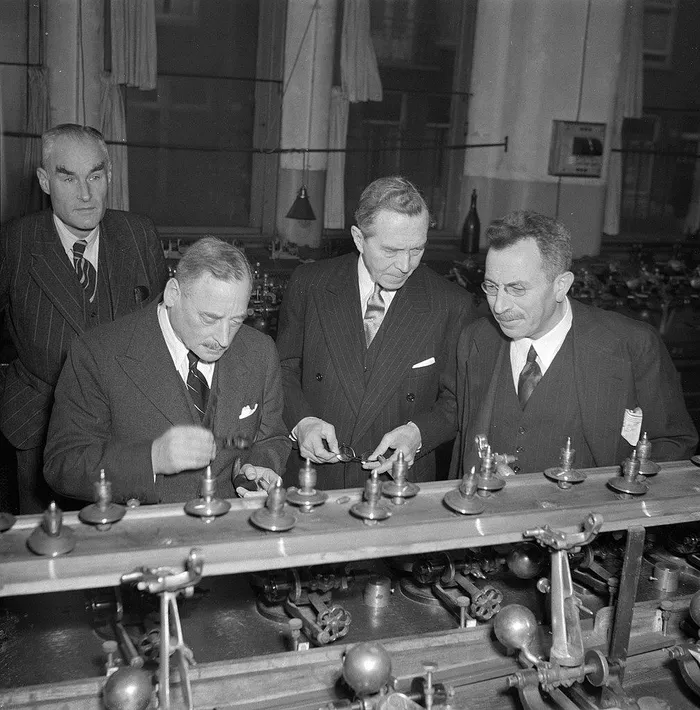
Sir Ernest Oppenheimer on a visit to Nederland.
Image: Wikimedia Commons
It established the Mondi Group, a timber, pulp and paper business that was later spun off in 2007. The group held a substantial stake in First National Bank, giving it a presence in South Africa’s financial sector, and owned AECI, a major player in chemicals, explosives and fertilisers.
Anglo also moved into industrial and manufacturing activities. Through Boart International, it was involved in industrial diamonds and abrasive products.
In the 1970s, it entered the automotive industry by taking control of Sigma, later Amcar, which eventually merged with Ford’s South African operations to form Samcor.
Its interests extended to brewing, with a significant shareholding in South African Breweries, and to agriculture through a stake in Tongaat Hulett.
Beyond South Africa’s borders, Anglo owned Tarmac, a construction aggregates and building materials business in Europe that was sold in stages between 2010 and 2015. Its wider historical portfolio also included the British South Africa Company, with mining and agricultural operations across parts of southern Africa.
Perhaps its most famous holding was in De Beers. De Beers' history began in either the late 1860s or early 1870s – history isn’t entirely clear – when a 21.25-carat diamond was discovered near the Orange River.
In 1999, Anglo American moved its primary listing to London, a decision that reflected its increasingly global investor base. In the years that followed, the group began simplifying its structure and unbundling businesses that had once formed part of a broad conglomerate model.
As it shifted its primary listing, it sought to comfort South Africans through marketing campaigns, Busi Skenjana recalls in her book “Stokvel Voices: The Truth, The Illusions & The Opportunities”.
The messaging focused on long-term commitment, shared value and sustainable change, as the company sought to explain its role and relevance in a changing social and economic environment.
The pace of portfolio change increased markedly after Anglo American rejected a takeover bid from BHP in May 2024. Shortly thereafter, the group formally announced a major asset divestment strategy.
Anglo American said it would sell its coal, nickel, diamond and platinum businesses, including its interests in De Beers and Amplats, and focus its future portfolio on copper, iron ore and crop nutrients.
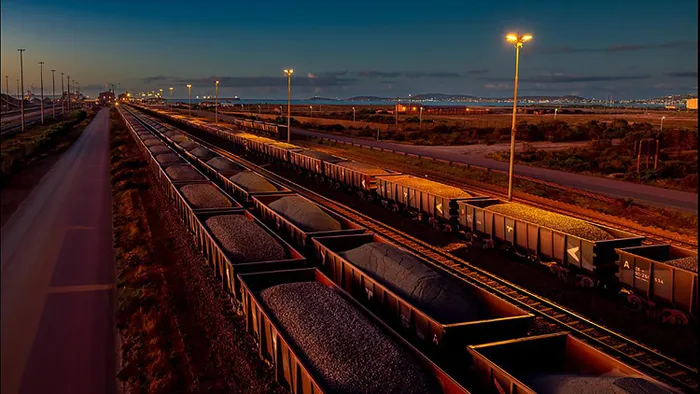
Kumba Iron Ore's Saldanha Bay Port at dusk.
Image: Anglo American
Formal selling processes for coal and nickel began in late May and June 2024, with a significant steelmaking coal transaction agreed with Peabody in November 2024. These steps were framed as part of a broader effort to simplify the business and concentrate capital on fewer commodities.
When it comes to Amplats, Anglo American did not fully exit its platinum business, but instead demerged it as part of a broader restructuring programme in 2024 and 2025. It created Valterra Platinum, in which Anglo American will retain a stake, although the company was listed on the JSE at the end of May.
For South Africa, Anglo American’s evolution reflects a company that has moved from being a locally founded conglomerate to a globally focused mining group. Its legacy remains embedded in many of the institutions and industries it helped build.
IOL BUSINESS