
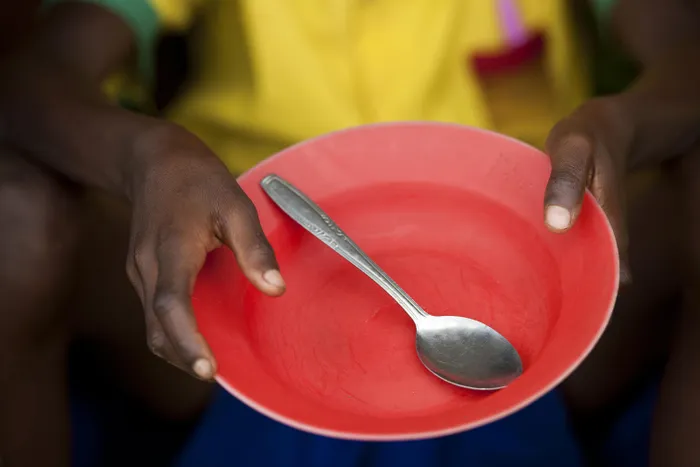
The unspoken struggles of adolescent girls navigating poverty and survival has been laid bare by a study from the University of Pretoria.
Image: Supplied
In the vibrant yet vulnerable landscape of South Africa, nearly 10 million adolescents grapple with the weight of survival amid systemic neglect. A new study from the University of Pretoria’s Department of Psychology lays bare the harsh truths of adolescent girls navigating poverty, food insecurity, and the life-altering consequences of transactional relationships. As these young women seek to fill their stomachs, they are often compelled to trade their safety for fleeting sustenance.
Across communities where resources are minimal, the pressures faced by adolescent girls become unbearable. pressures faced by adolescent girls become unbearable. Professor Eugene Lee Davids sheds light on the pervasive issue, stating, “Food insecurity doesn’t just mean going to bed hungry – it reverberates through every aspect of life, especially for girls in impoverished areas.” Within these confines, access to education, healthcare, and safe environments is alarmingly low, creating a terrifying cycle of vulnerability.
The repercussions of structural deprivation manifest in a tragic compromise: a full stomach borne from risky sexual favours.
Professor Davids explained how these dire circumstances breed desperation, leading to “transactional relationships with older men” that are highlighted by the prevalence of alcohol-fuelled underage gatherings in local taverns. Here, underage drinking is rampant, and alcohol becomes a currency, drawing adolescent girls into a world of risky behaviours that often leads to addiction, early pregnancy, and an increased risk of HIV infection.
“The implications are enormous,” warned Professor Davids. “If the root causes of these behaviours, such as food insecurity, aren’t addressed, the country risks squandering the potential of an entire generation.”
Despite existing frameworks and laws designed to protect adolescents, enforcement remains weak, and community inaction renders such policies largely ineffective. Unfortunately, laws like the Sexual Offences Act and the National Liquor Act frequently falter in their intent, allowing these young women to remain vulnerable.
"It is quite clear that addressing adolescent risk behaviours cannot be done in isolation," stressed Professor Davids. The consequences of ignoring this pressing societal crisis demand urgent collective action. Piecemeal solutions will not suffice; a comprehensive, community-based approach is essential.
Devising impactful strategies could alter the course for these adolescent girls. Initiatives may include:
"South Africa, and indeed the broader African continent, stands at a crucial juncture, with projections estimating an unprecedented population of adolescents by the year 2100. The need for immediate action cannot be overstated. Behaviours, beliefs, and outcomes formed during adolescence will shape the trajectory of individuals and, by extension, the future of our country,” said Professor Davids.
"Now is the time to confront these challenges head-on and safeguard the future of a generation."