South Africa's healthcare at risk: WHO's plan to fast-track medical training sparks controversy
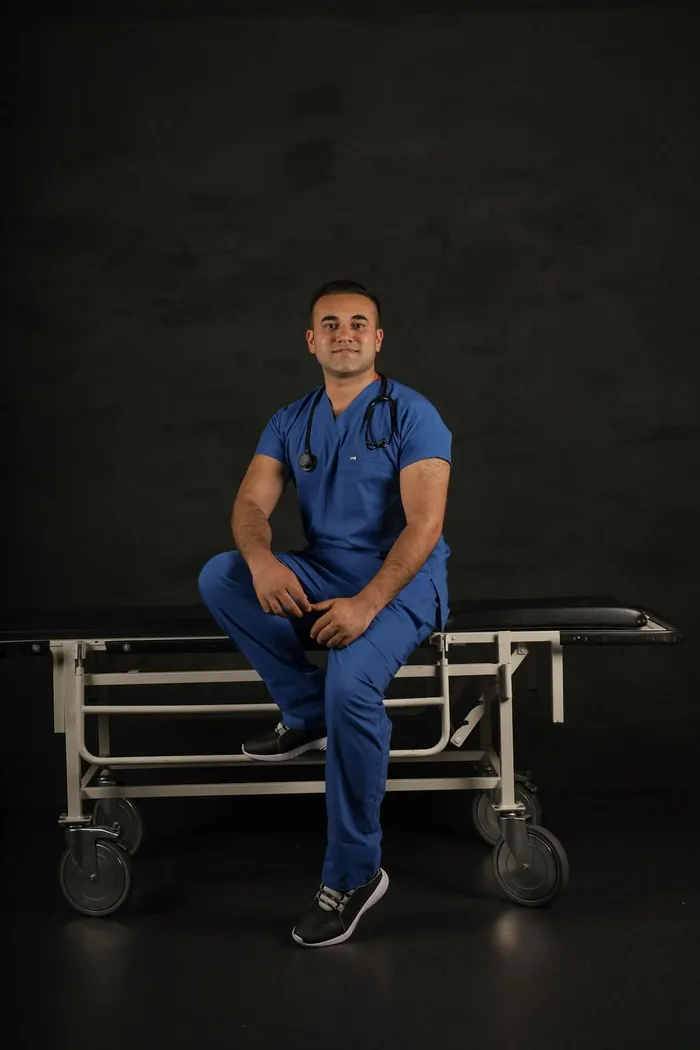
The question looms large: can we entrust the welfare of patients to doctors lacking essential training years? Or should we embrace the notion that a swifter educational model could still yield competent professionals?
Image: Zamirullah Kakar /pexels
Picture yourself in a hospital emergency room, relying on a doctor who just finished medical school and may not have had the thorough supervised training needed for safe, independent practice.
This unsettling possibility sets the stage for a heated debate, one provoked by a new curriculum proposed by the World Health Organisation (WHO) Regional Office for Africa.
The curriculum aims to accelerate the training of medical professionals to address Africa's healthcare shortages, but South African medical experts are raising serious concerns.
The new competency-based curriculum, unveiled by the WHO, integrates theory and clinical practice from the outset, aiming to graduate "work-ready" doctors more efficiently.
While this may seem like a win for countries facing critical healthcare worker shortages, South Africa’s health professionals, led by the South African Medical Association (SAMA), warn that this approach could compromise patient safety and inadequately prepare new doctors for the country's demanding healthcare environment.
South Africa is unique. Our doctors face some of the world’s most challenging healthcare realities, high trauma cases, rampant infectious diseases like tuberculosis and HIV, and chronic conditions like diabetes.
SAMA spokesperson Vezi Silwanyana is adamant that simply overhauling the curriculum isn’t enough. “A curriculum alone, without supervised postgraduate rotations, cannot fast-track graduates directly into independent practice”.
Currently, South African medical graduates complete an internship and a year of community service before they’re allowed to practice independently.
These supervised years are essential for bridging the gap between academic knowledge and clinical competence.
“Internships expose young doctors to emergency medicine, surgery, paediatrics, psychiatry, and more experience that simply cannot be replaced by classroom learning or simulations,” Silwanyana explains in a "TIMESLIVE" report.
Community service equips doctors with the skills to work in rural and underserved areas, ensuring healthcare equity.
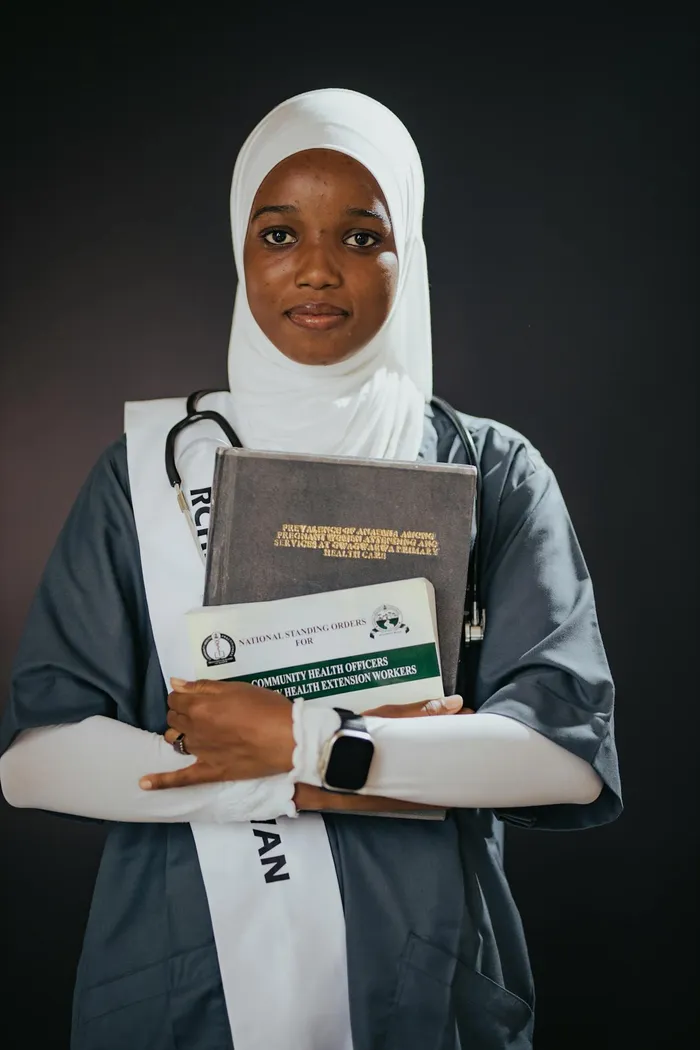
Are we risking patient safety with new medical training proposals? South Africa grapples with the alarming implications of fast-tracking medical education amidst healthcare worker shortages.
Image: Skylight Views /Pexels
The WHO’s model removes these postgraduate training years, suggesting that ongoing competency-based assessments during medical school can ensure graduates are ready for real-world practice.
But SAMA argues this approach ignores the complexities of practising medicine in South Africa, where high-stakes decisions and life-or-death challenges are a daily reality.
Competency-based training
Supporters of the WHO model defend it as an innovative way to prioritise skill over time. Professor Christmal Dela Christmals of North-West University, a member of the curriculum advisory committee, explains that competency-based training focuses on what students can do, not how many hours they’ve logged, reports MedicalBrief.
“If one student masters a skill in three hours and another needs 1,000 hours, they shouldn’t be treated the same”.
Under this model, theory and practice are intertwined from the start, with continuous assessments replacing the traditional high-stakes final exams.
The idea is to track students’ progress throughout their studies, ensuring they’re capable by the time they graduate. But critics like Silwanyana argue that no amount of classroom integration can replace the real-world exposure gained during internships and community service.
Even countries with advanced competency-based systems, like the UK, still retain supervised residency programmes. “No credible global system has eliminated supervised clinical training entirely,” Silwanyana asserts.
The debate around this curriculum comes at a time when South Africa is facing a paradoxical crisis: hundreds of unemployed doctors despite a healthcare system crying out for more hands. Social media users have echoed this frustration.
On Facebook, Emma Louise Barry-Cox sums up the sentiment: “Do we need to produce doctors faster? I thought we already had unemployed doctors. I’d rather wait longer to see a top-quality doctor than risk being treated by someone who rushed through training.”
The reality is that South Africa’s healthcare system has systemic issues that go far deeper than medical education. According to Silwanyana, the root cause of unemployed doctors is a failure in workforce planning.
“Doctors remain unemployed because funded posts are not being created at the rate required to meet national healthcare needs,” she says. Budget constraints, misaligned resource allocation, and inadequate forecasting are leaving qualified professionals without jobs.
Christmals, however, believes the new curriculum could improve workforce planning if the government commits to a “plan, train and retain” approach.
This would require guaranteed positions for graduates from the moment they enter medical school. But without addressing structural bottlenecks, critics warn that fast-tracking graduates could worsen unemployment, flooding the system with doctors it cannot absorb.
The introduction of competency-based training isn’t entirely foreign to South Africa. As Kwena Manamela, general-secretary of the Democratic Nursing Organisation of South Africa (Denosa), points out, nursing programmes have long required students to complete practical hours across specialised areas.
However, the stakes are higher for doctors, who make critical decisions in life-threatening situations.
“Not all African nurses can practise in Europe, whereas ours can. The training of doctors is also not uniform across Africa. Maybe minor adjustments have been made now, but we have been doing this all along,” he said
For the WHO, the curriculum represents a bold attempt to tackle Africa’s healthcare shortages. But in South Africa, where the healthcare system is already stretched thin, the risk of producing underprepared doctors could outweigh the benefits.