South Africa's economic outlook for 2026: Opportunities and challenges ahead
'NOTE OF CAUTIOUS OPTIMISM'
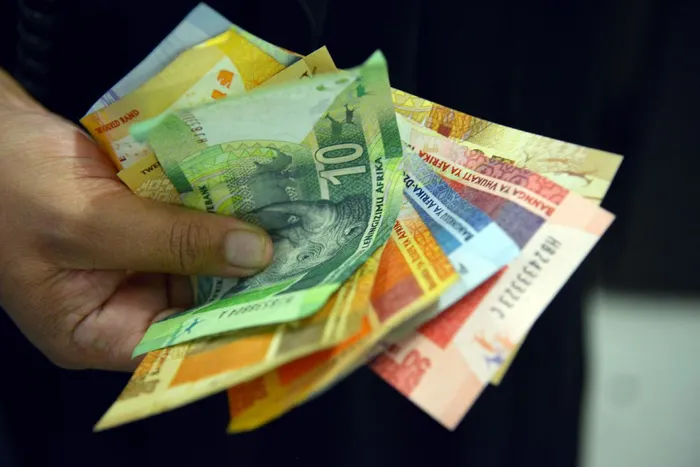
The GNU wants to see at least 3.5% GDP growth by 2030, driven by both consumer spending and fixed investment. Fixed capital investment as a growth driver in particular needs to be a much higher proportion of GDP. Boosting investor confidence is now the main key to unlocking higher job-rich growth.
Image: Karen Sandison Independent Newspapers
‘The SA economy has ended 2025 in a stronger and better position than it was a year ago. In the past few months, a number of positive developments have created what could be a turning point in the business cycle.
Based on the latest data available, the economy enters 2026 on a ‘note of caution optimism’ about the outlook for next year. SA has indeed been in an economic recovery phase this year, and a cumulative set of favourable factors promises better economic traction in 2026.
SA’s economic fundamentals therefore look firmer, and the groundwork for durable growth is being laid. In the third quarter of 2025, the economy showed its fourth consecutive rise in economic activity, albeit off a low base.
The GDP growth forecast for next year is now about 1.5%; inflation is projected to be close to the 3% inflation target; and interest rates are expected to decline further. Energy and logistical constraints are being gradually eased.
Recent developments also include lower inflation and easier interest rates, SA’s removal from the ‘grey list,’ a well-received Medium Term Budget Strategy (MTBPS), Standard & Poor’s raising of the country’s investment rating, a record gold price, and a stronger rand. The successful G20 recently hosted by SA was also a positive dynamic.
So far, these factors have helped to strengthen business confidence, build SA’s economic resilience, create more fiscal buffers, and stabilise public indebtedness amid adverse global headwinds, suchas aggressive US tariffs.
However, although these are necessary conditions for much higher economic growth, they are not sufficient ones. The MTBPS projection of 1.8% average growth over the 2026-28 period, while welcome, is still too low in light of SA’s socioeconomic challenges.
Current SA growth forecasts remain too modest compared to other emerging markets. SA needs to do better, especially if its growth performance could surprise on the upside.
The GNU wants to see at least 3.5% GDP growth by 2030, driven by both consumer spending and fixed investment. Fixed capital investment as a growth driver in particular needs to be a much higher proportion of GDP. Boosting investor confidence is now the main key to unlocking higher job-rich growth.
The welcome ‘green shoots’ of economic recovery that have been apparent in 2025 therefore require to be nurtured in the year ahead. Major capacity challenges in SA still require to be met at various levels to further support growth. SA also needs to shake off its reputation for high crime levels.
In the coming year, a sufficient number of firms must therefore feel that the policy environment and growth prospects justify them making fresh plans for expansion.
A litmus test of rising investor confidence in 2026 would be the extent to which companies can access any new investment opportunities and draw down on theover R1.8 trillion in cash deposits currently at their disposal.
Companies are not yet mobilising that cash in any significant way. In 2026 we therefore need an impulse, a jolt, and an acceleration in the pace of structural growth-friendly reforms to which the country is already committed.
Implementation should be the watchword - ensuring that growth-oriented reform commitments are irreversible and translated into tangible improvements in confidence, stability, investment, jobs, and service delivery. In 2026 SA’s economic steersmanship must therefore continue to keep the economy firmly on track, so that the tailwinds overcome any headwinds.’
Prof Raymond Parsons, NWU Business School