South Africa's water crisis: a lived reality demanding urgent reforms
PUBLIC HEALTH RISK
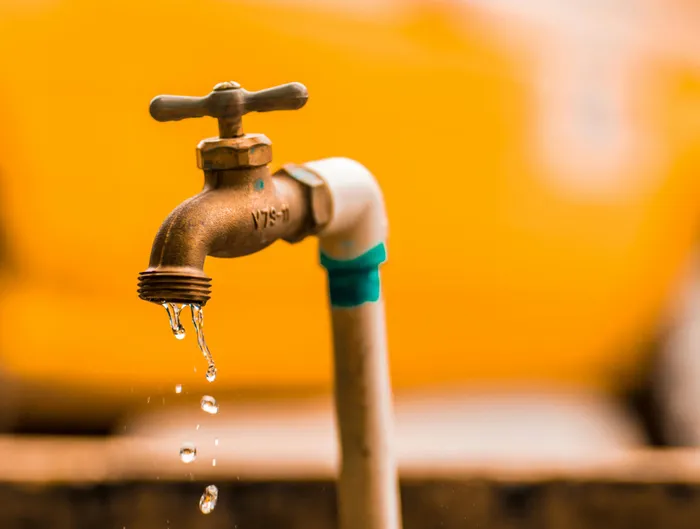
Leaks from ageing infrastructure and pollution of precious water resources mean urgent reforms are essential to salvage a struggling system. South Africans must hold their leaders accountable in the fight for a sustainable and safe water future, the writer says.
Image: Independent Media Archives
South Africa’s localised water crises are no longer looming threats but lived realities in many parts of the country. They are measurable, widespread and increasingly visible – destroying ecosystems, threatening public health and disrupting daily life in ways that can no longer be dismissed as isolated failures.
The recent briefing to Parliament by the Auditor-General of South Africa (AGSA), drawing on the country’s first fully consolidated audit of the entire water value chain, lays bare a system in deep distress. For the first time, audits of national departments, water boards and 135 Water Services Authorities (WSAs) were consolidated to present a single, coherent picture. What emerged was not merely one of financial mismanagement, but of weakened governance, failing infrastructure and escalating risks to human and environmental health – failures long warned about by experts.
Breakdowns are evident across the entire water value chain. While there are glimmers of competence – national entities such as the Department of Water and Sanitation and the Trans-Caledon Tunnel Authority receiving unqualified audit opinions – the overall picture remains bleak. The most severe failures occur at municipal level, where water services ultimately succeed or fail. Only 23 of 135 WSAs achieved clean audits, nearly half were financially qualified, and several received adverse or disclaimed opinions.
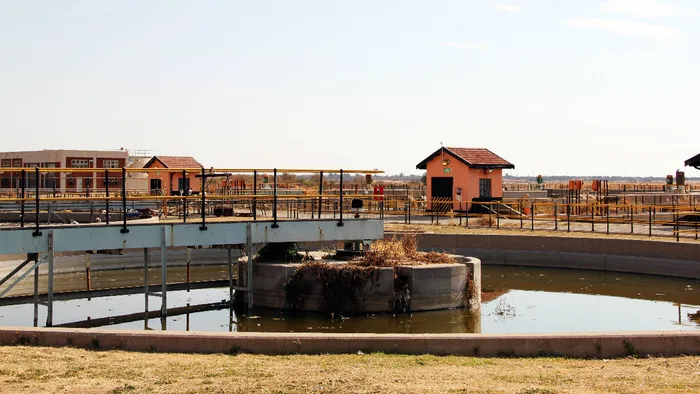
Too many wastewater treatment plants fail effluent requirements, resulting in untreated or poorly treated sewage flowing into rivers, groundwater, and coastal environments and posing risks to both public health and the environment.
Image: Sandi Kwon Hoo / DFA
Particularly concerning is that a quarter of WSAs had no Water Services Development Plans at all, undermining any prospect of long-term, sustainable service delivery. AGSA was clear: weak or absent planning compromises budgeting, maintenance, oversight and accountability. The consequences are visible throughout the system.
Infrastructure projects are, on average, delayed by nearly three years. Municipalities spend just 3% of asset value on maintenance – far below the 8% benchmark –resulting in water losses estimated at almost R15 billion annually, increased reliance on emergency water tankering, and infrastructure operating well beyond its design life.
Water quality failures are perhaps the most alarming. Nearly half of drinking water systems do not meet basic microbiological safety standards, while almost all wastewater treatment plants fail at least one effluent requirement. Untreated or poorly treated sewage continues to enter rivers, groundwater and coastal environments, with the Auditor-General warning of “near-catastrophic” environmental consequences. This is not a technical or regulatory issue alone – it is a direct public health risk.
Compounding these failures is entrenched financial misconduct and weak consequence management. AGSA identified more than R1.7 billion in material irregularities, including payments for work not done, environmental non-compliance and failures to recover revenue. While recovery processes have begun in some cases, progress remains slow and uneven.
Parliament’s Portfolio Committee on Water and Sanitation described the findings as disgraceful, alarming and unacceptable. Calls for stronger oversight, potential criminal liability for municipalities that pollute water resources, and even a commission of inquiry into municipal water failures were raised – measures that appear increasingly necessary. Yet urgency alone will not resolve the crisis.

Prof Anja du Plessis: Water Management Expert and Associate Professor from Unisa.
Image: Supplied
South Africa’s water challenges are the result of systemic governance breakdowns: weak planning, inaccurate billing, neglected maintenance, fragmented accountability and delayed or absent consequences. Communities are left to absorb the cost through unsafe water, failing services and degraded, unsafe environments.
AGSA’s proposed path forward is clear and achievable, but sustained improvement will depend on political will, accountability and co-ordinated action across the water sector itself and others. All hope is certainly not lost as South Africa has the skills, experience and practical solutions required to address these challenges. However, the continued lack of accountability and meaningful consequences cannot persist – particularly where service failures force communities to endure unsafe and/or polluted water, or no water at all. South Africa’s scarce water resources can no longer be treated as dumping grounds and open sewers, at the expense of public health, dignity and a safe environment.
* Prof Anja du Plessis is a Water Management Expert and Associate Professor from Unisa
** The views expressed do not necessarily reflect the views of IOL, Independent Media or the Independent on Saturday.