Kimberley residents frustrated as Sol Plaatje Municipality struggles with burst pipes and service delivery
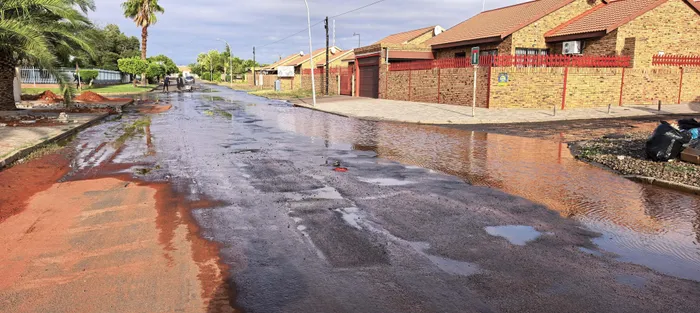
Kimberley’s ageing water infrastructure continues to fail, but residents say the real issue is slow response and wasted water. Political infighting and budget strains at Sol Plaatje Municipality are leaving ratepayers frustrated and concerned.
Image: Danie van der Lith
IN RECENT months, residents across Kimberley have grown accustomed to the sight of water streaming down their streets. Burst pipes have become a near-daily occurrence, particularly in suburbs such as Riviera. Ageing infrastructure is an undeniable reality. No one disputes that pipes laid decades ago will eventually fail. What is increasingly difficult to accept, however, is not the bursting of the pipes but the response from the Sol Plaatje Municipality.
On Sunday, a pipe burst in Riviera and flooded several yards. Eventually, municipal teams arrived and repaired the leak. That in itself was encouraging.
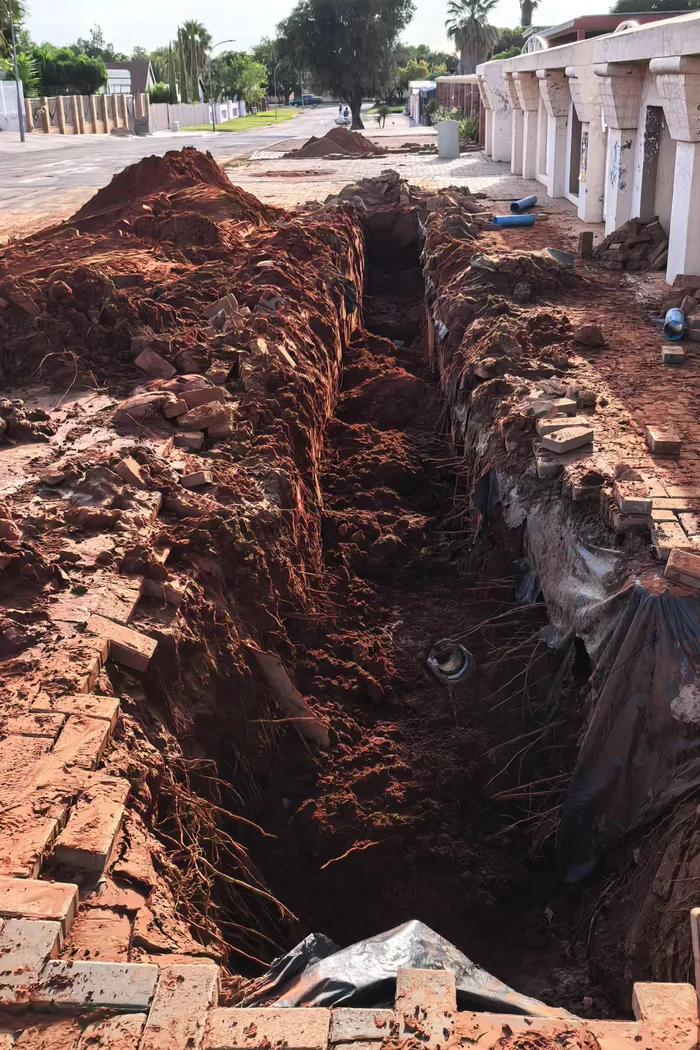
Sol Plaatje Municipality eventually came to repair the burst pipe. Only time will tell how long the repair will be left like this.
Image: Danie van der Lith
But by early Monday morning, another pipe had burst, this time gushing from beneath the road surface. The fault was reported at 00:42 and again at 04:20. By 08:00, water was still surging unchecked, carving a path down the street.
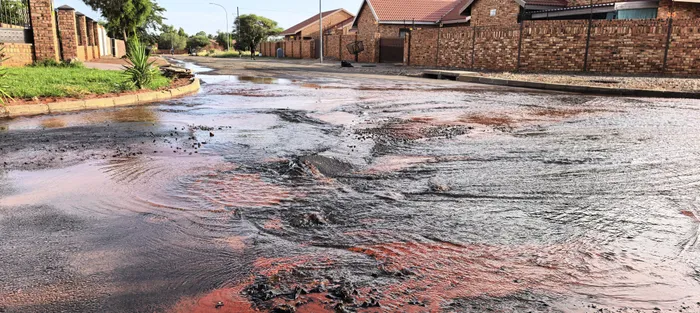
The surface of the road in Limpopo Street was lifted as water gushed out from another burst pipe on Monday morning.
Image: Danie van der Lith
The question residents keep asking is simple. Why can the water not be shut off while preparations are underway? Even if repairs take time, surely isolating the line would prevent the continued loss of clean drinking water. Instead, thousands upon thousands of litres are left to waste. In a water-scarce province, that sight is not only frustrating but alarming.
Riviera alone has experienced at least four or five bursts in the past weeks. Each incident sends potable water flowing into storm drains and across tarred roads. Meanwhile, many ratepayers have complained that their water accounts spiked sharply over December and January. Someone is footing the bill for this loss, and residents suspect it is them.
When there is visible commitment, it shows. There have been moments when response teams acted swiftly and efficiently. But too often, what residents see is water running for hours, sometimes days. That erodes trust.
Beyond infrastructure lies a deeper concern. The municipality appears trapped in political infighting, with decisions that prioritise short-term appeasement over long-term sustainability. Absorbing every casual worker into permanent employment may sound compassionate, but without economic growth and improved revenue, such measures strain an already stretched budget. When a growing portion of funds is spent on salaries rather than maintenance and service delivery, the consequences surface in broken pipes and slow response times.
Sol Plaatje Municipality is in trouble. Service delivery is the most basic contract between a municipality and its residents. If that contract continues to fray, public frustration will only deepen. Ultimately, ratepayers fund the system. Without them, there are no salaries to pay and no budgets to allocate.
It may well be time for residents to raise their voices, not out of hostility, but out of necessity.