New insect species discovered in Richtersveld highlight global biodiversity significance
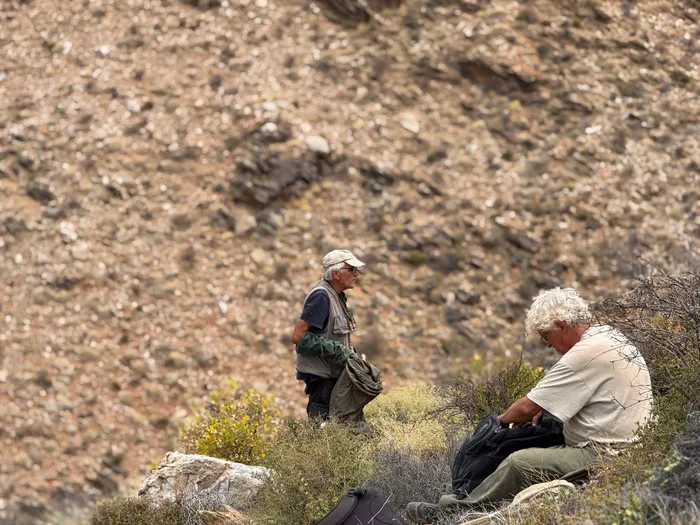
Newly discovered soil dwelling insects in the Richtersveld, including species named Nama vanwyki and Richtersveldiella sanparkensis, highlight the region’s exceptional endemism and reinforce the importance of continued scientific research and conservation in this unique landscape.
Image: Supplied
In 2020, a scientific publication on ResearchGate highlighted the formal description of a new genus of soil dwelling insects discovered in the Richtersveld. The genus, named Nama in honour of the Nama people, underscored the deep connections between science, culture and conservation in this ancient landscape. Notably, the sampling sites, areas not previously regarded as biodiversity hotspots, yielded species entirely new to science, raising an important question about what other discoveries might still lie hidden in the remote corners of the region.
This curiosity led to collaboration with renowned entomologists Dr Massimo Meregalli of Italy and Dr Roman Borovec of the Czech Republic, both specialists in flightless weevils. After five years of planning, permits and logistical coordination, the team returned to the Richtersveld to explore the Armmanshoek Valley, an area with no prior recorded soil insect studies. Research on flightless weevils is meticulous and physically demanding, requiring the careful sifting of soil and plant litter beneath shrub canopies. Beyond fieldwork, thousands of hours are dedicated to laboratory analysis, including microscopic examination, DNA sequencing and taxonomic classification to better understand species distribution, ecological roles and conservation needs.
The findings once again affirmed the Richtersveld as a global hotspot for endemism. Previous botanical and zoological studies have consistently highlighted the park’s exceptional concentration of endemic plant and reptile species. This remarkable biodiversity is shaped by ancient geology, long term climatic stability and the convergence of four biomes: Nama Karoo, Gariep Desert, Succulent Karoo and Fynbos, all within a narrow transition zone between winter and summer rainfall systems.
Despite challenging field conditions, including a difficult vehicle recovery on a remote mountain pass, the expedition proved scientifically rewarding. Several new species were discovered in a single day of sampling at Armmanshoek and were subsequently described in a peer reviewed publication. Among these were Nama vanwyki and Richtersveldiella sanparkensis, the latter marking the first insect species named in recognition of SANParks and Richtersveld National Park, creating a lasting scientific legacy for conservation in South Africa.
The discoveries have reinforced the importance of continued multidisciplinary research in the region. The isolated mountain peaks of the Richtersveld, functioning like ecological islands, are likely to harbour additional unique species awaiting discovery. The Richtersveld stands as a powerful reminder that even in the harshest environments, extraordinary and largely unseen biodiversity persists, inviting ongoing exploration, collaboration and conservation commitment.
Pieter Van Wyk is the Nursery Curator at Richtersveld National Park, South African National Parks.