Essential tips for staying safe from vehicle hijackings in South Africa
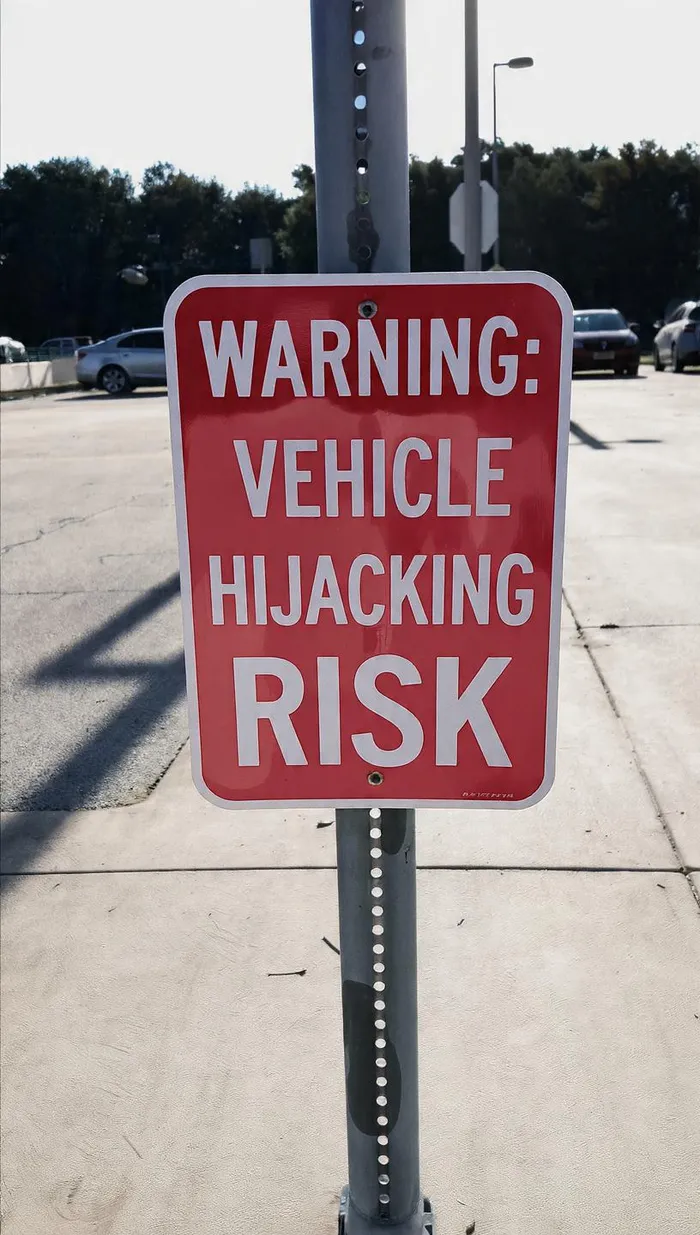
Over 20,000 vehicle hijackings occur in South Africa each year. Experts reveal practical tips on staying vigilant at intersections, driveways, and more to reduce risks and protect yourself and your family.
Image: Lance Fredericks / created with Meta AI
It’s worrying that this feature is even necessary, but with over 20,000 vehicle hijackings in South Africa each year — roughly 60 every day — remaining vigilant goes beyond being just advisable, as it may be essential for survival.
According to IOL’s Jason Woosey, around half of all hijackings occur in Gauteng, with Fridays between 4pm and 8pm being particularly risky, Tracker reports. Even outside of Gauteng, paying attention to your surroundings and avoiding behaviour that makes you a target can reduce the risk of being hijacked, experts say. Knowing how to respond if approached by hijackers is equally important.
“Although hijacking is not unique to South Africa, there is more violence associated with it in this country than there is in other parts of the world,” Eugene Herbert, CEO of MasterDrive, said.
Stay alert at intersections
Herbert warns that intersections can be particularly dangerous. Drivers are often distracted, checking phones instead of focusing on their surroundings. He advises motorists to check mirrors regularly, minimise time spent stationary by coasting slowly toward red lights, and leave escape routes where possible.
Driveways remain the most dangerous spot
Worryingly, 70% of hijackings happen in driveways. That’s why motorists should be especially vigilant when returning home, watching for vehicles that appear to be following. Herbert recommends driving around the block if you suspect someone is tailing you.
If the vehicle remains behind, head to a public, secure area like a busy shopping centre with cameras.
Avoid coming to a dead stop in your driveway if other vehicles are nearby, as this increases risk. If your gate is automatic, stop on the road parallel to it to keep an escape route open. Once the gate is fully open, turn in, stop on the far side, and wait for it to close. Experts caution against allowing someone to follow you onto your property, as a hijacking could escalate into a house robbery.
Motorists returning from shopping trips should also be cautious, as thieves often assume people are heading home. Herbert adds: “Don’t be the typical victim, because that’s who they want you to be, and they watch for people who are like that.”
Handling a minor collision from behind
If your car is lightly bumped from behind, the NHPA advises against pulling over immediately. If the impact hasn’t damaged the vehicle and you suspect a threat, signal the car behind to follow you to a safe location, such as a petrol station or police station.
Dealing with potential fake police
With the frequency of criminals impersonating police officers, it would be safer if, when a vehicle with a blue light is following you, to reduce your speed, switch on emergency lights, and signal clearly that they must follow you to a secure place such as a police station.
Do not drive home under any circumstances, the NHPA warns.
Steps to take if you are hijacked
Even the most vigilant driver can fall victim to a hijacking.
Herbert’s top survival tip: don’t try to be a hero. “Just because you saw someone else foiling a hijacking on a viral CCTV video, doesn’t mean you’ll escape with your life. Throwing your keys into the bush if you are boxed in is tantamount to suicide.”
Hijackers may be nervous or under the influence of substances, so avoid sudden movements. Herbert advises unfastening your seatbelt with your left hand — the right hand often handles weapons — and keeping your right hand visible.
Undo the belt carefully, lead it back to avoid it snapping, leave the car running unless told otherwise, and exit while moving along the side of the car to keep distance.
Retrieving children safely
If a child is in the vehicle, either reach between the seats to get them, or exit the car and open the door behind you immediately. Step in with your right leg and lean across to retrieve the child, the NHPA advises.
Lucy Sekgotodi, spokesperson for the Hawks, stresses: “Remember, your life is worth more than your vehicle. Do not antagonise or aggravate the hijacker(s). Do not resist. Avoid making eye contact, the hijacker may perceive this as a threat.”