South Africa's renewable energy sector: Navigating job creation and skills development
DELICATE EQUILIBRIUM
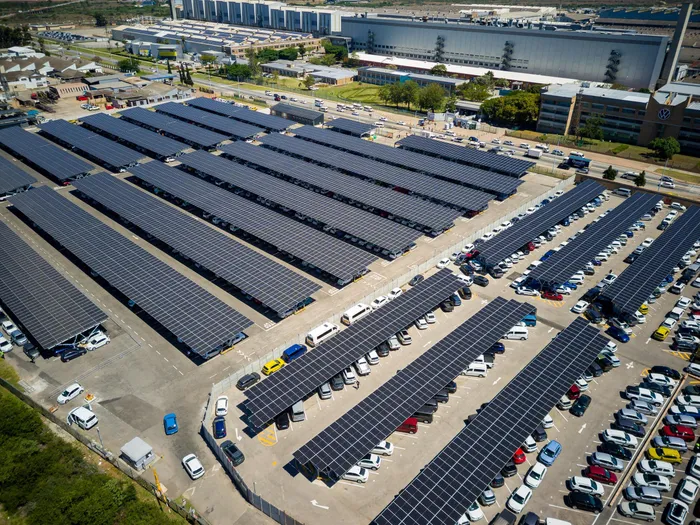
The clean energy transition is creating new roles, redefining old ones, and demanding fresh skills in areas like cybersecurity, data analytics, and energy trading. Building a long‑term talent pipeline is essential to ensure the sector delivers both innovation and inclusive growth.
Image: Supplied
In an era defined by rapid industrial change, South Africa's renewable energy sector has emerged as a beacon of progress during difficult times for traditional infrastructure. Amid challenges, this sector is not just investing in cleaner sources of power; it is reshaping the landscape of employment, driving innovation, and aligning with global best practices. Yet, despite its profound potential for transformation, the industry continues to face crucial gaps in employment and skills development, says Alicia Dean, Head of People and Group Services at SOLA Group.
Currently, the numerical reality of job creation in the renewable energy sector remains stark, she says. While approximately 6,000 permanent jobs have been established, the majority are temporary positions, primarily tied to the construction phases of energy projects. The transition from short-term work to sustained, permanent employment remains elusive, leaving many skilled workers in a state of uncertainty as their expertise fails to translate into long-term job security.
Dean says another pressing concern is the country’s alarmingly high unemployment rate, which directly influences the integration of modern technologies like automation and robotics. Although these advancements might revolutionise the sector elsewhere, their adoption in South Africa raises ethical dilemmas. With many relying on existing jobs for their survival, the challenge lies in balancing progress with the need for inclusive growth that does not leave anyone behind.
This delicate equilibrium has given rise to a distinctly South African approach to the clean energy transition, one that strives to harmonise modernisation with the principles of employment and economic participation, says Dean. The evolving face of the renewable energy workforce now encompasses new skills requirements and roles that reflect the complexities of contemporary energy projects.
The shift towards large-scale renewable energy deployments has started a demand for specialised skills. Notably, many of these roles are not entirely new; they are extensions of existing responsibilities, says Dean. As solar and battery installations transition from development to operational stages, there is a burgeoning need for asset managers, performance analysts, operations and maintenance specialists, and grid engineers. These professionals play crucial roles in ensuring the effective operation of energy plants throughout their lifecycle.
In our increasingly digital world, cybersecurity has also emerged as a critical issue within the renewable energy sector, Dean says. Modern energy facilities use cutting-edge control and networking technologies enabling remote monitoring and data collection. The need to protect these systems is imperative, as any downtime can lead to significant financial and operational consequences. Consequently, there is a growing demand for cybersecurity training to safeguard these vital assets. Furthermore, the rise of intelligent systems has increased the need for analytics and data management professionals who can inform decision-making at all levels, significantly influencing plant performance and operational risks.
As the South African Wholesale Electricity Market (SAWEM) unfolds, the demand for talent is set to evolve further, Dean predicts. Skills associated with energy trading, day-ahead forecasting, and financial modelling — established in Europe — are relatively new in South Africa. This shift towards a more open market presents opportunities for significant skills transfer from the financial services sector, which could bolster capacity within the renewable energy field.
The sector is also drawing experienced professionals from traditional heavy industries like mining and oil. These individuals seek meaningful work that contributes to energy security and climate resilience. Engaging with this sector’s mission to pave the way for a cleaner future resonates strongly with many, although the thrill of innovation and problem-solving also serves as a powerful draw.

Alicia Dean, Head of People and Group Services at SOLA Group
Image: Supplied
Achieving this balance is crucial for the sector’s long-term success. To build a sustainable talent pipeline, it is essential to recognise the diverse fabric of society, fostering skills development opportunities that are inclusive of all communities, says Dean. While internship and vacation-work initiatives offer exposure for young individuals, they currently fall short of meeting the expansive national demand for specialised renewable energy skills. Utility-scale projects continue to create an abundance of short-term employment, yet the long-term opportunities in operations and maintenance roles remain limited.
As the sector grapples with the need for scarce skills in high-pressure environments, companies must strive to cultivate workplaces where individuals can grow and excel, Dean advises. Organisations should integrate values into their performance systems, reinforcing that how work is done is as critical as what is delivered. This balance between deep technical expertise and a proactive stance towards complex challenges forms the backbone of the industry's strength.
As the clean energy transition unfolds, new job categories are emerging, while existing ones are being redefined. This evolution is broadening opportunities, but it also demands fresh skills, innovative mindsets, and collaborative approaches. For the companies and communities engaged in this transformative journey, prioritising skills development across South Africa is not merely a duty, it's an open door to a myriad opportunities waiting to be seized.
IOS