Kimberley hit by another water interruption as Riverton electrical fault disrupts supply
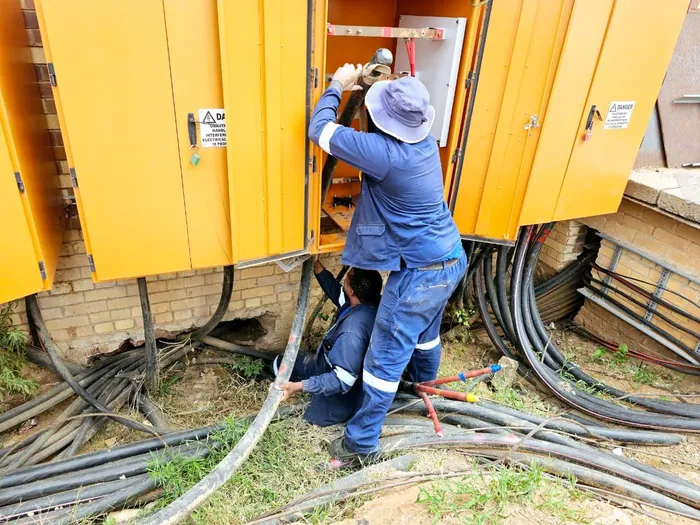
Kimberley residents face ongoing water supply disruptions as electrical faults at Riverton Water Treatment Plant halt production again. Ageing infrastructure, power failures and inadequate capacity continue to strain a system already battling burst pipes and chronic shortages.
Image: Sol Plaatje Municipality
KIMBERLEY residents once again found themselves without reliable access to water after an electrical fault at the Riverton Water Treatment Plants forced a supply interruption on Sunday, deepening frustration in a city already grappling with regular shutdowns and chronic shortages.
In a public notice issued at 1.45pm on Sunday, the Sol Plaatje Municipality confirmed that both Kimberley and Riverton were affected by the outage linked to electrical infrastructure at the treatment works.
Municipal spokesperson Thabo Mothibi said progress was being made on repairs.
“Switch over on cables complete. Pressure testing is being undertaken to ensure the new cable is safe, strong, and free from faults before being laid underground in service,” the statement read.
According to the municipality, one end of the cable has been completed at the old Riverton Water Treatment Plant. Electricians are finalising the last termination at the new Riverton Treatment Plant transformer. Once the changeover process is complete, electrical supply to the plants will be restored.
The next update, the municipality said, will focus on the restoration of the power supply.
And sure enough, at around 3pm came the statement: "Our electricians, with the support of contractors, have successfully repaired electrical faults that had throttled the supply of water from Riverton Water Treatment Plants to Newton Reservoirs ... Line filling of the water supply from Riverton to Newton Reservoirs is in progress."
The statement assured residents that "It will, at the most, take two hours for the water supply to reach Newton Reservoirs."
While the update offered reassurance, many residents remain wary after repeated interruptions in recent months.
A system under strain
For many residents, however, the latest interruption is part of a worrying pattern rather than an isolated incident.
In recent months, Kimberley has experienced repeated water shutdowns linked to electrical failures, burst pipes and challenges at the Riverton purification plant. Entire neighbourhoods have been left dry for hours and sometimes days, placing pressure on households, businesses, schools, and health facilities.
The core of the problem lies at Riverton, where water is treated before being pumped into the city’s reservoir system. When electricity fails at the plant, production stops immediately. Without power, no treated water enters the system.
The knock-on effect is significant. The Newton Reservoirs are switched off when supply from Riverton stops in order to avoid depletion. Under normal circumstances, reservoirs are intended to store sufficient water to buffer short-term interruptions.
In Kimberley’s case, however, residents and local water practitioners say the system increasingly functions less as a storage buffer and more as a near-direct feed to consumers. This is because treated water from Riverton is often distributed almost as soon as it enters the reservoirs, leaving limited reserve capacity when production is interrupted.
When power trips or electrical faults occur at Riverton, levels in the reservoirs drop rapidly. Areas situated at higher elevations are often the first to run dry.
Growing frustration
Sunday’s notice once again left residents waiting for clarity on when taps will run normally. While the municipality said it could take up to two hours for water to reach Newton Reservoirs, residents remained uncertain about when normal supply would stabilise across all affected areas.
For a city already battling ageing infrastructure and ongoing service delivery complaints, each new interruption further erodes public confidence.
With electrical repairs now entering their final stages at Riverton, residents are hoping that restoration of power will bring at least temporary relief. Yet many fear that until long-term upgrades are implemented and production capacity at Riverton matches Kimberley’s growing demand, the cycle of shutdowns and shortages will continue.