Northern Cape reserves foot-and-mouth vaccines for emergencies
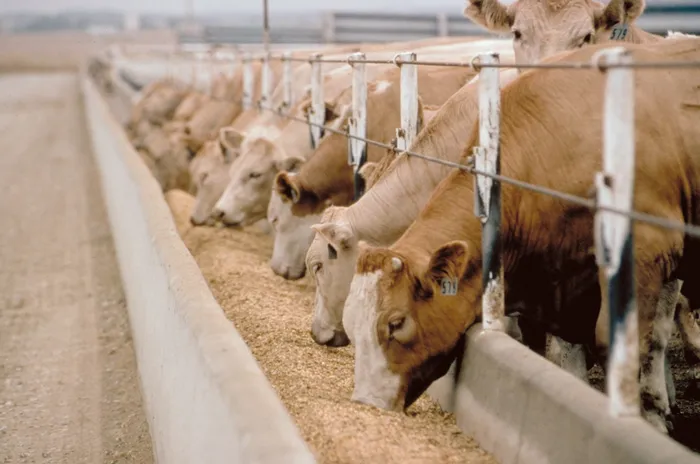
Farmers and agri-businesses have been advised to closely monitor livestock for foot-and-mouth disease infections.
Image: File picture
WHILE the Department of Agriculture, Environmental Affairs, Rural Development and Land Reform is on high alert for foot-and-mouth disease (FMD) outbreaks in the province, it has indicated that vaccines are reserved for emergency cases.
The Northern Cape is currently the only province in the country that has no reported cases of infected livestock.
The spokesperson for the MEC for Agriculture, Environmental Affairs, Rural Development and Land Reform, Stephen Galane, said vaccines for foot-and-mouth disease were state-controlled.
“Vaccines are primarily distributed in high-risk areas as part of outbreak containment measures. It is not routinely administered in provinces such as the Northern Cape that remain disease-free, as routine vaccination may compromise disease-free trade status. Vaccines are reserved for emergency use to contain outbreaks, protect buffer zones and reduce viral spread.”
Galane said the movement of infected livestock is a primary cause for the spread of the disease.
“While movement is not entirely prohibited, strict controls apply. Prohibition applies specifically to animals originating from farms or properties placed under quarantine. The department is also supporting the development of strengthened animal traceability and movement control protocols to improve oversight and enforcement.”
Surveillance and precautions intensified
He said that livestock entering the borders of the province were required to comply with regulated movement conditions.
"Owners must declare the health status of animals in accordance with gazetted requirements. Confirmation must be provided that animals have been resident at the farm of origin for at least 28 days. Assurance must be provided that animals display no clinical signs attributable to foot-and-mouth disease, and that no new symptoms occurred in the herd before the date of transportation.”
Galane added that auction facilities and livestock transport vehicles are required to be thoroughly cleaned and disinfected before and after offloading animals.
“Auction houses must implement routine sanitation procedures, controlled animal handling systems and effective access management measures to prevent cross-contamination between animals from different origins. Designated biosecurity officers and auction management are expected to ensure compliance. The department conducts periodic inspections to ensure adherence to biosecurity standards.”
He said all animals that were slaughtered at registered abattoirs were compelled to undergo compulsory ante-mortem and post-mortem inspections conducted by qualified meat inspectors and veterinarians.
“Any animal displaying clinical signs consistent with foot-and-mouth disease is immediately isolated, tested and reported in line with statutory disease control protocols. These measures ensure early detection and prevent potentially infected products from entering the food chain.”
He said the department was “actively safeguarding through comprehensive preventative and biosecurity measures”.
“Foot-and-mouth disease is a highly contagious viral disease affecting cloven-hoofed animals, including cattle, sheep, goats and pigs. While it poses minimal risk to human health, its economic consequences are severe, particularly for provinces with strong livestock economies. An outbreak would result in immediate livestock movement restrictions, disruption of auctions and abattoirs, and potential loss of export markets.”
Regulated meat is safe for consumption
He stated that in response to the outbreak across the country, regular farm inspections were conducted by state veterinary officials.
“Awareness and education programmes were held for livestock owners and farmworkers. Veterinary Services are closely monitoring high-risk areas such as livestock movement routes, abattoirs and auction facilities, given the close proximity to affected provinces and their shared international borders.”
Galane indicated that foot-and-mouth disease did not pose a significant public health risk.
“It is not regarded as a food-borne disease in humans. Meat that has been properly inspected and processed at regulated slaughter facilities under veterinary supervision is safe for human consumption.”
He encouraged livestock owners, transporters and auction operators to remain vigilant for common clinical signs of foot-and-mouth disease, including fever, excessive salivation, blisters or sores on the mouth and hooves, lameness, reduced feed intake or milk production.
“Any suspected cases must be reported immediately to the nearest state veterinarian to enable rapid investigation and containment. The Northern Cape Department of Agriculture, Environmental Affairs, Rural Development and Land Reform remains committed to protecting the Province’s livestock industry, rural livelihoods and economic stability through proactive prevention, strengthened surveillance and coordinated enforcement measures.”
Foot-and-mouth disease can destroy the economy
FF+ provincial leader Dr Wynand Boshoff stated that the disease posed an economic crisis for rural towns that were primarily dependent on agriculture for their economic survival.
He said farming operations stood to close if they were unable to sell their livestock.
“This, in turn, affects the cash flow of the whole town. Government ought to have the financial resources to cover the costs of procuring, distributing and administering vaccines.”
He believed that banks should offer lenient credit arrangements and that business rescue options should be made available to affected farmers.
“Losses incurred due to a natural disaster are not mere operational losses and can irrevocably destroy the economy,” Boshoff said.
The DA's provincial spokesperson on Agriculture, Environmental Affairs, Rural Development and Land Reform, Reinette Liebenberg, urged the department to step up efforts to prevent the spread of the disease.
“With confirmed outbreaks in three neighbouring provinces, the FMD status is fragile and cannot be taken for granted. Concrete measures are being implemented to strengthen biosecurity, regulate animal movement, and ensure that the Northern Cape’s foot-and-mouth disease-free status is actively protected.”