Hyundai Grand i10 and Suzuki Ertiga safety ratings: Why these cars can be deadly
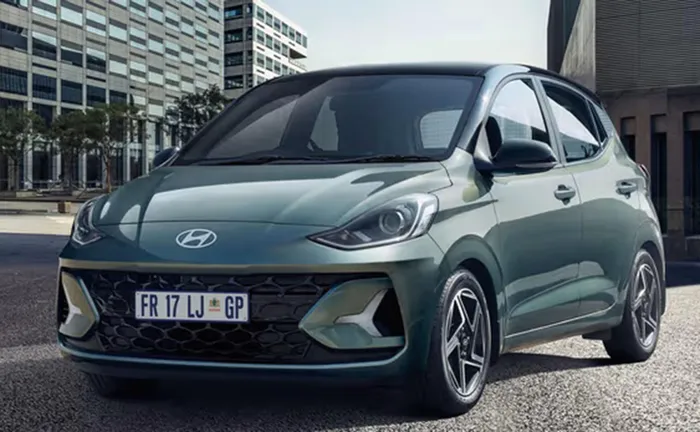
The Hyundai Grand i10 scored zero stars for adult safety in NCAP crash tests, raising serious concerns for first-time buyers and ride-hailing drivers who rely on the model for affordable daily transport.
Image: Hyundai
IN A CROWDED dealership, a young couple sits across from a sales consultant. They are just starting their family together, so their budget is tight. They want a car that is reliable, affordable, and practical.
They ask about fuel economy, service costs, and space. The salesman shows them all the nice features, and they ask their own questions, questions that will make or break the deal. What they do not ask, and what the consultant does not offer, is the one detail that can determine whether they walk away from an accident or become another roadside statistic: the car’s safety rating.
The vehicle they are considering, the Hyundai Grand i10, recently made headlines for a reason that has nothing to do with performance or styling. In Global NCAP testing, it received zero stars for adult occupant protection. Not one. Not two. Zero.
In the same market sits the Suzuki Ertiga, a popular multipurpose vehicle favoured by families and ride-hailing drivers. It scored only one star in the same tests.
For many buyers, NCAP ratings are just numbers. For crash safety experts and informed consumers, however, they are a blunt warning: in a serious collision, occupants of these vehicles face far greater risk than those in higher-rated cars, and your chances of serious injury and even dying are far greater.
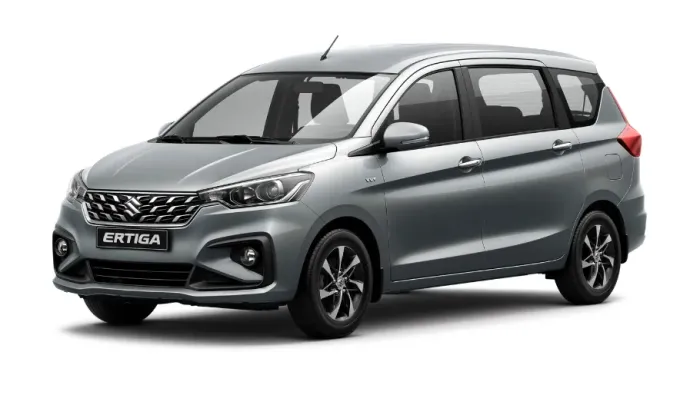
The popular Suzuki Ertiga scored a 1 star NCAP rating.
Image: Suzukiauto
What NCAP Means and How It Is Tested
NCAP stands for the New Car Assessment Programme. It is an independent crash testing system used worldwide to evaluate how well a vehicle protects occupants in accidents. The goal is simple: to provide clear, comparable safety information to consumers.
Testing includes:
Frontal impact tests: A car is driven into a barrier at a specified speed to measure injury risk to adult and child dummies.
Side impact tests: A moving barrier or pole strikes the car from the side to simulate real-world collisions.
Safety technology checks: Assessors verify whether systems like electronic stability control, seat belt reminders, and multiple airbags are present and effective.
The results are converted into a star rating from zero to five. A higher number means better crash protection. A lower number means the vehicle is likely to cause serious injury in a crash.
A zero-star rating indicates minimal protection, while one star indicates only basic protection.
The Hyundai Grand i10: Zero Stars and Real Risk
In the Grand i10, the tests revealed significant weaknesses. The car’s structure failed to protect the passenger compartment, which is designed to remain intact during a crash to keep occupants safe.
Richard Woods, CEO of Global NCAP did not mince words. “It is unacceptable to see the continued double standard on safety in low- and middle-income countries. Democratising vehicle safety in Africa is a Global NCAP priority, and consumers deserve safer vehicles regardless of where in the world they live.”
The Grand i10 also lacks many essential safety features that are considered standard in other markets, including side airbags and electronic stability control. This makes it particularly vulnerable in side impacts and loss of control situations.
In practical terms, the car may feel safe on the road. It may drive well. But the tests show that if an accident happens, the occupants are exposed to serious injury.
The Suzuki Ertiga: One Star and Structural Weakness
The Suzuki Ertiga fared slightly better than the Grand i10, but the one-star rating still shows major safety concerns. The structure performed only marginally better, and the car remains vulnerable in high-speed collisions.
Bobby Ramagwede, CEO of the Automobile Association of South Africa, expressed concern. “These results are deeply concerning and highlight a continuing pattern in which vehicles sold in Africa do not meet the same safety standards applied in other regions. South African motorists deserve better… Safety should never be optional, and certainly not reserved for markets outside Africa.”
The Ertiga is popular because it offers space and affordability. Families, young couples, and ride-hailing drivers choose it for practicality. But the low safety rating should force buyers to reconsider the trade-off between cost and protection.
Who Buys These Cars and Why It Matters
Both the Grand i10 and the Ertiga are popular in South Africa because they are affordable and economical. Their buyers often include:
- Students needing a first car for commuting
- First time buyers with limited budgets
- Young couples seeking practical family transport
- E-hailing drivers and taxi operators who need a low-cost, reliable vehicle
- Small families looking for space and comfort
These are not luxury vehicles. They are workhorses. They are the cars people depend on for daily life. And that is why their safety ratings matter so much.
The Real Danger: What Low Ratings Mean in a Crash
A low NCAP rating does not mean the car is illegal or unusable. It means the car offers limited protection in a real crash.
A zero-star rating means the vehicle is likely to collapse in a collision. The passenger compartment can deform, causing severe injuries to the chest, head, and legs. The absence of side airbags and electronic stability control increases the risk of severe injury or death.
A one-star rating means the vehicle offers slightly better protection but still falls far short of safer cars in the same segment.
For ride-hailing drivers, the risk is even higher. These drivers spend more time on the road and carry multiple passengers. In the event of a crash, more people are exposed to injury.
Why Buyers Need to Make Informed Decisions
In South Africa, many buyers choose cars based on price, fuel economy, and brand reputation. Safety is often considered secondary. But the reality is that a car is not just a machine. It is a life-saving tool.
When a buyer chooses a car with a low NCAP rating, they are not only buying a vehicle, they are buying risk.
A Simple Solution: Make Safety Visible at the Point of Sale
If dealers truly want buyers to make informed decisions and care about the public's safety and not their bottom line, they must be transparent about safety ratings. A practical step would be to display the NCAP rating clearly on the front of brochures and on the vehicle window.
The rating should be as visible as the price and fuel economy figures. Buyers should not have to search online or ask for information that should be provided up front.
Dealers should include:
- The NCAP rating for adult occupants
- The NCAP rating for child occupants
- A summary of safety features included in the specific model
This would force the market to be more honest about safety and help buyers understand what they are truly purchasing.
A Buyer’s Guide: Safer Alternatives in the Same Segment
For buyers in this budget segment, safety should still be achievable. Some alternatives in the same price range often offer better safety features and higher NCAP ratings. While the exact model and price will vary, buyers should look for:
- Cars with at least three-star NCAP ratings
- Side and curtain airbags
- Electronic stability control
- Stronger passenger compartment structures
- ISOFIX child seat anchors
It may cost more upfront, but the long-term cost of injury, disability, or loss of life far outweighs savings on a cheap car.
The Bottom Line
The Hyundai Grand i10 and Suzuki Ertiga are practical, affordable, and popular. But their low NCAP ratings show they offer limited protection in real-world crashes.
For students, first-time buyers, young couples, and ride-hailing drivers, the choice of vehicle is not just about cost. It is about survival.
If dealers and buyers do not treat safety as a priority, the price of convenience will be paid in injury and lives.
Because in the moment of impact, a star rating is not a number; it is the difference between life and death.