Copper prices rise amid mergers and strong demand forecasts
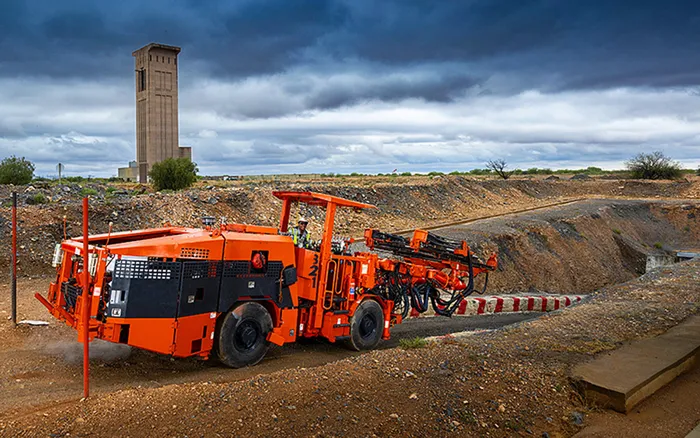
Copper prices recovered on Tuesday after trending down last week.
Image: Supplied
Copper prices recovered on Tuesday after trending down last week, with analysts forecasting a strong upswing in demand which is expected to provide support for stronger pricing.
The allure of copper globally has stirred up merger and acquisition activity in the global mining sector. Anglo American has tied up with Canadian miner, Teck Resources while Rio Tinto and Glencore are pursuing negotiations for a merger that resource analysts say is motivated by the brighter prospects of a merged entity with strong and large tentacles over copper.
On Tuesday, copper prices opened around $1 937 per tonne compared to the previous close of $12 894 per tonne. On Friday, the metal slumped “alongside the wider metals complex, likely driven by profit taking following the 24% rally since December,” analyst at SP Angel said.
This comes as deliverable copper inventories into the Shanghai Futures Exchange (ShFE) warehouses rose 18% to 213,515t on Friday. On Tuesday, an additional 8 875 tonnes of copper were delivered to London Metal Exchange (LME) warehouses, bumping up the total 156 300 tonnes.
Forecasts suggest copper demand could rise by roughly 50% by 2040, said Andrew Bahlmann, director of Deal Leaders International, adding though that “supply could lag potentially creating structural tightness” in the market.
“Copper sits at the core of electrification, renewable energy infrastructure and electric vehicles, with miners consequently chasing scale in metals in a move to underpin decarbonisation,” he said.
South African mining investors have been reacting positively to the projected rosy outlook for copper, with junior miners such as Northern Cape base metals developer, Orion shifting focus to project financing and concentrate offtake agreements as the company further develops its copper projects.
Big gold miner Harmony Gold is also diversifying into copper. The board of Harmony Gold in November gave the greenlight for its investment of over $1 billion developing an Australian copper project following completion of updated feasibility studies.
Currently, analysts say, “lost production of copper concentrates from the giant Grasberg mine in Indonesia is worrying the market: and tilting expectations towards developing deficits".
Friday’s fall in copper prices came as US President Donald Trump announced an update to his Section 232 critical mineral tariff plans. The United States President opted against tariffing rare earths, lithium and other critical minerals, with focus shifting to securing supplies from international trading partners.
Nonetheless, noted SP Angel analysts, “Copper prices have been supported by concerns over tariffs on US imports, pushing metal into the US as traders take advantage of Comex-LME arbitrage opportunities”. This had had created a divergence of physical supply, with high-demand areas like Asia struggling to secure inventory as it flows into COMEX warehouses.
“Despite reduced risk of US copper tariffs, prices have held above $13 000/t, suggesting the market is looking towards more traditional supply/demand dynamics. Major supply disruptions through 2025, notably with Kamoa-Kakula, Grasberg, El Teniente, QB2 and continued grade decline from Codelco, have reduced surplus expectations in 2026 (coinciding) with sustained demand strength out of China, who are upgrading their grid infrastructure and boosting electrification programmes country-wide.”
Moreover, “copper fundamentals remain strong over the long-term, with limited new projects coming online as majors opt to buy vs building” new mines. BHP said on Tuesday that “strong copper price is being driven by healthy demand and by supply disruptions” at mines owned by a number of its rivals.
BUSINESS REPORT