Cell C boosts youth empowerment with new digital labs in the Northern Cape and Free State
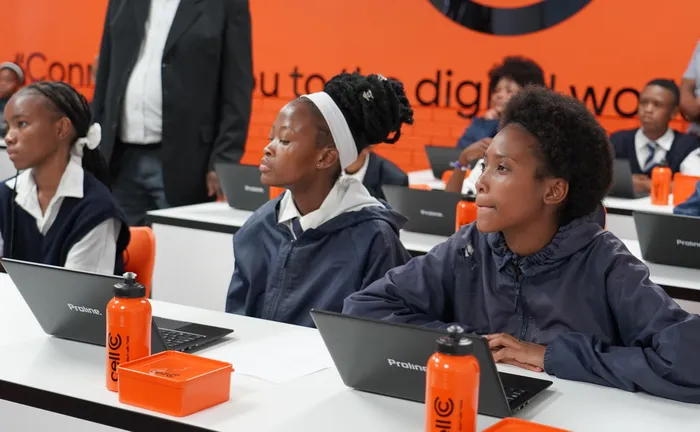
Cell C expands digital literacy by launching two Digital Labs in the Free State and Northern Cape, improving access to technology and curriculum-aligned e-learning, empowering schools, and supporting South Africa’s goals for quality education and reduced inequality.
Image: Supplied
CELL C has expanded its commitment to digital inclusion with the launch of two new fully equipped Digital Labs at Gamagara High School in the Northern Cape and Kagisho Combined School in the Free State. The handover, announced on Tuesday, 9 December 2025, forms part of the company’s ongoing investment in increasing meaningful digital access for young people in partnership with the Department of Education.
The facilities are designed to make digital education practical, engaging, and accessible, particularly in communities where technological resources remain scarce. Each Digital Lab is fitted with laptops supported by Cell C connectivity, a high-performance server, a projector, and the C3 Micro Cloud solution. This technology enables teachers and learners to easily access curriculum-aligned digital content, interactive lessons, and essential tools that support online learning and research.
Lethiwe Hlatshwayo, Managing Executive for Corporate Affairs at Cell C, said empowering learners through digital literacy is central to the company’s long-term vision for community upliftment.
“Our goal is to ensure that we contribute meaningfully to the national imperative to have every learner get the opportunity to gain the digital skills and confidence needed to participate fully in an increasingly connected world,” she said, adding that digital access is no longer optional but crucial for young people and adults alike.
Representatives from provincial education departments welcomed the partnership, noting its impact on the quality of learning and future opportunities.
Gamagara High School Principal Delevile Motoneshe added that the digital labs have already changed the way learners access information, complete school tasks, and explore new areas of interest.
Free State Department of Education Spokesperson Howard Ndaba said the initiative helps reduce inequality and opens pathways for learners to participate in the digital economy.
Through expanding digital access in underserved communities, Cell C says it remains committed to supporting inclusive education and contributing to South Africa’s broader development agenda.
The initiative aligns with the United Nations Sustainable Development Goals for Quality Education and Reduced Inequalities, further reinforcing the role of digital literacy in national growth and youth empowerment.