Boyz 2 Brothers: LifeLine NC's initiative guiding young men away from cycles of abuse
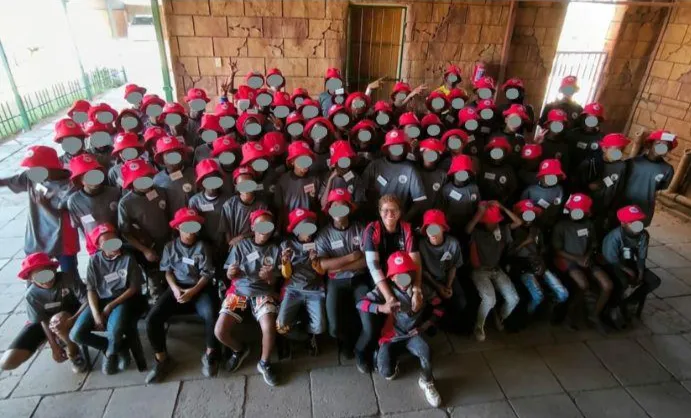
LifeLine Northern Cape's boyz 2 Brothers programme has been operating for about a year. The DFA spoke to Brende Harker, who developed the programme, to understand more about it.
Image: Lance Fredericks / DFA
WITH South Africa in the midst of the 16 Days of Activism of No Violence Towards Women and Children, and with alarming recent crime statistics still fresh in the public mind, the question many are asking is where the country goes from here.
There was a significant victory when gender-based violence and femicide (GBVF) was declared a National Disaster under the Disaster Management Act, 2002. The step came after a national campaign by Women For Change and a petition that gathered more than 1.1 million signatures, urging the government to recognise GBVF as a national emergency.
But soon after the declaration, stakeholders stressed that the move would mean little without practical action, accountability and sustained political will.
No quick fix
The fact is, even with this development, the scale of violence against women and children remains overwhelming. The sense persists that there is no immediate solution, and that patterns of behaviour and entrenched ideas continue to fuel the crisis.
There’s a perception that some men in South Africa hold beliefs about authority, dominance and pride that can translate into destructive behaviour. The DFA sought further insight by approaching LifeLine Northern Cape (LLNC), the organisation behind a locally based initiative aimed at unpacking these social dynamics among boys and young men.
Running under the slogan “Changing the Narrative”, the boyz 2 Brothers programme has been operating for about a year. The DFA spoke to LifeLine Northern Cape to understand what narrative the programme is addressing, and how it intends to shift it.
How boyz 2 Brothers began
LLNC was founded in 2009 in Kimberley by Ms Brende Harker, who launched the organisation with the aim of supporting and uplifting vulnerable people in the community.
Last year the organisation initiated a social upliftment project focused on contributing to a shift in attitudes around GBVF, specifically by engaging boys and young men before harmful patterns become entrenched.
Harker said she believes GBVF requires a broader and more coordinated approach.
“Ending violence in our community is the responsibility of the whole community and it is significant that men and boys are active participants and promoters of change and push back against the current status quo,” she said.
She added that after years of working directly with people who have been abused or violated, she began questioning the way society places expectations on women and girls.
“I have always seen things differently,” she said. “So it bothered me that women and young girls were always being told not to walk alone, not to wear revealing clothing, or not to frequent certain places – this infuriated me because it almost looked as if women were being blamed for putting men into the ‘unfortunate position’ of having no choice but to act on their so-called ‘natural predatory instincts’.”
Over time she developed an alternative approach.
Laying the foundations
The boyz 2 Brothers concept took shape gradually as Harker researched and refined the programme. Though it kicked off last year, back in 2021, the first mentors were trained, and LLNC began identifying potential participants.
“We did not have funding at the time, but I told my team that if we wait for funding, then we would only start the programme in a year, or longer.
“I challenged them to volunteer and we did the groundwork of identifying candidates and training mentors in the difficult period as the country was emerging from the pandemic lockdowns; this further hampered our progress,” she said.
Breaking cycles early
The programme targets boys and young men aged 10 to 18 and encourages them to take an active role in breaking cycles of violence, whether individual or systemic. There are currently 90 boys in the programme, with a further 60 expected to be recruited for next year. Participants remain involved until they finish school.
“It’s not a quick fix,” Harker said. “You are not going to change deeply-entrenched belief systems and cherished principles overnight.
“Also, you cannot brainwash and manipulate young men to think differently about established practices; but what we can do is expose them to a different narrative, make them look up and away from their current circumstances to something bigger, something positive.”
She added that the programme directly addresses issues such as gender norms, masculinity, patriarchy, stigma and discrimination.
“The boys will attend sessions that speak to building self-esteem, gender, sexuality, gender-based violence, stigma and discrimination among other relevant topics,” she said.
Linked work through Brothers for Life
Harker said the boyz 2 Brothers model also draws lessons from the Brothers for Life Programme, which has been running since 2010 and focuses on adult men in communities and within the correctional system.
“The Brothers for Life Programme is aimed at adult males in communities, and often in prison, to assist them in their rehabilitation, helping them to a more useful, supportive role in society,” she said.
She explained that she wanted to intervene earlier, long before destructive behaviour resulted in harm.
“I wondered, what if I can reach younger boys to guide them to make healthier choices by instinct, to prevent them going down the path of violence, abuse and crime in the first place,” she said.
Moving forward
The first official boyz 2 Brothers session was held on September 7 last year. Since then the group has completed 12 sessions and held a camp designed to help participants develop focus, confidence and direction.
LLNC is engaging government departments, organisations, businesses, sports clubs and members of the public to support the project. Harker said there has already been encouraging interest.
“We’d like to give the boys care packs every so often,” she said. “Nothing extravagant, but toiletries and daily necessities can make a difference, because some of the boys are from very challenging economic backgrounds.
“Also, connecting with male role models, experiencing outdoor activities, being exposed to the arts; all these things can ignite something in young men that previously had no direction,” she said.
Anyone interested in learning more about boyz 2 Brothers or offering support can contact LifeLine Northern Cape during office hours at 053 050 1067, send a WhatsApp to 060 711 2217 or email boyztobrothers@gmail.com.