
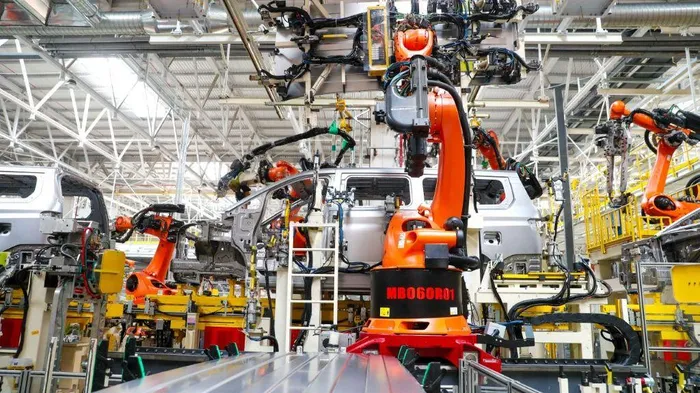
South Africa is reviewing tariffs and taxes on imported vehicles, aiming to protect local manufacturing and jobs as imports from India and China surge, but consumers could face higher car prices.
Image: Costfoto / NurPhoto via AFP / File
SOUTH AFRICA is reviewing vehicle import tariffs and taxes as government looks for ways to support local car production against a growing wave of cheaper imports, particularly from India and China.
Proposals aimed at boosting localisation and protecting jobs in the automotive sector are expected before the end of February. Among the measures under discussion are higher import duties, revisions to luxury vehicle taxes and adjustments to incentives favouring domestic production.
Officials argue the industry needs breathing room as local manufacturers face rising competition in the entry-level market, shifting global demand toward electric and hybrid vehicles, and export pressures after new US tariffs on South African goods.
But while tariff protection may slow the pressure, it also raises a broader question: should industries rely on protection, or should they compete on the strength of what they produce?
And that takes me back many years, to a small house in Homevale, Kimberley, and an apricot tree.
Each summer, the tree produced more fruit than our family could possibly eat. The apricots were juicy and sweet, but even the most enthusiastic child learns quickly that there is such a thing as too many apricots.
Letting the fruit fall and rot seemed wasteful, so my brother gathered us siblings and announced a plan: we would sell them. Four apricots for one cent. He even predicted we could make as much as R2 a week — riches in our young minds.
We sold enough fruit to cover weekly movie tickets, snacks and drinks. Soon other children began selling surplus fruit too — figs, grapes, quinces and pomegranates appeared on the pavement markets.
Competition arrived, but our little operation kept going. People still bought from us because our fruit was good.
That memory sticks because it carries a simple lesson: buyers love a bargain, but many are willing to pay a little more for something worthwhile.
Back in today’s motor industry, imported vehicles now account for a growing share of local sales, especially in affordable segments where price matters most. Local production has struggled to keep pace, and South Africa recently lost its status as Africa’s largest vehicle producer to Morocco.
Raising tariffs could help protect domestic factories and jobs. But analysts warn that higher duties may also push up prices for consumers, particularly for entry-level cars, and could slow overall vehicle sales, affecting dealerships and related industries.
Government’s challenge is to strike a balance between supporting manufacturing and keeping vehicles accessible to buyers.
Protection can buy time, but it does not automatically build demand. In the long term, industries succeed when customers actively choose their products, not simply because alternatives become more expensive.
South Africa has proved before that it can produce vehicles for global markets. The question now is whether the industry can again make cars buyers want — on quality, value and competitiveness — rather than relying on tariff walls.
Because, as those Homevale apricots taught us decades ago, quality usually finds its market.