Chery's acquisition of Nissan's Rosslyn plant: A new chapter for South Africa's automotive industry
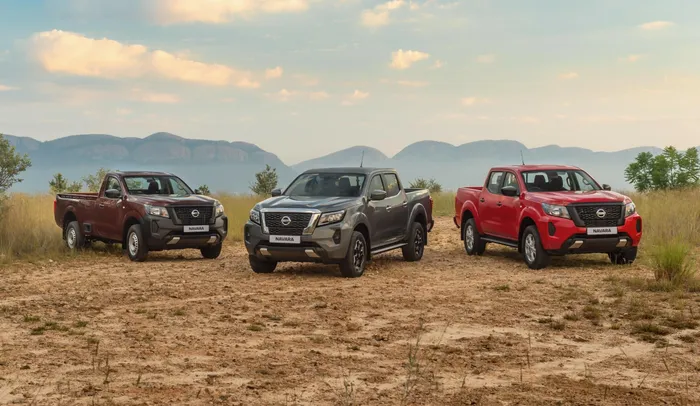
Nissan’s Rosslyn plant will transition to Chery ownership in 2026, preserving most jobs and local manufacturing capacity while limiting the economic impact of Nissan’s scaled-back operations in South Africa.
Image: Supplied / Nissan South Africa
WHILE Nissan’s scaling down at its Rosslyn plant has raised understandable concern, the agreement with Chery SA points to a softer landing for South Africa’s automotive sector, with jobs, infrastructure and manufacturing capacity largely preserved.
Subject to regulatory approvals and other conditions, Chery SA will acquire the land, buildings and associated assets of Nissan’s Rosslyn facilities, including the nearby stamping plant, in mid-2026. The deal brings clarity to months of uncertainty around the future of the site, which has faced prolonged underutilisation amid Nissan’s global restructuring.
Crucially, the agreement provides continuity rather than closure. The majority of Nissan employees linked to the plant will be offered employment by Chery SA on substantially similar terms and conditions, limiting the knock-on impact on households, suppliers and the broader local economy.
A pragmatic solution for Rosslyn
Nissan Africa president Jordi Vila said the agreement followed a search for the best possible outcome for all stakeholders.
“Nissan has a long and proud history in South Africa and has been working to find the best solution for our people, our customers and our partners. External factors have had a well-known impact on the utilisation of the Rosslyn plant and its future viability within Nissan,” Vila said.
“Through this agreement we’re able to secure employment for the majority of our workforce thereby also preserving opportunities for our supplier network. This move also ensures that the Rosslyn site will continue contributing to the South African automotive sector.”
The Rosslyn plant, which opened in the mid-1960s, has been central to Nissan’s South African operations for decades. In recent years, however, it has been flagged as vulnerable as the company sought to streamline its global footprint and address cost pressures.
The deal signals the end of Nissan vehicle assembly at the site, but not the end of Nissan’s presence in South Africa. Despite divesting the manufacturing facility, Nissan confirmed it will continue to offer vehicles and services locally, with several new vehicle launches planned for the 2026 financial year, including the Tekton and Patrol.
Chery steps into local production
For Chery, the acquisition marks a significant step towards local manufacturing, something the brand had publicly explored in recent years. The Chinese manufacturer had indicated interest in establishing South African production capacity, potentially by repurposing an existing plant.
By taking over Rosslyn, Chery gains an established facility and workforce, rather than starting from scratch. The move also ensures that South Africa retains an active automotive manufacturing hub at a time when localised production is under pressure globally.
Chery’s growing presence in the local market has already been evident through its expanding vehicle range and rising sales, and the Rosslyn acquisition strengthens its long-term commitment to the country.
Continuity amid change
While Nissan’s reduced manufacturing footprint reflects wider challenges within the company, the transition to Chery ownership offers reassurance that the Rosslyn site will remain operational and economically relevant.
Rather than a factory closure and widespread job losses, the agreement points to continuity under new ownership, helping cushion the South African automotive industry from a potentially far more disruptive outcome.