Understanding your rights at roadblocks: a guide to staying safe this festive season
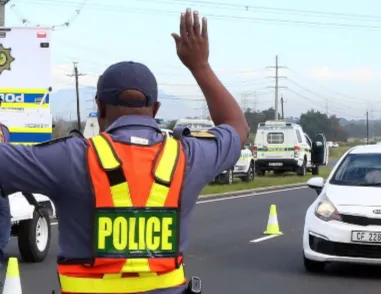
A police roadblock.
Image: Brendan Magaar/African News Agency (ANA)
December doesn’t only bring sun, shisa nyama energy, and overly ambitious camping plans. It brings roadblocks… lots of them.
That alone should trigger a collective “know your rights” reminder, like sunscreen but for legal safety.
And yet, most of us don’t really know what we’re allowed or not allowed to do when an officer taps on our window. We learned Maslow’s hierarchy of needs in grade 5, but no one taught us the everyday basics, like: Can you film law enforcement? Can you refuse a search? What does “reasonable suspicion” actually mean?
South Africans aren’t clueless by choice. Legal experts say there’s a real gap in rights awareness, especially for vulnerable groups. Advocacy organisations run “Know Your Rights” campaigns every year, which tells us education isn’t just nice to have, it’s needed.
So yes, December vibes might look like pedicures, juice cleanses, and beach selfies, but legal literacy is the type of wellness that keeps you alive and out of jail.
A deadly festive season
Last year’s festive period was brutal. Between December 2024 and January 2025:
- There were 997 roadblocks across South Africa.
- 7,448 arrests were made for drunk driving, bribery, and reckless speeding.
- 8,917 unroadworthy vehicles were impounded.
- 1,502 lives were lost in 1,234 crashes, a 5.3% increase from the previous year.
- Pedestrians made up 41% of fatalities (Department of Transport)
The numbers feel heavy because they’re real. Behind every statistic is a family that expected to celebrate together.

Understand your rights during these encounters to ensure safety and legal compliance this holiday season
Image: Pexels
“Enforcement is essential,” explained Kirstie Haslam, a partner at DSC Attorneys.
She adds, “But knowing your rights keeps enforcement lawful and transparent.”
Your December rights starter pack (no law degree needed)
1) Yes, you must stop, but you can ask questions: The provincial or national police commissioner must authorise roadblocks. Officers must be in uniform.
“You’re entitled to ask for proof that the roadblock has been authorised. Unapproved stops and baseless searches are Illegal according to Haslam.
2) Breathalyser results aren’t the gospel truth: The science depends on correct calibration. If you disagree with the reading, request a blood test by a medical professional within two hours. Delays can make the results invalid in court.
3) You can record the police, respectfully: Filming is legal as long as you don’t interfere. Record, don’t provoke. It protects both sides.
4) You can’t be arrested for vibes: Refusing a lawful request (such as a verified test) can lead to arrest, but unlawful detention and excessive force are not tolerated.
If by any chance you sustain injuries due to misconduct, you may have grounds for a civil claim.
5) The best defence is not being an idiot: Rights don’t protect reckless behaviour. “The simplest solution is not to drink and drive. Plan ahead: Uber, lift club, cousin who never drinks anyone.”
Rights = Responsibility = Time with family, not jail
Knowing your rights at a roadblock isn’t about being difficult; it’s about staying safe on both sides of the window.
“A lawful roadblock should feel safe, not intimidating,” Haslam concludes. “If both motorists and officers understand their roles, everyone gets home safely, which is the whole point.”
December wellness isn’t only scented candles and social media “self-care.” Sometimes it’s practical, unsexy, and lifesaving.
Legal literacy is self-care. Knowing your rights is a wellness ritual. Getting home alive is the ultimate December soft life.