Life lessons at the bottom of an empty gin bottle
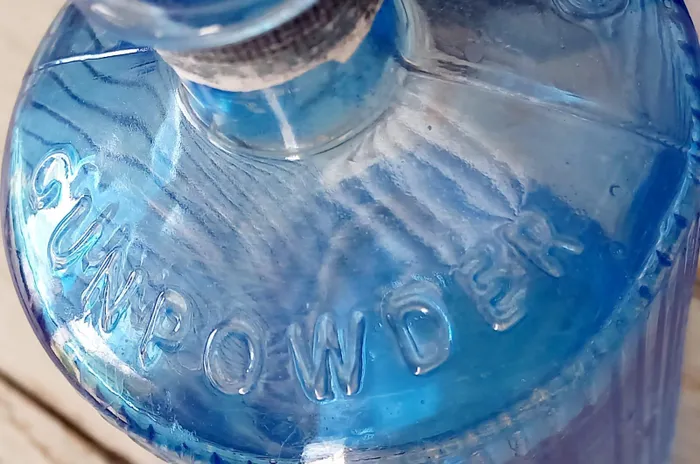
A misrepresented gin bottle becomes a reminder to always verify, whether vintage finds or work reports.
Image: Marlene Minopetros / DFA
I'D ALWAYS prided myself on being a diligent treasure hunter, scouring Facebook groups for quirky vintage goodies. I take pride in uncovering hidden gems others might overlook.
I spotted a post about a light blue gunpowder glass bottle, and my heart skipped a beat. The seller's description sounded legit, and the price was right. I jumped on it without a second thought.
As I handed over the cash, the seller's desperate eyes tugged at my heartstrings. He seemed like someone who needed the money more than I needed the bottle. I let my guard down, thinking maybe I could be the answer to his prayers. The bottle changed hands, and I headed home, eager to add it to my collection.
It wasn't until I got home and dusted off the new acquisition that reality hit me like a ton of bricks. This wasn't a rare gunpowder glass bottle; it was an empty gin bottle. I'd been had.
At first, I kicked myself for being so reckless. How did I, the queen of vintage vetting, slip up like that? But then I thought about my day job, where verifying facts is part of my bread and butter. I'm meticulous about checking and rechecking data, and it's served me well. But somehow, I'd let my guard down in my personal life.
It hit me – the same diligence I apply at work should apply everywhere. Whether it's verifying a report or vetting a vintage find, checking facts is crucial. And it taught me to be kinder – maybe that seller's prayer was answered through my mistake, and now that bottle sits on my desk, a quirky reminder to seek truth and spread kindness.
The gin bottle has become an unlikely mascot, a symbol of my newfound awareness. So, the next time you're tempted to hit 'buy', or sign off on a report, take a deep breath and double-check.
Trust me, your future self (and your wallet) will thank you.