Is this the end of menopause? The new science of ovarian tissue cryopreservation
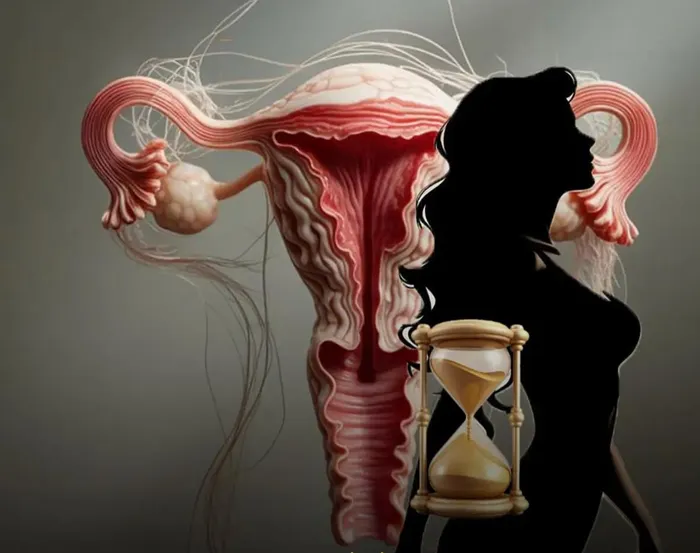
Yale scientists have modelled an ability to freeze and later transplant ovarian tissue offers a way to extend their fertile lifespan
Image: Social media/ Facebook
For decades, menopause has been viewed as both a milestone and a challenge. For some, it’s a relief from monthly periods and the constant worry of unplanned pregnancies.
For others, it’s a storm of hot flashes, mood swings and lasting health risks.
Yet, what if this biological transition, once considered inevitable, could be delayed or even prevented by science?
At the heart of this groundbreaking conversation is a cutting-edge procedure called ovarian tissue cryopreservation (OTC), a method that could redefine how women experience midlife and beyond.
With the power to pause menopause and extend fertility, OTC is turning heads in both medical and cultural circles. But what does this mean for women today?
An understanding of menopause
Menopause, which typically occurs in women between the ages of 45 and 55, is not a disease; it’s a natural biological phase that reflects longer female life expectancy. However, the symptoms associated with menopause can be severe.
Hot flashes, mood changes, and sleep disruptions are common, but the long-term risks like osteoporosis, cardiovascular disease, and cognitive decline can be life-altering. These health stakes often drive women to seek solutions, from hormone replacement therapy (HRT) to alternative remedies.
Now, OTC offers a possibility that seems almost too good to be true: delaying menopause entirely.
Unlike HRT, which supplements declining hormones artificially, OTC works with the body’s natural systems, restoring a woman’s own hormone production, potentially even allowing for natural conception later in life without the need for IVF.
The science of OTC
Developed by Dr Kutluk Oktay at Yale School of Medicine, OTC has already been a game-changer for cancer patients. Since 1999, it has been used to preserve fertility in women undergoing treatments that damage their ovaries. Now, this same procedure is being explored in healthy women to delay menopause.
Here’s how it works: during a minimally invasive laparoscopic surgery, a surgeon removes a portion of the ovary’s outer layer, which contains tens of thousands of immature eggs (primordial follicles).
This tissue is then frozen at temperatures as low as 320°F, stored for years, and later transplanted back into the body. Once reimplanted, the tissue reconnects with blood vessels, restoring ovarian function within months.
A recent mathematical model published by Oktay and his team demonstrates that freezing tissue at age 25 could delay menopause by 15 to 30 years, depending on how much tissue is harvested and how it’s reimplanted.
For women in their 20s and early 30s, this could mean not only extended fertility but also a significant delay or even prevention of menopause.
Why OTC could be a game-changer
The potential benefits of OTC go far beyond fertility. Research suggests that women who experience later menopause may live longer and face lower risks of chronic conditions like heart disease, dementia, osteoporosis, and depression.
By delaying menopause, OTC could help women maintain their health and vitality well into their later years.
According to the Yale publication of this study, Dr Hugh S. Taylor, chair of obstetrics and gynaecology at Yale, highlights how this procedure could empower women who are waiting longer to start families for professional or personal reasons. “The ability to freeze and later transplant ovarian tissue offers a way to extend their fertile lifespan,” he says.
Additionally, OTC’s unique approach, allowing for natural, pulsatile hormone production, could be a safer alternative to artificial hormone therapies. Unlike egg freezing or IVF, which rely on external hormones, OTC preserves the body’s ability to conceive naturally whenever a woman is ready.

Discover how ovarian tissue cryopreservation (OTC) could transform the experience of menopause for women
Image: RDNE Stock project /pexels
Timing, risks and costs
While the promise of OTC is enticing, it’s not without its challenges. Timing is critical: the younger the woman, the better the quality and quantity of her eggs. For women over 40, the procedure is less likely to be effective, although ongoing innovations could change this.
The surgical process itself, though minimally invasive, carries risks like any medical procedure. There’s also a loss of some eggs during the freezing and transplantation processes, though newer techniques could improve survival rates significantly in the future.
Cost is another consideration. Currently, OTC can range from $12,000 (R192 000) to $20,000, making it an investment that’s out of reach for many. For those who can afford it, however, it’s being described as “fertility insurance”, a way to safeguard reproductive and hormonal health for the future.
As exciting as OTC may sound, it’s still a developing science. While it’s been successfully used in cancer patients for over 20 years, large-scale studies in healthy women are ongoing.
Questions remain about long-term safety, including whether delaying menopause could influence risks for conditions like breast cancer. Transparency around these uncertainties is crucial as the field evolves.