Study warns of toxins in pads: here are the best safe alternatives for SA women
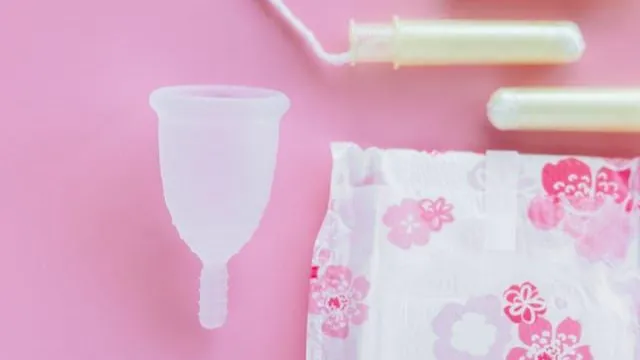
Study uncovers hormone-disrupting chemicals in sanitary pads across South Africa
Image: Nataliya Vaitkevich/pexels
A new peer-reviewed study from the University of the Free State (UFS) published on February 16 has found that every sanitary pad and pantyliner tested contained at least two endocrine-disrupting chemicals (EDCs), even some marketed as “free from harmful chemicals.”
Published in the journal Science of the Total Environment, the research is already shifting the national conversation around menstrual health, consumer transparency, and women’s long-term exposure to everyday chemicals.
“Our study highlights a concerning reality regarding the safety of menstrual products,” said Professor Deon Visser, head of chemistry at UFS. “Many sanitary pads and liners contain hormone-disrupting chemicals, even when they are marketed as being ‘free from harmful chemicals’.”
The research team, comprising Janine Blignaut, Dr Gabre Kemp, Professor Elizabeth Erasmus, Professor Visser and Professor Marietjie Schutte-Smith, analysed 16 sanitary pad brands and eight pantyliner types widely sold in South African retailers.
They tested for three groups of EDCs:
The study tested three groups of harmful chemicals:
- Phthalates
- Bisphenols (including BPA)
- Parabens
The results were staggering: bisphenols were detected in 100% of sanitary pads and 75% of pantyliners, while parabens were found in over 81% of pads. Phthalates, often used in plastics, were present in all pantyliners and 50% of pads tested.
Importantly, the researchers note these chemicals are not always intentionally added. “The heat-pressing process can cause these chemicals to move into the top layer that touches your skin,” Prof Visser explained.
No specific brands were named in the study. Popular disposable products in South Africa include Always (Procter & Gamble), Kotex (Kimberly-Clark), Lil-lets, Stayfree, and Libresse, all household staples found in major retailers.
The absence of brand disclosure underscores a deeper issue: limited regulation and ingredient transparency.
What does this mean for users?
Even if individual chemical levels seem low, repeated direct exposure through menstrual products raises significant health concerns.
Think about it: most people use menstrual products for several days each month, over many years. This repeated exposure could lead to hormonal imbalances, reproductive problems, and other major health risks.
Endocrine-disrupting chemicals have been linked in global research by the World Health Organisation to hormonal imbalances, fertility challenges, endometriosis, and certain cancers.
This does not mean panic. It means awareness.
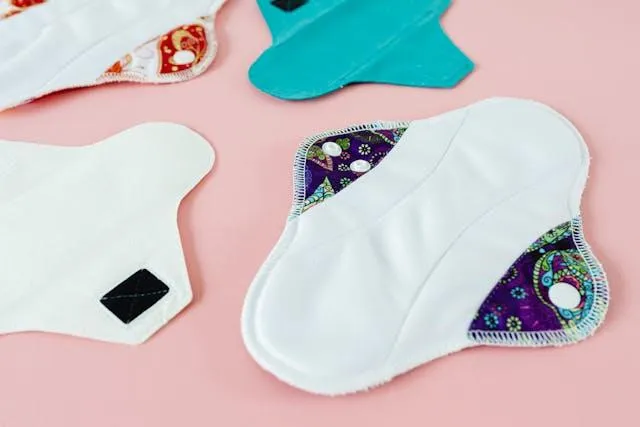
Experts urge women to make informed choices, such as seeking products with OEKO-TEX Standard 100 certification, which indicates screening for harmful substances.
Image: www.kaboompics.com/pexels
This study isn’t just about chemicals, it’s about the lived realities of South African women. Menstrual health is deeply intertwined with social and environmental factors. Many women and girls already struggle with access to affordable, safe products.
Now, it’s clear that even widely available brands may not be as safe as they claim.
For young girls in underserved communities, this issue becomes even more pressing. The UFS research team began their work after hearing about the struggles many girls face in accessing menstrual products.
They’re developing innovations like a reusable sanitary pad with antimicrobial properties, designed to be both safe and affordable.
When choice is limited, transparency becomes even more critical.
“This study serves as a wake-up call,” Visser said, “that current regulations and ‘clean’ labels in South Africa may not be providing the protection consumers expect.”
Currently, SANS 1043 standards focus on microbiology and absorbency, not chemical composition. Manufacturers are not required to disclose full ingredient lists.
The message is not to throw everything away tonight. It’s to make informed shifts where possible.
Experts suggest looking for OEKO-TEX Standard 100 certification, which screens for harmful substances.
As this research sparks national conversations, it’s time to demand change, educate ourselves, and explore safer alternatives. Our health and the health of future generations depend on it.
For many women in South Africa, discussions surrounding menstrual care are not merely theoretical; they intersect with themes of affordability, access, and period poverty.
Image: Vanessa Ramirez /pexels
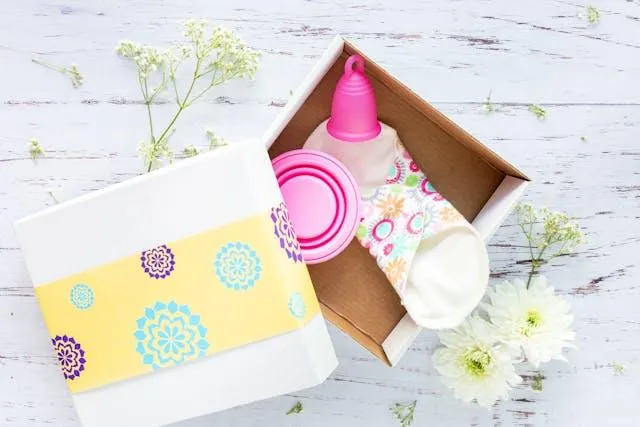
Reusable alternatives are also gaining traction, and for many, they offer both health and cost benefits:
- Menstrual cups such as Mina Cup or The Goddess Cup are made from medical-grade silicone and can last up to 10 years.
- Period underwear from brands like Blushproof or Miss Ruby provides washable, built-in absorbency.* Reusable cloth pads from Palesa Pads or Ecoelephant can last up to five years.
- Antimicrobial reusable pads like Safepad are designed for low-water access communities.
These options may not work for everyone. Cultural comfort, water access and personal preference matter.
But expanding the conversation gives women agency. This story is bigger than pads. It’s about bodily autonomy. It’s about asking why products used intimately by millions of women are not held to stricter chemical standards.