South Africa to launch six-month HIV prevention injection across six provinces
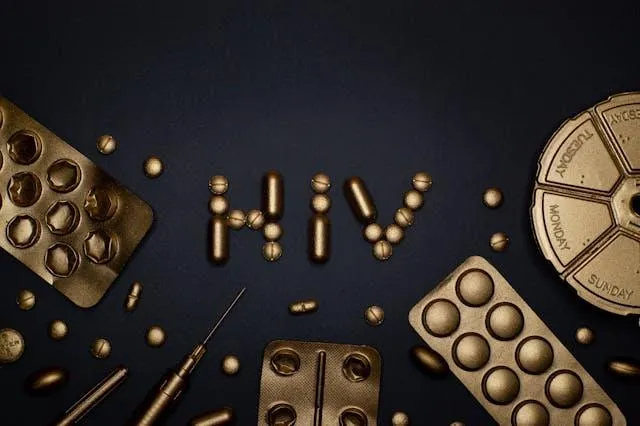
Lenacapavir injectables set to transform HIV prevention in South Africa
Image: Miguel Á. Padriñán/pexels
A new, groundbreaking HIV prevention method is set to redefine South Africa's decades-long battle against the virus. This initiative is being rolled out across six of the country's provinces.
Starting between April and June this year, Lenacapavir, a six-month HIV prevention injection, will become available at over 300 healthcare facilities, marking a significant step forward in public health.
Announced by President Cyril Ramaphosa during the State of the Nation Address (Sona) this initiative speaks to South Africa’s commitment to curbing new infections and bringing hope to those at risk.
But behind the data and declarations lies the nuanced reality of a nation still grappling with the legacy of HIV.
Lenacapavir isn’t a vaccine, nor is it a treatment for HIV-positive individuals. Instead, it’s a prevention tool designed for HIV-negative people who are at risk of contracting the virus. Orapeleng Mohlaoleng from the Department of Health explains:
“Lenacapavir is for HIV-negative individuals at risk of contracting the virus. It is not a treatment, and it is not a vaccine, it’s an HIV prevention method targeting everyone, including key populations like men who have sex with men, sex workers, and transgender individuals.”
This distinction matters. It’s a shield, not a cure, and it comes at a time when South Africa is making strides in reducing new infections but still faces the daunting reality of 178,000 new cases annually.
For parents and children, this rollout is more than a statistic; it’s a call to bridge generational understanding around prevention and sexual health.
The weight of prevention

Across six provinces in South Africa, a groundbreaking HIV prevention method is poised to redefine the country's fight against a virus that has shaped its history for decades.
Image: Cottonbro studios
For decades in South Africa, families have borne the profound burden of HIV, grappling with loss, the enduring weight of stigma, and the daily struggle for survival. The scars from this epidemic run deep within the nation.
For many, the conversation around prevention is fraught with emotion.
How do you explain to your teenage child that they need to protect themselves from a virus that robbed their grandparents or uncles of life? How do you, as a parent, reconcile the need to empower your child with the tools of prevention while battling your own fears about their vulnerability?
Lenacapavir offers a chance to rewrite these narratives. It’s not just an injection; it’s a symbol of progress and hope. By providing a discreet, long-term prevention method, it removes some of the barriers, like the need for daily pills that have previously made prevention difficult for those most at risk.
South Africa is home to 8.15 million people living with HIV, the largest population globally. This number, paradoxically, is a testament to the success of antiretroviral therapy (ART), which keeps people alive longer.
Yet, the reality remains sobering: while new infections have declined by 40% globally since 2010, South Africa still faces pockets of rising prevalence.
In provinces like Mpumalanga, KwaZulu-Natal, and the Eastern Cape, the numbers reveal the complexities of the epidemic:
- Mpumalanga: Now the province with the highest prevalence (17.4%), it’s also seeing a significant rise in its total number of people living with HIV.
- KwaZulu-Natal: Home to nearly 2 million people living with HIV, it has shown dramatic drops in new infections but still carries the highest absolute burden.
- Eastern Cape: With prevalence at 13%, it faces some of the largest gaps in treatment coverage, with only 73% of those who need ART receiving it.
For parents, the memories of the HIV/AIDS epidemic in the 1990s and early 2000s are vivid and painful. For their children, HIV may feel like a distant threat, overshadowed by more immediate concerns.
But the truth is, these conversations are essential. Lenacapavir’s rollout offers an opportunity to sit down as families and communities to talk openly about prevention, safety, and hope. It’s about normalising the idea that protecting yourself is an act of self-love, not shame.