A shot at a cancer-free future - HPV vaccine rollout expanded nationwide
Cervical cancer ranks as the fourth most common cancer among women worldwide and is the second most common cancer among South African women aged 15-44.
Image: File
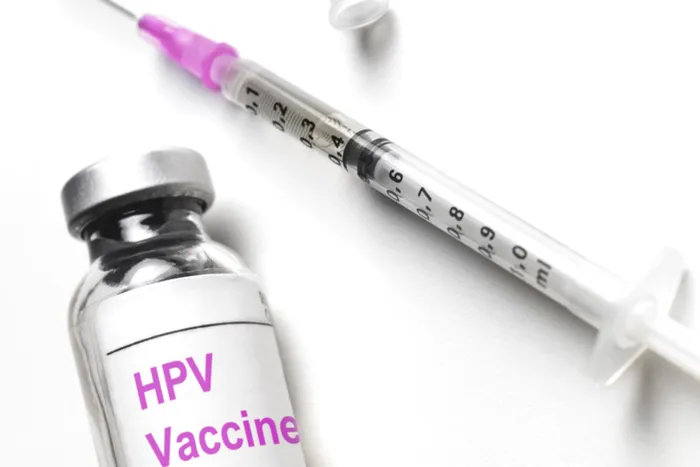
THE National Department of Health has launched a country-wide Human Papillomavirus (HPV) vaccination drive targeting girls aged 9 and older from February 2, in a bid to combat cervical cancer. Introduced in 2024, the programme has already vaccinated over 3.6 million girls, mostly from public schools, and has now been expanded to include girls from private schools.
HPV is a common sexually transmitted infection usually spread through skin-to-skin contact during sex. While most infections have no symptoms, many are cleared by the immune system within two years. However, persistent infections with high-risk HPV can cause abnormal cells to develop, which can go on to become cancer.
In South Africa, nearly 3,000 women die each year from cervical cancer-related complications, while more than 5,700 cases are reported annually. Cervical cancer ranks as the fourth most common cancer among women worldwide and is the second most common cancer among South African women aged 15-44.
According to Dr Themba Hadebe, Clinical and Managed Care Executive at Bonitas, HPV infects cells in the cervix, and in some cases, the virus can persist. He recommends regular screening tests, including pap smears and HPV tests, to detect the virus.
"It is recommended that between the ages of 21 and 65 years, women should have a pap smear every two years. From the age of 30 years onwards, a pap smear and HPV test should be done every five years," Dr Hadebe said.
The government calls on parents, caregivers and legal guardians to prioritise the health and future of their children by signing consent forms issued by schools to enable access to the free, life-saving vaccine. The success of the campaign depends on strong collaboration among all stakeholders, particularly parents, caregivers and guardians.
The department's vaccination drive aims to reduce the incidence of cervical cancer and related deaths in South Africa. With more than 95% of cases caused by HPV, vaccination is a crucial step in preventing the disease.
Almost all sexually active people will be infected with HPV at some point in their lives, usually without symptoms, making vaccination and regular screening essential for prevention and early detection.