Empathy or privilege? Inside the social media storm over Nandi Madida's 'Grace for Black men' comments
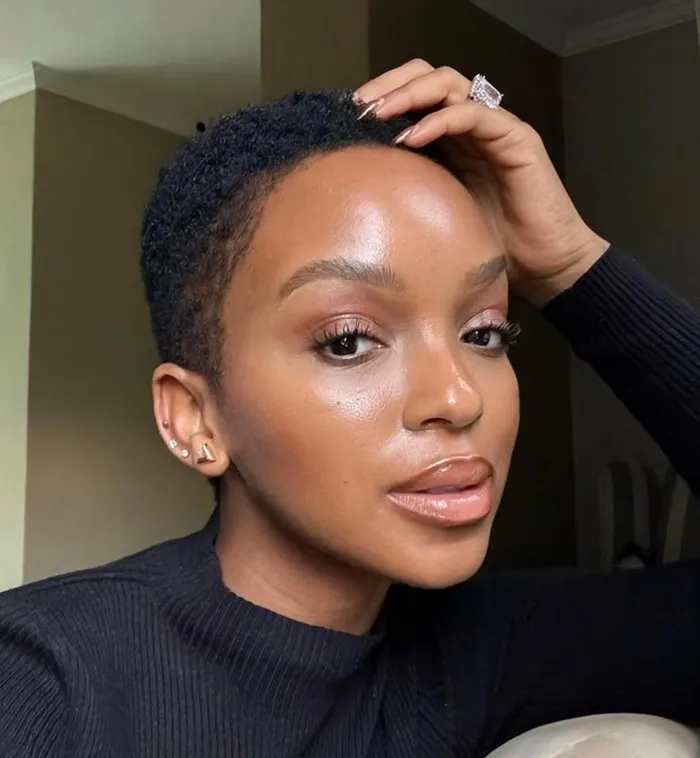
Singer and TV host Nandi Madida.
Image: Instagram / Nandi Madida
Nandi Madida’s recent call for society to extend more grace to Black men has sparked a complex debate on social media, exploring empathy, systemic pressure, and the reality of the South African experience.
Appearing on Episode 41 of the L-Tido Podcast, the singer and TV host shifted her focus from the usual "soft life" glamour to address what she describes as a heavy emotional and social burden carried by men in the country.
During the interview, she argued that society has become increasingly transactional and harsh in its expectations.
She noted that Black men, in particular, are often navigating a world that judges them solely by their financial output and social standing, without acknowledging the hurdles they face.
Her core message was a plea for a shift in perspective. To move away from constant criticism and toward a culture of support.
She suggested that by offering "grace," we allow room for vulnerability and healing, which she believes is essential for the collective health of the community.
This sensitive topic triggered a wave of response and heated threads on X (Twitter).
She received a large amount of criticism from women with @premium_xh saying: “The problem with these conversations is that they are always speaking to the black women. She must have grace. She must accommodate his inefficiencies. She must lower her standards to make it easier for him. The conversation is never encouraging black men to rise and do better.”
“What are black men up against that black women are exempt from? Funny that the grace she is pleading for on their behalf will never be extended from black men to black women or less yet between black men,” @ReignQueendom responded.
Some people remarked on the fact that she came from a privileged upbringing.
“I’m sorry but this is such a disingenuous take. also, for context, her dad’s a doctor, educated and lives a comfortable life. Her husband is one of the most successful African musicians. It’s okay to acknowledge that such takes are from a place of privilege,” commented @___nyasha.
Zet_Ndlovukati wrote: “She can say those things because her man is rich, she comes from a well off family. I don't think she even knows what poverty looks like. She's correct that black people are facing a lot systematically. For women, it's twice the struggle when you layer it.”
However, amongst the negative feedback, some stood by what he said.
@Lord_Ori_ wrote: “As a country, we firmly stand with Nandi Madida in these difficult times of Western values that are misleading both men and women in Africa. I wish she’d consider hosting some sessions with her gender to speak some sense into them because some of them are really lost!”
Despite the backlash, the conversation has forced a spotlight on men's mental health and the toxic "comparison culture" fueled by social media.
Her insights into empathy aren't just reserved for her podcast appearances; they are the foundation of her own creative ventures.
She has become a leading voice for parents through “The Motherhood Network,” her podcast, which was recently honoured on Apple’s "Best of 2025" list.
The platform serves as a "safe space" for mothers to move past the curated perfection of Instagram and discuss the raw, often overwhelming realities of raising children.
Her commitment to "grace" and visibility extends to her advocacy for neurodiversity.
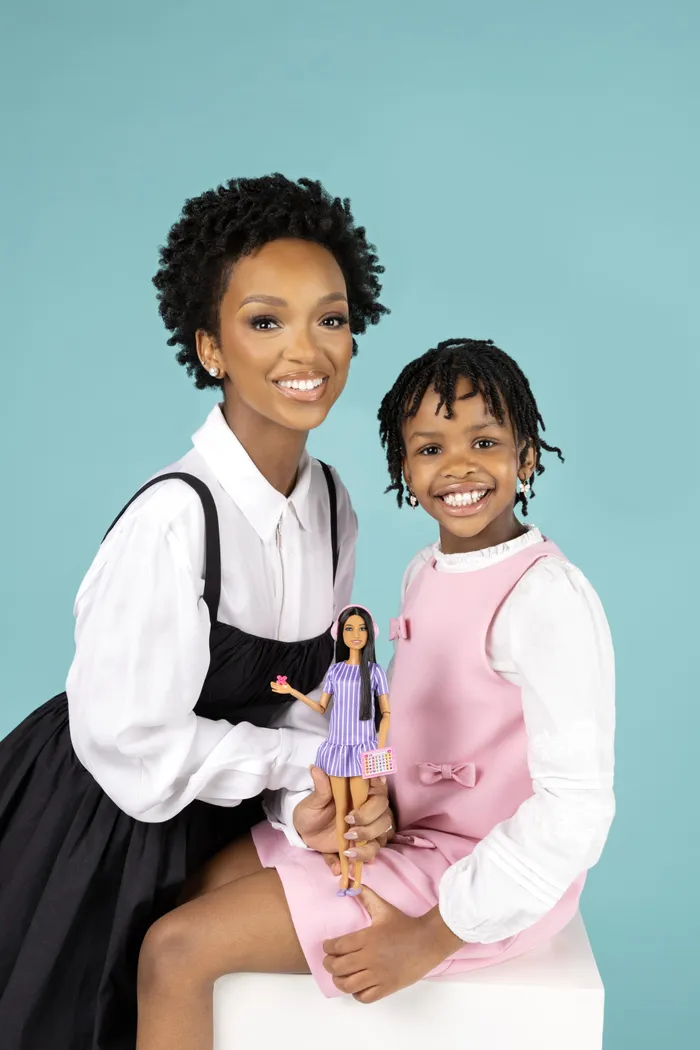
Nandi Madida and her daughter Nefertiti Madida with Barbie's latest autistic doll.
Image: Supplied
Recently, she collaborated with Mattel for the South African launch of the first-ever autistic Barbie doll.
Appearing with her daughter, Nefertiti, she spoke about the emotional weight of this milestone. The doll is designed to reflect the lived experiences of autistic children.
For Nandi, this project is about ensuring that children who are often left out of the mainstream narrative feel seen, valued, and understood from an early age.