
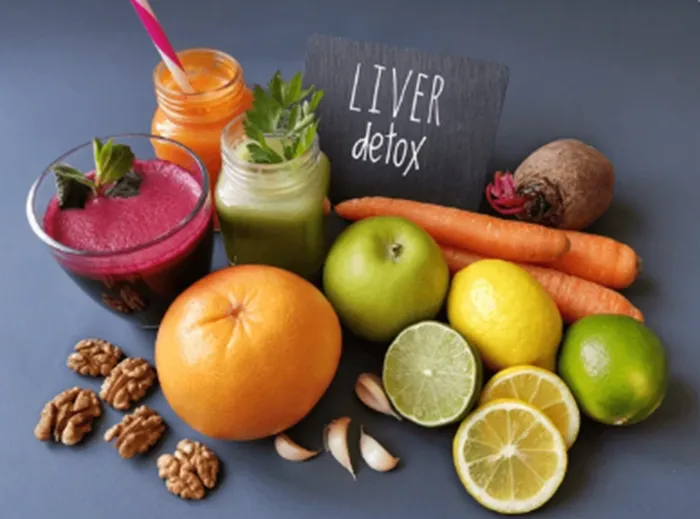
Each January, detox diets surge as part of the post‑holiday reset.
Image: Supplied / Meropa
WHEN the calendar flips to January, many of us reach for a “quick‑fix” cleanse like it’s a magic eraser for holiday overindulgence – only to discover the body already has its own built‑in cleaning crew.
Each January, detox diets surge as part of the post‑holiday reset. A US study published in Nutrients found that about 26% of consumers have tried a juice cleanse or detox programme, a pattern experts say mirrors behaviour in countries with similar wellness industries, including South Africa.
January remains a strong sales period for detox‑related supplements, with products marketed for liver support, digestion and “cleansing.” The global detox market is forecast to grow from roughly USD 40.7 billion in 2025 to more than USD 72.6 billion by 2035.
Prominent dietitian Aziwe Booi, known for evidence‑based, culturally relevant nutrition advice, says there is no credible scientific evidence that detox diets remove toxins or deliver lasting health benefits. She explains, “The human body is naturally equipped with highly efficient elimination systems – primarily the liver, kidneys, lungs and digestive tract – that continuously remove waste without the need for special regimes or products.”

Prominent dietitian Aziwe Booi says there is no credible scientific evidence that detox diets remove toxins or deliver lasting health benefits.
Image: Supplied / Meropa
Booi adds, “Detox diets and cleanses often promise rapid toxin elimination, weight loss and improved energy levels, but research shows most lack strong clinical evidence. Some protocols, such as juice‑only cleanses, may even lead to nutrient deficiencies, blood sugar fluctuations and negative metabolic effects. The supplements industry is largely unregulated, with no requirement for health claims to be verified.
"As a result, many products marketed for weight loss, cleansing or detoxification often contain ingredients with laxative effects. Long‑term use of such substances can be dangerous and may lead to dehydration and, in severe cases, hospitalisation.”
The Nutrients study also reported that a three‑day juice cleanse increased markers of inflammation and altered gut bacteria in ways associated with poorer digestive health, contradicting typical detox claims.
Booi notes that the term “toxins” is rarely defined in wellness marketing, with many plans failing to specify what is being removed, how it would occur, or whether those substances are harmful at typical dietary exposure levels.

Rooibos offers a convenient substitute for sugary or caffeinated drinks, supporting lasting whole‑body health rather than temporary cleanses.
Image: Supplied / Meropa
For South Africans, Rooibos needs little introduction. It is increasingly recognised in scientific and public‑health research as a credible, evidence‑based beverage, valued for its antioxidant profile rather than detox claims.
“People often look for something to ‘fix’ festive overindulgence,” says Booi. “But the reality is that the body already has highly effective detox systems. Rooibos doesn’t promise a quick fix - it supports everyday hydration and balance, which is far more sustainable. Meeting hydration needs can often prove to be challenging for many. This is where Rooibos – consumed either as an iced tisane or served as a warm beverage – can be a flavourful alternative with additional health benefits.”
Rooibos contains polyphenols such as aspalathin and quercetin, associated with antioxidant activity and reduced oxidative stress, a process linked to inflammation and chronic disease risk. Research has linked Rooibos consumption to improvements in cardiovascular and metabolic markers, while emerging gut‑health studies suggest it may help protect the intestinal barrier and reduce inflammation in gut cells.
Naturally caffeine‑free and low in tannins, Rooibos offers a convenient substitute for sugary or caffeinated drinks, supporting lasting whole‑body health rather than temporary cleanses.
“Instead of chasing the next trending cleanse, focus on habits you can actually sustain,” says Booi. She encourages a shift away from restriction and towards an abundance mindset, asking not what to cut out but what to add for a healthier diet and lifestyle.
“Consistency with these habits is what truly supports long‑term health,” she adds.