The shocking truth: WHO declares bacon, sausages and hot dogs as cancer-causing foods

Changing your relationship with food doesn’t necessitate giving up cherished traditions or entirely eliminating meat from your diet
Image: Natan Machado Fotografia Gastronômica/pexels
In a world where convenience often trumps caution, the foods we reach for can have a greater impact on our health than we care to admit.
The modern diet, dominated by ultra-processed foods, has become a silent antagonist in a global public health crisis.
Recently, a surge of social media posts and ongoing research has reignited a critical conversation about the health implications of processed and red meat foods that many of us consume regularly, often without a second thought.
So, what does this mean for you, your family and your eating habits? Let's break it down.
Among these foods, processed meats, those sizzling strips of bacon, juicy hot dogs, and seemingly harmless slices of ham have found themselves in the spotlight for all the wrong reasons.
The International Agency for Research on Cancer (IARC) has classified processed meats as Group 1 carcinogens, a category shared with tobacco and asbestos.
This doesn’t mean that eating processed meats is as risky as smoking, but it does show strong evidence linking these foods to cancer, especially colorectal cancer. It’s a reminder to reconsider our eating and shopping habits.
What’s really on your plate?
When we talk about red meat, we’re referring to mammalian muscle meats like beef, pork, lamb, and even goat. Processed meats, on the other hand, are a different beast altogether.
These are meats transformed through salting, curing, smoking, or other methods designed to preserve flavour and shelf life. Think hot dogs, sausages, corned beef and even canned meats. While these foods are convenient and often delicious, they come with a hidden cost.
According to the Global Burden of Disease Project, approximately 34,000 cancer deaths annually are linked to high consumption of processed meat.
If associations between red meat and cancer are proven causal, that number could climb to 50,000 deaths per year. For context, tobacco smoking is responsible for about 1 million cancer deaths annually.
While the risks of eating processed meats may not be as catastrophic as smoking, they’re not insignificant, and they’re entirely avoidable.
How cooking and preservation play a role
It’s not just what you eat, but how it’s prepared that matters. Cooking methods like grilling, braaing and pan-frying at high temperatures can produce carcinogenic chemicals, such as polycyclic aromatic hydrocarbons and heterocyclic amines.
These compounds are formed when meat is cooked directly over an open flame or on a hot surface. While the research isn’t conclusive on the exact impact of cooking methods, moderation and variety in preparation styles like boiling or sautéing are worth considering.
Preservation methods also play a role. Salting, curing and smoking processed meats can lead to the formation of N-nitroso compounds, which are known carcinogens. While these methods have been used for centuries to preserve food, today’s highly industrialised processes often amplify the risks.
The global obsession with ultra-processed foods isn’t helping. Despite a growing movement toward “clean eating” and “natural labels”, the reality is that most of us are still consuming these foods at dangerously high levels. It’s not just about the occasional indulgence, it’s about the patterns we normalise.
The global health landscape is changing. Despite increasing awareness about the dangers of ultra-processed foods, they still dominate modern diets, contributing to rising rates of obesity, chronic diseases, and now, cancer.
While countries are making strides toward “cleaner” labels and healthier options, the reality is that many of us are eating far more processed and red meats than we should.
For instance, the World Health Organization (WHO) recommends moderating the consumption of processed meat to reduce the risk of colorectal cancer.
National guidelines in many countries echo this sentiment, advising people to limit both processed and red meats not just to lower cancer risks, but also to combat heart disease and obesity.
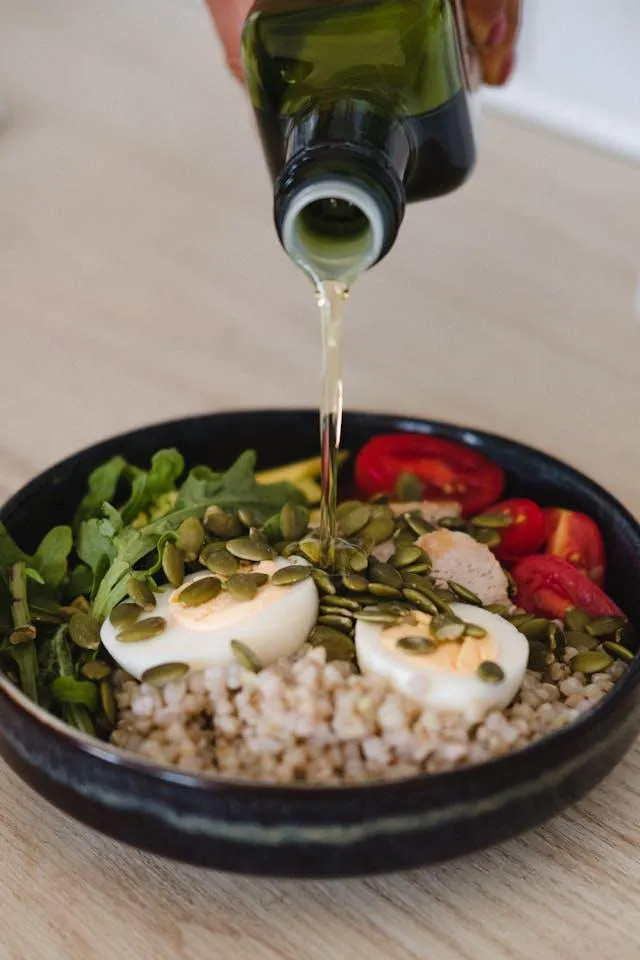
Incorporate plant-based proteins like beans, lentils, and tofu into your diet, which are usually rich in nutrients and lower in cancer risk.
Image: Pexels
Shifting habits for a healthier future
Changing your relationship with food doesn’t mean abandoning cherished traditions or giving up meat entirely. Instead, it’s about making informed choices:
1. Moderate your intake: Consider meat as a complement to your meal, not the centrepiece. Fill your plate with vegetables, whole grains and plant-based proteins.
2. Choose safer cooking methods: Boiling, steaming or sautéing meats at lower temperatures can reduce the formation of harmful chemicals.
3. Explore alternatives: Incorporate more plant-based proteins like beans, lentils, tofu and tempeh into your meals. Many of these options are rich in nutrients and lower in cancer risk.
4. Be mindful of labels: Look for minimally processed meats with fewer additives. Avoid products with high levels of nitrates or nitrites.
5. Educate yourself and your family: Share what you’ve learned with loved ones. Awareness is the first step toward healthier habits.