Parents cite social media and screen time as top health concerns for kids in 2025
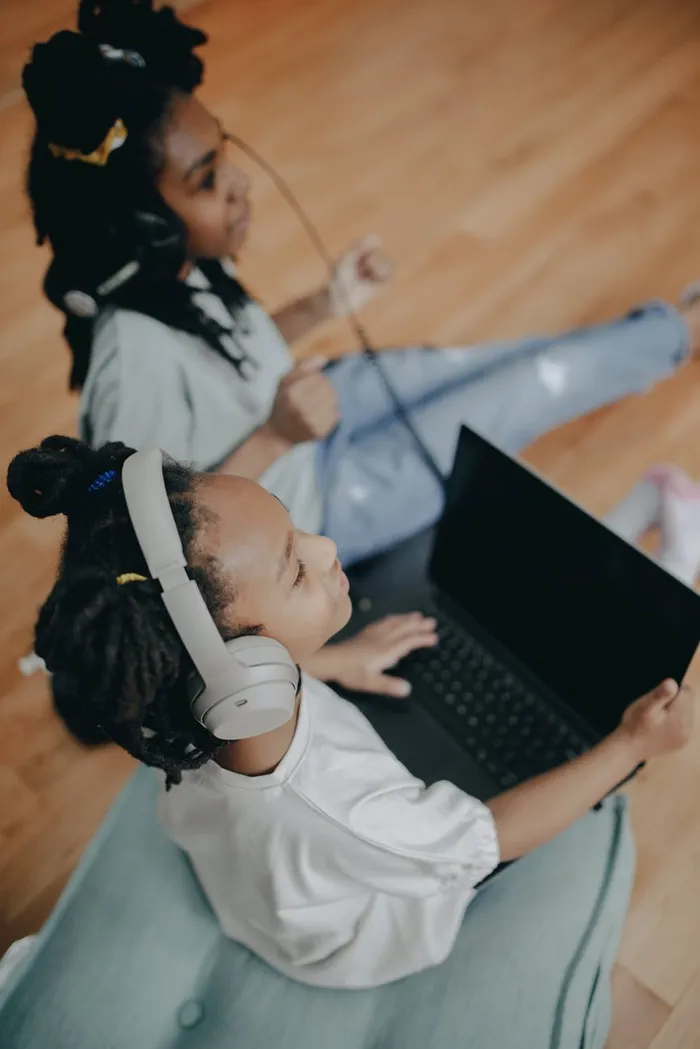
Make your children and yourselves digitally safe.
Image: Pexels
Parenting in 2025 sometimes felt like standing in quicksand. No matter how hard we pushed forward, technology’s relentless grip on our children pulled us back.
As a mother, I’ve watched our family dinners interrupted by the siren call of TikTok notifications, quiet evenings replaced by endless scrolling, and the glow of screens spilling into my kids’ bedrooms at night.
And I know I’m not alone.

Discover expert strategies and insights to reclaim childhood joy beyond the digital confines, and learn how to safeguard your kids’ well-being amid relentless technology.
Image: Tima Miroshnichenko/pexels
A recent poll by the C.S. Mott Children’s Hospital found that 83% of parents believe mental health among children and teens is declining, with screen time and social media topping the list of concerns.
These findings aren’t just numbers; they’re a reflection of the gnawing guilt, worry and helplessness that so many of us feel.
Technology isn’t going anywhere. But as parents, we must ask: how do we protect our kids from a world designed to keep them hooked?
The hidden costs of screen time
Let’s be honest, screens are everywhere. They’re our babysitters, tutors, and, sometimes, our peacekeepers. But the very tools that promise connection and education are also linked to an alarming rise in mental health issues among kids.
According to the American College of Pediatricians, excessive screen exposure is associated with lower academic performance, sleep disturbances, obesity, attention deficits, and even depression. It’s haunting to think that something as seemingly harmless as a tablet can disrupt a child’s cognitive and emotional growth.
A 2019 report by Common Sense Media revealed that kids aged 8 to 12 spend nearly five hours a day on screens, while teens clock an average of 7.5 hours daily, and that’s not even counting time spent on schoolwork.
This shift has also driven a surge in online video consumption, with children now spending up to an hour each day watching platforms like YouTube.
The result? Less outdoor play, fewer face-to-face interactions, and a worrying dependence on technology for entertainment, self-worth and connection.

While the situation may seem dire, there are tangible strategies parents can adopt to reclaim childhood from the clutches of screens:
Image: Karola G/pexels
How social media shapes the young mind
Social media isn’t just a time-sink; it’s a breeding ground for comparison, anxiety, and self-doubt. Studies show that platforms like Instagram and Snapchat, which thrive on likes and curated perfection, often lead kids to measure their worth by unrealistic standards.
Jonathan Haidt, author of The Anxious Generation, warns that these apps are designed to keep kids scrolling for hours, fueling addiction-like behaviours.
Haidt’s research also highlights a chilling trend: the younger a child gets their first smartphone, the worse their mental health outcomes tend to be.
A global study by Sapien Labs found that mental well-being improves the older a person is when they first receive a smartphone. This reinforces what many experts advocate: no smartphones before high school and no social media before age 16.
Practical steps for parents
As overwhelming as this all sounds, there are ways to reclaim childhood from the clutches of screens. Here’s what experts suggest:
1. Delay smartphones
Haidt and psychologist Jean Twenge, author of 10 Rules for Raising Kids in a High-Tech World, both recommend holding off on giving kids smartphones until high school. Younger children are especially vulnerable to the addictive designs of apps and the emotional toll of social media.
2. Ban screens from bedrooms
This one is non-negotiable in my house and for good reason. Devices in the bedroom disrupt sleep, whether kids are up late scrolling or being woken by notifications.
Sleep deprivation is a risk factor for everything from depression to weakened immunity, Twenge notes. A simple rule, no screens after bedtime, can make a world of difference.
3. Encourage free play
Remember the days when kids played tag until the streetlights came on? Those days aren’t gone; they just need a little push.
Haidt recommends “free play Fridays,” where kids leave their screens behind and spend time outdoors with friends. It’s a chance for them to rediscover the joy of climbing trees, kicking a ball, or simply laughing together.
This isn’t a battle we can fight alone. Communities can take steps to create screen-free zones or host events that encourage outdoor play and connection. Schools can educate kids about the risks of social media, and policymakers can push for stricter regulations on platforms that target young users.
But most importantly, we need to start conversations. Talk to your kids about the impact of screens on their mental health. Set boundaries not as punishment, but as a way to protect their well-being. And remind them often that their value doesn’t come from a like button.
Parenting in a digital age is hard. It’s messy. And it often feels like we’re swimming against a tide of endless notifications and autoplay videos. But we have the power to change the narrative.
We can teach our kids that life exists beyond the screen. That joy can be found in the rustle of leaves, the warmth of a friend’s laughter, or the pages of a book. That their worth isn’t defined by an algorithm, but by the kindness they show and the dreams they chase.