Dry drowning explained: Symptoms, prevention, and what to watch for
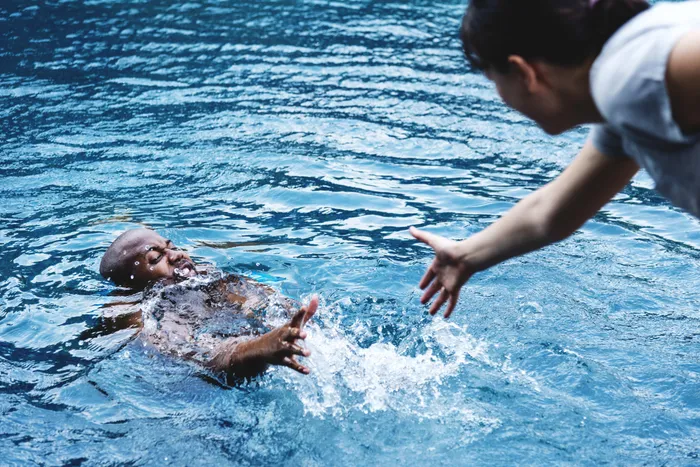
Children can develop serious breathing problems hours after inhaling water during swimming or bathing, health experts warn, urging parents to watch for delayed symptoms and seek medical help immediately.
Image: Supplied
As families spend more time at pools, beaches and holiday destinations, health experts are urging parents to be aware of a rare but potentially serious risk sometimes referred to as “dry drowning”.
While the term is widely used, medical professionals stress that it is not a formal diagnosis. It is commonly used to describe breathing problems that develop after a child inhales a small amount of water during swimming or bathing. Although uncommon, these complications can be life-threatening if not recognised and treated early.
The phrase is often used to describe two different post-submersion conditions. In so-called dry drowning, water does not enter the lungs. Instead, inhaling water triggers a reflex spasm of the vocal cords, known as laryngospasm, which temporarily closes the airway and makes breathing difficult. Secondary or delayed drowning refers to cases where a small amount of water reaches the lungs, irritating lung tissue and causing inflammation or fluid build-up, known as pulmonary oedema, which interferes with oxygen exchange. Both can develop within minutes or several hours after a water incident and require urgent medical assessment.
Children are particularly at risk because they can easily inhale or swallow water while playing, splashing or briefly submerging. According to the World Health Organization, drowning remains one of the leading causes of injury-related death among children worldwide, and even short, non-fatal incidents can sometimes have delayed complications.
Situations that may precede symptoms include being dunked underwater, jumping into a pool and swallowing water, briefly struggling to stay afloat, or coughing and choking after inhaling water during a bath or shower.
Symptoms usually appear within one to 24 hours after leaving the water. Parents and caregivers should seek medical help immediately if a child develops persistent coughing or choking, shortness of breath or laboured and noisy breathing, unusual fatigue or extreme sleepiness, chest pain or tightness, pale or bluish lips or fingertips, irritability or confusion, or vomiting. Health professionals emphasise that a child who appears fine immediately after swimming should still be monitored closely if water was inhaled.
Experts say prevention remains the most effective safeguard. Children should be supervised at all times near water, with caregivers staying within arm’s reach of young children. Water safety, including swimming lessons, should be introduced when children are developmentally ready. Approved life jackets should be used in open water rather than inflatable toys.
Coughing after swimming or bathing should never be ignored, and standing water in buckets, baths or paddling pools should be emptied immediately. Learning CPR can also be lifesaving while waiting for emergency services.
Post-submersion breathing complications are rare, but they can occur hours after a seemingly harmless swim or bath. Awareness of the warning signs, vigilant supervision and prompt medical attention can make a critical difference. If a child experiences breathing difficulties after being in the water, parents are advised not to wait and to seek medical care without delay.
Get your news on the go, click here to join the Cape Argus News WhatsApp channel.
Cape Argus