Bruce Willis's family to donate his brain for frontotemporal dementia research after his passing
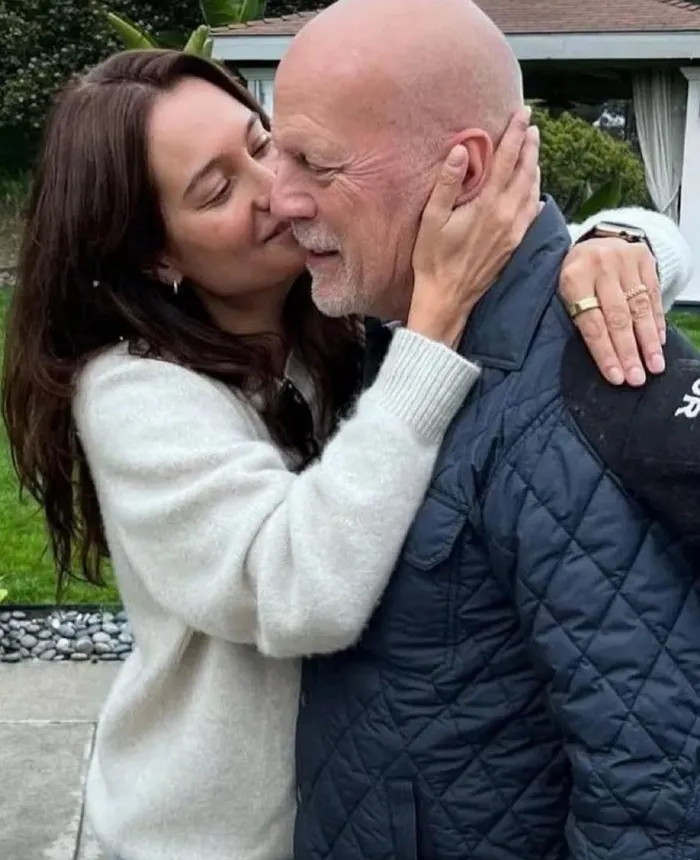
Emma Heming revealed that her husband, Hollywood icon Bruce Willis, now lives in a separate home because of his dementia diagnosis
Image: Instagram
Bruce Willis is known for his big personality, action roles, comedic talent and lasting presence in Hollywood. Away from the spotlight, though, his family is facing a personal journey that goes far beyond his film career.
In an act of profound love and purpose, the family has decided to donate Bruce’s brain to scientific research after his passing. This decision, while heart-wrenching, reflects a commitment to raising awareness and advancing our understanding of frontotemporal dementia (FTD), a condition that has reshaped their lives forever.
Bruce, now 70, was diagnosed with frontotemporal dementia in early 2023. Before that, he was diagnosed with aphasia in March 2022, which led him to retire from acting.
FTD is a rare brain disorder that affects the frontal and temporal lobes, causing gradual problems with memory, thinking, communication and behaviour.
Bruce’s symptoms align with Primary Progressive Aphasia (PPA), a type of FTD that primarily impacts language, making speech and comprehension difficult and gradually affecting other cognitive abilities.
According to online reports, Emma Heming-Willis, Bruce’s wife, the diagnosis marked an immediate and life-altering shift in priorities: Planning for the hardest moments helps us stay present for the meaningful ones.
Through tears and determination, Emma remains a pillar of strength, gently guiding their daughters, 13-year-old Mabel and 11-year-old Evelyn, through the maze of their father’s illness.
The decision to donate Bruce’s brain was not made lightly. “This is emotionally difficult but scientifically necessary,” Emma explained.
By contributing to research, the Willis family hopes to help doctors and scientists uncover the mysteries of FTD, its causes, progression and potential treatments.
Rumer Willis, Bruce’s eldest daughter, spoke candidly about her father’s condition on Instagram. She emphasised the nuanced reality of living with FTD: “Anybody with FTD is not doing great. But he’s doing OK in terms of someone dealing with it, you know?”
Rumer’s words reveal the tightrope the family walks daily, balancing gratitude for the time they still have with the emotional weight of watching someone they love fade in ways that feel both gradual and sudden.
She added poignantly, “Whether he recognises me or not, he can feel the love I’ve given him, and I can feel it back.” It’s a reminder of the unbreakable bond that exists beyond words, beyond memory, rooted in the essence of human connection.
For families like the Willis clan, brain donation is a deeply personal choice, but it holds immense scientific value. According to researchers, studying the brains of individuals with FTD can reveal crucial insights into the disease.
By examining abnormal proteins, genetic mutations, and structural changes, scientists can better understand how the disease develops and, potentially, how to treat it.
Dr Bruce Miller, director of the UCSF Memory and Aging Center, has long championed the critical role of brain donation in understanding neurodegenerative diseases. Brain donation allows us to see what’s happening at the cellular level, which is critical for developing therapies. Families like the Willis family are paving the way for progress.
FTD currently has no cure, and treatments are limited to managing symptoms. This makes research efforts like the Willis family’s decision even more urgent.
Five key reasons why organ donation to science is a crucial stride for humanity:
- Accelerates medical research: Donated organs provide researchers with vital, high-quality human tissue to study diseases in a realistic environment, which is far more effective than using animal models or cell cultures alone. This research is essential for understanding complex conditions like cancer, Alzheimer's, and Parkinson's.
- Advances in surgical techniques: Surgeons in training, as well as experienced professionals, use donated organs to practice and refine complex surgical procedures, ensuring that new, life-saving techniques are safe and effective before being performed on live patients.
- Aids in developing novel therapies: The study of donated organs facilitates the development of cutting-edge therapies, including advancements in prosthetics, tissue engineering, and the creation of artificial organs. These innovations can restore function and improve the quality of life for countless individuals.
- Enhances medical education: Donated bodies and organs are invaluable teaching tools for medical students and allied health professionals. Hands-on learning with human anatomy provides an unparalleled educational experience, fostering a deeper understanding that textbook learning cannot replicate.
- Pursuing cures for devastating diseases: Ultimately, this research is driven by the goal of eradicating diseases. By enabling scientists to experiment with new ideas and approaches, organ donation brings society closer to discovering cures and preventing future suffering