The fitness trends we’re ditching in 2025

Discover the fads fading into obscurity, and learn how health priorities are shifting towards more mindful practices. Are you ready for a new approach to fitness?
Image: Savvas Stavrinos /Pexels.
With 2026 on the horizon, we’re not only wrapping up another year but also moving on from fitness trends that no longer work for us.
The annual Fitness Report from PureGym, which analysed global Google search data for nearly 200 trends, reveals fascinating shifts in how we approach health. Some fads, once heralded as revolutionary, are now falling by the wayside. And honestly? It’s about time.
This isn’t just about workouts; it’s about how we live, what we prioritise, and the values that shape our relationship with fitness.
Whether you’re a single parent figuring out what “me time” looks like or someone navigating life’s relentless curveballs, these shifts in fitness culture may just resonate with you on a deeper level.
Let’s unpack what’s changing and why it matters.
The fitness fads we're leaving behind
The 4-2-1 Workout
Status: Officially on its way out.
The 4-2-1 workout, four exercises, two rounds, one minute each, was sold as the holy grail of time-poor fitness. And for a moment, it worked. Until it didn’t.
According to PureGym’s 2026 Fitness Report, interest in the 4-2-1 workout dropped by 87%, the steepest decline of any trend tracked.
Why we’re leaving it behind:
- It prioritised speed over self-awareness.
- Little room for warm-ups, recovery or injury prevention.
- Encouraged rushing through movement instead of feeling it.
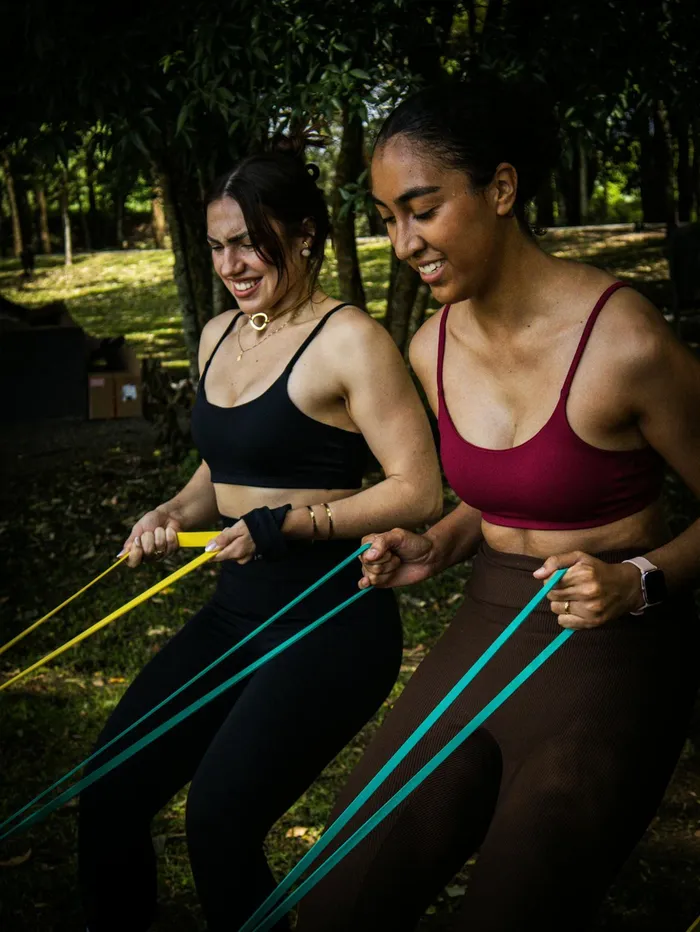
This year, we’re seeing a shift away from super high-intensity workouts towards softer, more flexible fitness.
Image: Pexels
Research published in the Journal of Sports Sciences shows that rushed, high-intensity interval formats increase injury risk when form breaks down, especially among beginners and older adults.
Remote personal training
Status: Fading fast.
Once a pandemic necessity, remote personal training saw an 81% drop in interest. While digital fitness isn’t disappearing, the absence of human presence is becoming a deal breaker.
Why it’s losing relevance:
- Limited real-time form correction.
- Emotional disconnect during workouts.
- Screen fatigue, especially after the work-from-home culture.
Studies consistently show that in-person accountability and social reinforcement improve adherence and motivation.
Cosy cardio and soft hiking
Status: Quietly bowing out.
Let’s be honest, these trends are beautiful. Aesthetic walks. Pilates mats in living rooms. Movement that looked calm and kind.
But cosy cardio (-76%) and soft hiking (-58%) eventually became more about content creation than cardiovascular health.

The emerging trends underway share a unifying theme: they prioritise personalisation, sustainability, and deeper connections to our genuine fitness needs
Image: PNW Production/ Pexels.
Why they fell short:
- Often lacked progressive challenge.
- Created guilt when “gentle” still felt hard.
- Prioritised vibes over measurable benefits.
According to the World Health Organisation, adults need moderate to vigorous physical activity weekly for cardiovascular and mental health benefits, something these trends often fail to deliver on.
Wall Pilates and 28-day challenges
Status: Declining rapidly.
Wall Pilates was the trend of 2024. By 2025, interest dropped 63%, with 28-day challenges falling by 56%.
Why it didn’t it last?
- Oversold results in unrealistic timeframes.
- Encouraged “all-or-nothing” thinking.
- Left people feeling like failures when life interrupted consistency.
Behavioural health research shows that rigid challenges increase dropout rates and negatively impact self-esteem when goals aren’t met.
Weighted vest workouts
Status: Losing momentum.
Weighted vests were marketed as a shortcut to strength and fat loss. Interest dropped by 56%, largely due to injury concerns.
Why people stepped back:
- Increased joint stress without proper conditioning.
- Poor guidance on progression.
- Not suitable for all body types or fitness levels.
Sports medicine experts warn that external loading without biomechanical assessment can increase knee, hip and lower back injuries.
Twerking classes and novelty fitness
Status: Passing phase.
Twerking classes (-56%) weren’t harmful, just unsustainable for most. Novelty workouts often spike interest but fade when the excitement wears off.
Why don’t they stick:
- Limited progression pathways.
- Often disconnected from broader health goals.
- Can feel awkward or inaccessible for many.
Neuro fitness and biohack buzzwords
Status: Oversold, under-understood.
Neuro fitness claimed to boost brainpower through movement, but without clear explanations or rules, people lost trust in it.
Why it declined?
- Lack of consumer understanding.
- Expensive tech with unclear benefits.
- Science lagged behind marketing.
Cognitive health experts stress that sleep, movement, stress management and social connection still outperform most tech-driven solutions.
"No pain, no gain" mentality
The “no pain, no gain” mentality has officially overstayed its welcome. Fitness enthusiasts are embracing mindful, low-impact practices like yoga, Pilates, and mobility training. These methods prioritise longevity, stress relief, and enjoyment over sheer intensity.
Generic, one-size-fits-all programs
Generic, one-size-fits-all programs are relics of the past. With advancements in AI and data analytics, people can now access hyper-personalised training plans tailored to their unique biometrics, recovery needs and goals. Tools like Whoop and Oura Ring are making precision fitness mainstream.
The trends on their way out share a common thread: they lack personalisation, sustainability, or a deeper connection to what we truly need.
Fitness is not about chasing an aesthetic ideal or following the latest fad. Instead, it’s about the intentional approaches that honour mental health, recovery and community.
"This year, we’re seeing a shift away from super high-intensity workouts towards softer, more flexible fitness. These activities put less pressure on us to be perfect and are easier to sustain over time," shares James Gauduchon, group marketing director at PureGym.